
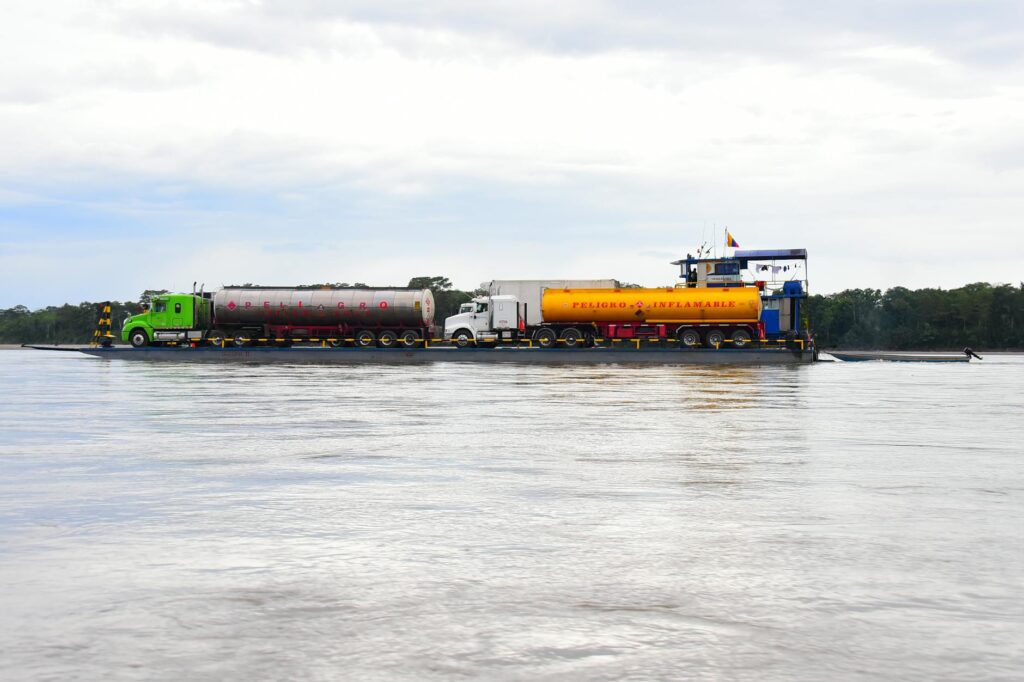

Sri Lanka has publicly thanked India for a critical shipment of 38,000 metric tonnes of fuel that arrived in Colombo last week, easing a severe energy shortfall that threatened both households and industry. The aid, dispatched under Prime Minister Narendra Modi’s foreign policy initiative, was hailed by Sri Lankan MP Harsha De Silva as a “lifeline” that restored confidence in the island nation’s energy security. This article examines the logistics of the delivery, its immediate impact on Sri Lanka’s power grid, the political messages exchanged in Colombo, and the broader strategic implications for South Asian cooperation.
India’s swift response
Within days of Sri Lanka’s request, the Indian government mobilised a state‑run oil corporation to load 38,000 metric tonnes of high‑grade diesel onto the vessel MV Sagar‑Shakti. The ship set sail from Visakhapatnam on 22 March 2026 and reached the Port of Colombo on 27 March 2026, navigating a region that had seen heightened maritime traffic. The rapid turnaround demonstrated India’s logistical capacity and its willingness to use existing commercial fleets for diplomatic aid.
| Parameter | Details |
|---|---|
| Quantity | 38,000 metric tonnes |
| Vessel | MV Sagar‑Shakti |
| Departure | 22 Mar 2026 (Visakhapatnam) |
| Arrival | 27 Mar 2026 (Colombo) |
| Source article | Navbharat Times |
Impact on Sri Lanka’s energy landscape
The infusion of diesel immediately alleviated the acute shortage that had forced power cuts across the capital and key industrial zones. Energy Minister Kathir R. M. confirmed that the shipment would be allocated to:
- Critical hospital generators
- Public transport diesel‑fuelled buses
- Industrial plants in the Hambantota Free Zone
Analysts from the Sri Lanka Economic Monitoring Unit estimate that the aid will prevent an estimated loss of US$45 million in GDP for the current quarter, a figure that would have risen sharply without the fuel.
Political reverberations in Colombo
During a press conference at the Parliament, MP Harsha De Silva praised Prime Minister Modi, saying, “भारत ने मुश्किल से निकाला – India has pulled us out of a dire situation.” The gesture has bolstered the ruling coalition’s narrative of proactive foreign engagement, while opposition parties have called for a more diversified energy procurement strategy to reduce future dependency.
In response, the Indian High Commission released a statement highlighting the “deep‑rooted friendship” between the two nations and reaffirming India’s commitment to “energy stability in the region.”
Regional implications and future cooperation
The episode underscores a shifting balance in South Asian energy diplomacy. While China continues to invest in renewable projects across the island, India’s conventional fuel assistance demonstrates a complementary approach that blends immediate relief with long‑term collaboration. Observers note that the successful delivery could pave the way for joint ventures in offshore drilling, LNG terminals, and renewable‑energy grids, positioning both capitals as co‑architects of a resilient regional power market.
As Sri Lanka works to restore full power supply, the episode serves as a reminder that strategic goodwill, when paired with swift logistical execution, can translate into tangible benefits for millions of citizens.
Conclusion
India’s rapid dispatch of 38,000 metric tonnes of fuel has not only mitigated an urgent energy crisis in Sri Lanka but also reinforced diplomatic ties that could shape the sub‑continent’s energy future. The shipment’s immediate economic impact, the political capital gained by both governments, and the broader strategic message of cooperative resilience collectively illustrate how targeted aid can evolve into a cornerstone of regional partnership.
Image by: Kaushik Mahadevan
https://www.pexels.com/@kaushik21