

Introduction
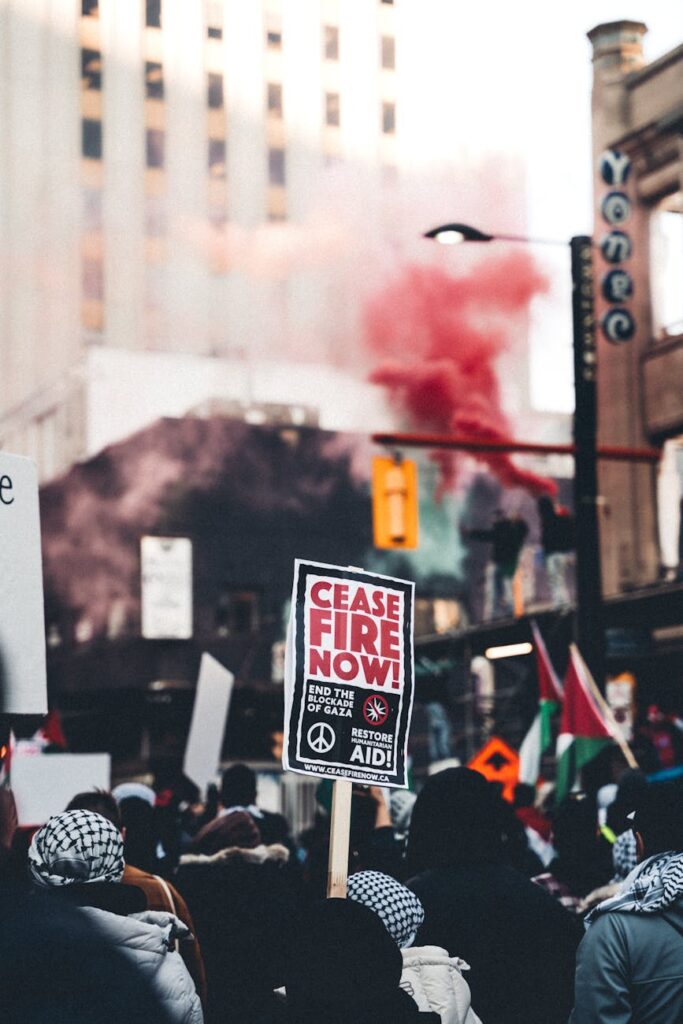
Across major cities in the United States and Europe, millions of citizens have taken to the streets under the banner “No Kings,” demanding an end to the escalating conflict in Iran and condemning the aggressive stance of the current administration. The demonstrations, which began in early March, reflect deep‑seated frustration over what many perceive as a unilateral foreign policy that threatens regional stability. Organizers argue that the United States, under President Donald Trump, is acting like a “king” dictating terms to a volatile region, while allies in Europe echo similar concerns. As the protests swell, they bring together a diverse coalition of students, veterans, human‑rights advocates, and ordinary workers, all united by a single message: peace over power.
Rising tide of dissent
The momentum behind the No Kings movement can be traced to a series of flashpoints: the recent missile exchange between U.S. forces and Iranian-backed militias, the looming threat of a broader regional war, and the administration’s rhetoric that frames diplomatic negotiation as weakness. In cities like New York, London, Berlin, and Paris, protestors have staged sit‑ins, candlelight vigils, and massive marches, often coordinated through encrypted messaging apps to evade surveillance.
Transatlantic coordination
What sets these protests apart from previous anti‑war rallies is the unprecedented level of coordination between American and European activists. Joint planning committees have emerged, leveraging social‑media platforms such as Signal and Telegram to synchronize demonstrations on the same day. This cross‑border collaboration has amplified the message, forcing mainstream media in both continents to allocate prime‑time coverage. The result is a unified front that pressures not only the White House but also European capitals to reevaluate their own diplomatic ties with Tehran.
The symbolism of “no kings”
The phrase “No Kings” functions as a metaphorical rejection of authoritarian decision‑making in international affairs. Protestors display banners depicting chess pieces without a king, emphasizing a collective approach to security rather than a single dominant ruler. This visual rhetoric resonates with younger demographics, who view the slogan as a call for democratic participation in foreign‑policy debates traditionally reserved for elite policymakers.
Policy implications and diplomatic fallout
Washington’s response has been a mix of dismissal and cautious outreach. While senior officials label the protests as “misinformed,” back‑channel diplomats have begun informal talks with European counterparts to gauge the depth of public sentiment. The growing pressure could compel the administration to reconsider planned sanctions, military aid packages, or even a potential ground operation in Iran. In Europe, governments face a delicate balance: supporting allies while addressing domestic unrest that threatens electoral stability.
Looking ahead: potential outcomes
Analysts predict three possible trajectories:
- Escalation: The administration doubles down, leading to heightened military engagement and further public backlash.
- Negotiated de‑escalation: Diplomatic channels reopen, resulting in a cease‑fire agreement and a reduction in protest intensity.
- Stalemate: Mixed signals from Washington and Brussels keep the conflict in a tense limbo, fueling ongoing demonstrations.
Regardless of the path chosen, the No Kings protests have already reshaped the discourse around U.S. foreign policy, proving that mass mobilization can influence high‑level decision‑making.
Protest data snapshot (as of 2026‑03‑29)
| City | Estimated participants | Date |
|---|---|---|
| New York, USA | 350,000 | 2026‑03‑28 |
| London, UK | 210,000 | 2026‑03‑28 |
| Berlin, Germany | 180,000 | 2026‑03‑28 |
| Paris, France | 240,000 | 2026‑03‑28 |
Conclusion
The No Kings protests represent a watershed moment in transatlantic activism, merging grassroots anger with sophisticated digital coordination. By challenging the notion of unilateral power and demanding a diplomatic pivot, demonstrators have forced policymakers in Washington and Brussels to confront a public that will not remain silent. Whether the movement will translate into concrete policy shifts remains uncertain, but its ability to galvanize millions across continents underscores a growing appetite for a more collaborative, less militarized approach to global security.
Image by: Mohammed Abubakr
https://www.pexels.com/@mohammed-abubakr-201794886