

New Delhi: A challenge has reached the Supreme Court over sweeping transport and movement restrictions announced in Delhi ahead of protests planned for October 10 against Chief Election Commissioner Gyanesh Kumar. Lawyers told the court that train cancellations, restrictions at Delhi Metro stations and other measures could impose a disproportionate burden on ordinary commuters who are not part of the demonstration.
The matter was mentioned before a bench headed by Chief Justice of India Surya Kant, with Justices Joymalya Bagchi and V. Mohana. Senior Advocate Kapil Sibal sought an urgent hearing, while other lawyers, including Abhishek Manu Singhvi, Gopal Sankaranarayanan and Vrinda Grover, raised concerns about the scale of the restrictions.
The transport restrictions are at the centre of the dispute
Indian Railways has cancelled Mail and Express trains scheduled to arrive at New Delhi and Hazrat Nizamuddin railway stations between 4 am and 2 pm on October 10. Railway authorities have cited anticipated traffic congestion and concerns that passengers could face difficulty finding onward transport from the stations.
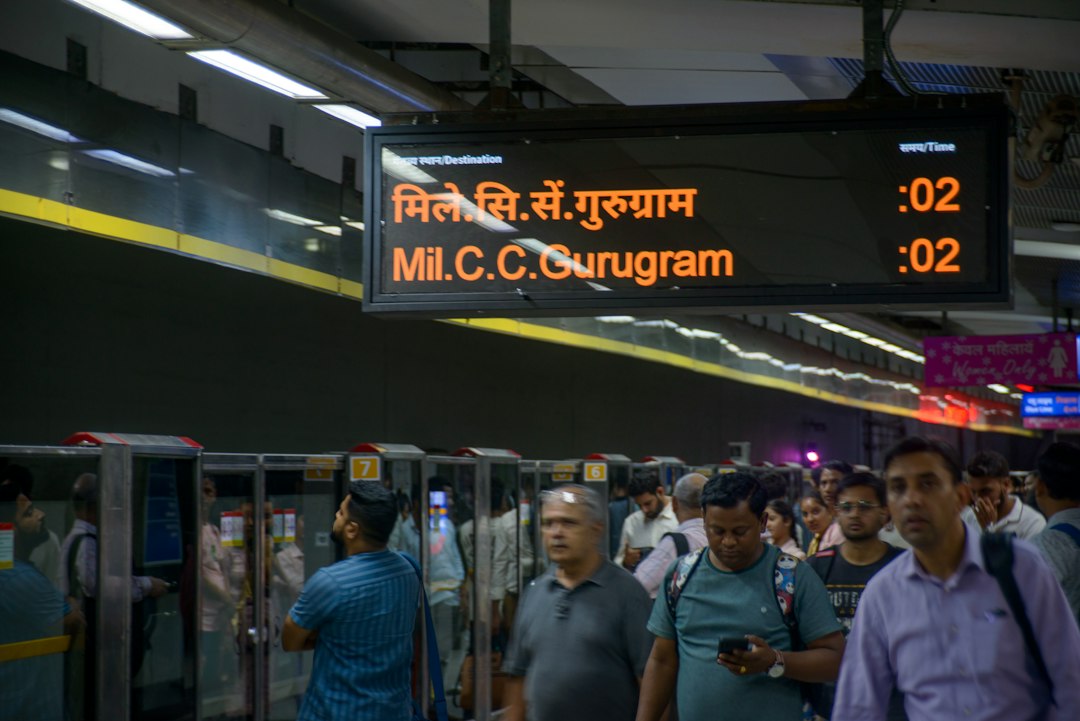
Separately, the Delhi Metro Rail Corporation announced that entry and exit gates at 57 stations would be closed from 9 pm on October 9 and through October 10, citing security concerns. Interchange facilities were to remain available at the affected stations, except at New Delhi station. The affected network includes major stations such as Rajiv Chowk, Central Secretariat, Patel Chowk, Kashmere Gate and ITO.
Supreme Court asks whether the response is proportionate
During the proceedings, the bench questioned why the organisers had not challenged the Delhi Police’s refusal to permit the proposed protest. Justice Bagchi observed that a demonstration without the required permission would not be in accordance with law, while also stressing the need to understand the size and nature of the proposed gathering before deciding whether restrictions were justified.
The court also expressed concern about the impact of a broad shutdown on residents. In later proceedings, the Supreme Court asked the government to reconsider measures affecting Metro access and roads, emphasising that security arrangements should not create unnecessary hardship for commuters.
The court’s intervention does not amount to a final ruling that the restrictions are unlawful. The immediate question is whether authorities can address a potential security problem through targeted measures rather than restrictions that affect large numbers of people across the capital.
Why the case matters beyond Saturday’s protest
The dispute puts two competing public interests directly before the court. Authorities have a responsibility to prevent violence, unlawful gatherings and disruption around sensitive government locations. At the same time, Delhi’s transport network is essential infrastructure used daily by people travelling for work, education, healthcare and other routine needs.
The legal challenge therefore raises a broader question about proportionality. Security agencies can impose restrictions when there is a credible threat, but the measures still have to be connected to that threat and balanced against the rights and practical needs of people who are not participating in the protest.
What Delhi commuters should watch
For passengers travelling on October 10, the immediate issue is that transport plans may change depending on the security situation. People using New Delhi or Hazrat Nizamuddin stations should check their individual train status before travelling, while Metro users should check the latest DMRC service advisories for station-level restrictions.
The Supreme Court’s intervention could lead authorities to modify some of the measures, but commuters should not assume that every restriction has been withdrawn unless an official update confirms it.
The case also remains important for a larger reason. How Delhi handles the October 10 protest could shape future debates over how governments balance public order with freedom of movement and the right to peaceful assembly when demonstrations are expected to draw large crowds.
RumorRush will update this report as the Supreme Court and Delhi authorities issue further directions.
Sources: LiveLaw, The Indian Express, Hindustan Times, Times of India.


Pingback: Dhruv Rathee Detained in Gurugram Ahead of Delhi Protest Against CEC Gyanesh Kumar - RumorRush
Pingback: Delhi CJP Protest: Over 1,000 Detained as Metro and Rail Services Face Curbs - RumorRush
Pingback: CJP Leaders Abhijeet Dipke, Saurav Das and Ashutosh Ranka Detained at Delhi Airport - RumorRush