
In a dramatic turn of events, a Pakistan International Airlines (PIA) aircraft was forced to execute an emergency landing in Saudi Arabia after a mid‑air technical alert threatened the safety of more than 150 passengers and crew. The incident, which occurred on a routine flight from Islamabad to Jeddah, quickly drew the attention of aviation regulators, airline officials, and travelers across the region. Understanding how the crew managed the crisis, the role of Saudi authorities, and the broader implications for airline safety standards forms the core of this report.
Technical alert triggers emergency landing
While cruising at approximately 30,000 feet, the aircraft’s onboard monitoring system detected a critical fault in the navigation suite. The alert, described by the flight deck as a “mid‑air technical anomaly,” prompted the captain to declare an emergency and seek the nearest suitable airport. Saudi Arabian air traffic control cleared the flight for an immediate diversion to King Abdulaziz International Airport in Jeddah.
Crew response and passenger safety
The flight crew followed standard emergency protocols, informing passengers of the situation and securing the cabin. All passengers were instructed to adopt the brace position while the pilots prepared for a rapid descent. The aircraft landed safely on runway 15R, and emergency services were on standby. No injuries were reported, and passengers were escorted to the terminal for medical checks and assistance.
Saudi authorities’ coordination
Saudi Arabia’s General Authority of Civil Aviation (GACA) coordinated closely with PIA’s operations center, providing priority landing clearance and ground support. GACA’s spokesperson confirmed that the airport’s emergency response team performed a thorough inspection of the aircraft before allowing it to taxi to the gate.
Implications for PIA and regional aviation
The incident raises questions about the maintenance standards of PIA’s fleet, which has faced scrutiny in recent years. Aviation analysts suggest that the airline must accelerate its fleet‑modernisation program and enhance real‑time monitoring to prevent similar events. The episode also underscores the importance of cross‑border coordination, as Saudi authorities demonstrated swift, effective response that likely prevented a more serious outcome.
Flight details at a glance
| Parameter | Information |
|---|---|
| Airline | Pakistan International Airlines (PIA) |
| Flight number | PK‑657 |
| Departure | Islamabad (ISB) – 07:15 GMT |
| Destination | Jeddah (JED) – 12:45 GMT |
| Passengers | 146 (including 12 infants) |
| Crew | 12 |
| Aircraft type | Airbus A320‑200 |
| Time of alert | 09:42 GMT |
| Landing time | 09:58 GMT |
Conclusion
The successful emergency landing of PIA’s PK‑657 flight highlights both the resilience of modern aviation safety protocols and the critical role of international cooperation in crisis management. While the immediate threat was neutralised without injury, the incident serves as a stark reminder for airlines to continuously invest in aircraft health monitoring and maintenance. For passengers and regulators alike, the episode reinforces confidence that, even when technical failures arise, well‑trained crews and responsive authorities can safeguard lives.
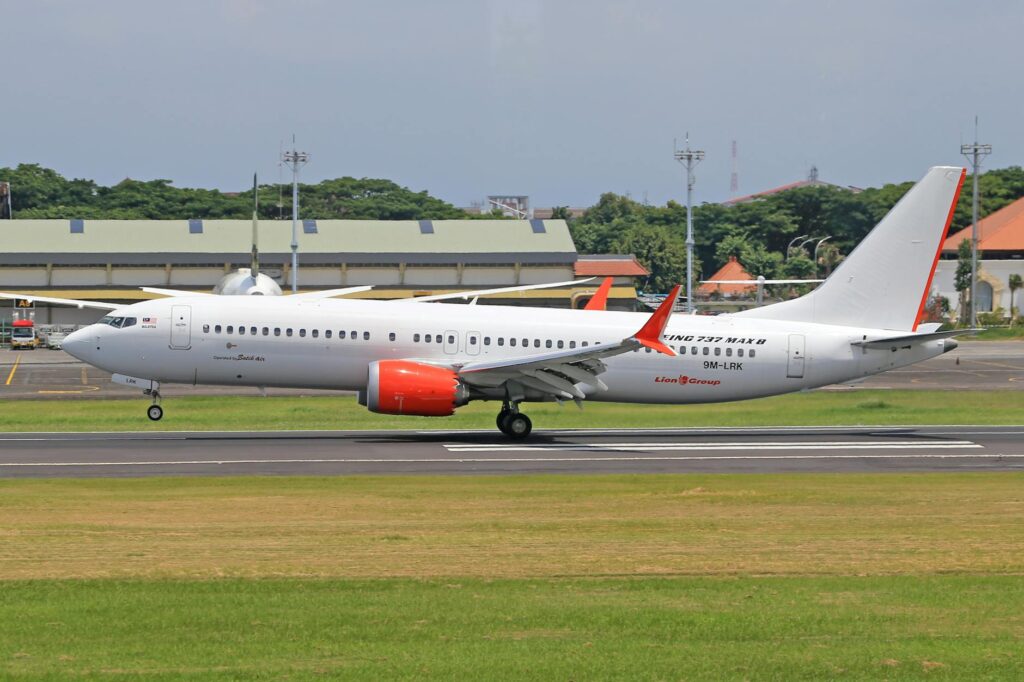
Image by: Jeffry Surianto
https://www.pexels.com/@andromeda99