
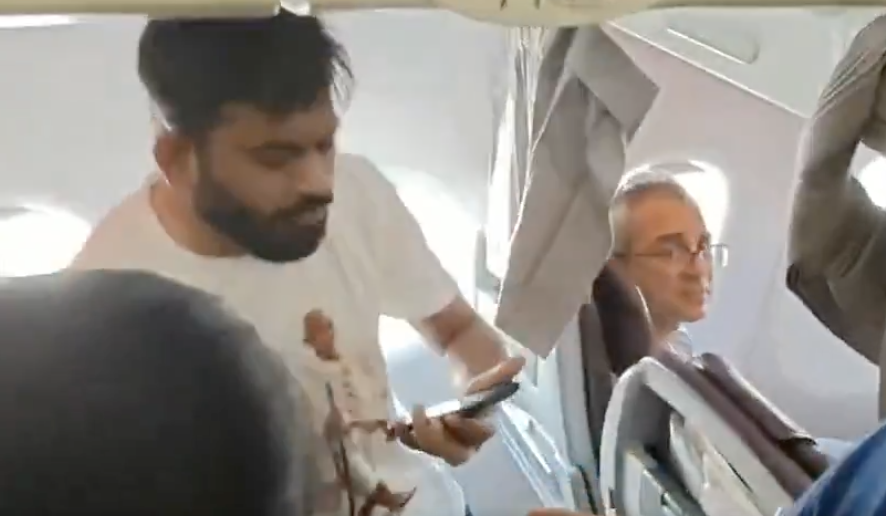

Delhi Police detained Cockroach Janta Party (CJP) founder Abhijeet Dipke and party leaders Saurav Das and Ashutosh Ranka at Indira Gandhi International Airport on Saturday, October 10, as they arrived in the capital for the group’s planned protest at Jantar Mantar against Chief Election Commissioner Gyanesh Kumar.
The Times of India reported that the three were detained at the airport ahead of the demonstration. NDTV’s account said police entered the aircraft after it landed, while Dipke was livestreaming the incident on Instagram. The reports describe the action as a detention; they do not, by themselves, establish that the three were formally arrested or charged with an offence.
What happened aboard the flight?
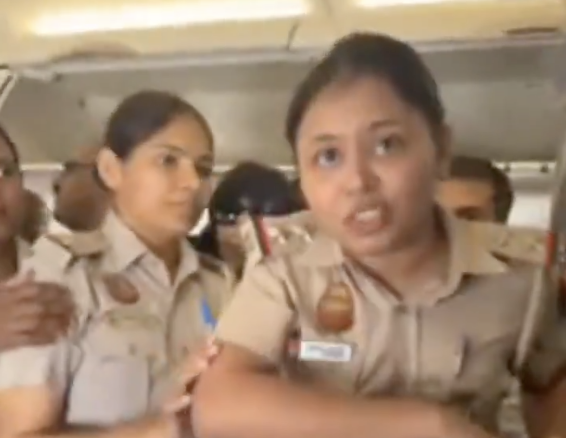
According to NDTV, a team of Delhi Police personnel boarded the plane carrying the CJP leaders. Video shared by Dipke showed a confrontation as the leaders questioned why officers had not waited for passengers to disembark. The Times of India separately reported that Dipke had said he was prepared to face arrest while travelling to Delhi for the proposed protest.
The video and news reports offer a view of the encounter, but do not answer every question about the legal basis, documentation or duration of the detention. At the time of publication, the reports reviewed for this story did not establish whether the three leaders had been released, taken to a specific police facility, or formally arrested under another provision. Those details matter: preventive detention and a formal arrest are not identical legal processes.
Dipke accused Prime Minister Narendra Modi and Union Home Minister Amit Shah of using the security restrictions to stop people from joining the demonstration, according to The Times of India. These are his political allegations, not established findings. The police’s broader position has been that the protest had not received permission and that extensive measures were needed to manage public order.
Why were CJP leaders travelling to Delhi?
The leaders were travelling to take part in the CJP’s proposed Jantar Mantar protest demanding the resignation of Chief Election Commissioner Gyanesh Kumar. The campaign centres on objections to the Election Commission’s Special Intensive Revision (SIR) of electoral rolls and allegations that the exercise could improperly remove eligible voters. The Election Commission has rejected allegations of wrongdoing; questions about specific deletions need to be assessed against verifiable roll data, published procedures and the remedies available to affected voters.
Authorities had denied permission for the planned gathering and prepared an extensive security operation across Delhi. The Indian Express reported on a policing plan involving 37 blocking points and designated detention facilities in the city’s police districts. Security restrictions included barricades, vehicle checks and changes affecting public transport.
Part of a wider series of detentions
The airport detention came amid reports of other people being stopped or taken into preventive custody as they tried to join the protest. YouTuber Dhruv Rathee was reported detained at his Gurugram residence earlier on Saturday. The Times of India’s live coverage described a large security deployment and said police had detained people ahead of the proposed gathering. Reported detention totals vary by outlet, time and geographic scope, so figures should not be added together or presented as a single confirmed count without a common source and timeframe.
The scale of the restrictions has also prompted questions about whether measures intended to maintain public order are proportionate to the risks posed by a demonstration. Delhi Police have cited the lack of permission and security concerns; protest organisers say the action is aimed at preventing people from assembling. A full assessment depends on the orders issued, the grounds recorded for individual detentions, and whether people were given clear information about their legal status and available remedies.
What remains unclear
The immediate questions are whether Dipke, Das and Ranka remain in custody, what legal grounds were recorded for each person, and whether any formal arrest or case followed. Official confirmation of their status and any written detention records would help clarify the position beyond the video and initial news reports.
For the broader context, read our earlier coverage of Dhruv Rathee’s reported detention ahead of the CJP protest and our report on the Supreme Court’s scrutiny of Delhi Metro and railway restrictions. We will update this report if reliable new information confirms the leaders’ custody status or any subsequent legal action.
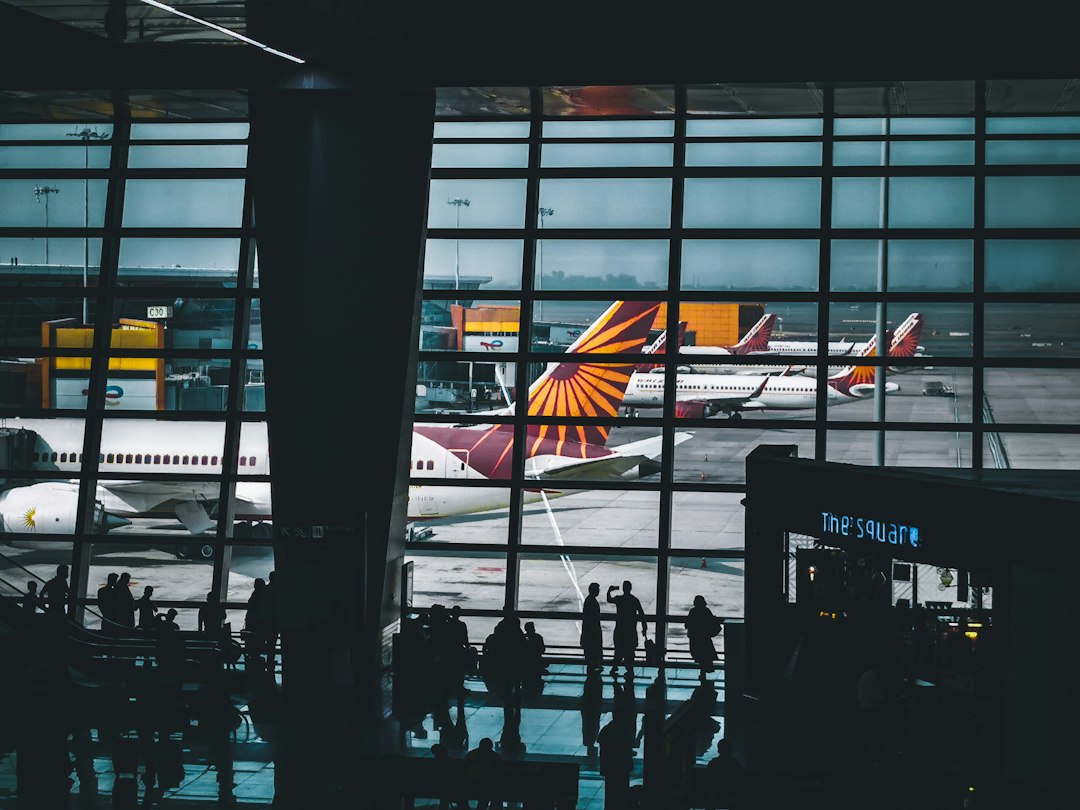
Image note: Both photographs are representative stock images, not documentary images of the reported detention or the CJP protest.

