

Delhi faced sweeping security restrictions on Saturday, October 10, as the Cockroach Janta Party (CJP) pressed ahead with a planned Jantar Mantar demonstration demanding the resignation of Chief Election Commissioner Gyanesh Kumar. The protest centres on allegations of irregularities in the Election Commission’s Special Intensive Revision (SIR) of electoral rolls, claims the Commission has rejected.
Live updates from Hindustan Times, alongside reporting by Reuters and The Associated Press, describe a major police deployment, preventive detentions and disruption to public transport. The scale of detentions reported by different outlets varies, in part because they refer to different locations and times.
Detention figures differ across reports
Hindustan Times reported that Delhi Police had detained more than 1,000 people across the capital by Saturday morning, citing police. Reuters, citing a police source, reported about 200 detentions in the central protest area at the time of its report. These figures should not be combined: they are separate snapshots with different geographic coverage, and a final consolidated total was not available in the reporting reviewed for this article.
YouTuber Dhruv Rathee was also detained at his residence in Gurugram ahead of the demonstration, according to multiple news organisations. The CJP condemned his detention and demanded his release. CJP legal cell head Ratna Singh also said she and other lawyers faced police action, according to reports. The individual circumstances and legal status of those detained were not fully established in the available updates.
Metro, rail and mobile internet restrictions disrupt the capital
The Delhi Metro Rail Corporation revised its initial plan to restrict access at 57 stations, with entry and exit gates at 45 stations set to be closed for the period announced by authorities. Interchange arrangements were reported to remain available at affected stations except New Delhi Metro station. Commuters were advised to check service updates before travelling.
Railway services were also affected. Reports said more than 250 train services linked to New Delhi and Hazrat Nizamuddin were cancelled or rescheduled around the protest window. Separately, mobile internet services were suspended within a four-kilometre radius of the Janpath-Kartavya Path crossing for 24 hours, according to reports on the order. The restrictions were intended by authorities to manage security and movement, but they also affected residents and travellers who were not participating in the demonstration.
Security arrangements extended to road checkpoints, barricades and police personnel at key entry points. Hindustan Times reported that authorities had identified stadiums and other sports facilities as possible temporary detention locations if needed. Police said the protest had not been authorised, citing procedural requirements, previous alleged violations of protest conditions and public-order concerns.
Why the CJP is demanding the election chief’s resignation
The CJP, led by Abhijeet Dipke, says the SIR exercise has removed large numbers of names from electoral rolls and demands accountability from the Election Commission. The organisation has alleged that deletions could affect eligible voters. The Election Commission has rejected allegations of wrongdoing and has said key decisions on the revision were taken by the full Commission.
The figure of roughly 13 crore voter names removed has circulated in the current dispute, but the implications of that number remain contested. Voter-roll revision can include changes associated with deaths, migration, duplicate entries and voters who cannot be verified. The central question is whether the process has been conducted accurately, transparently and with safeguards that allow eligible people to challenge incorrect deletions. Allegations by campaigners should not be treated as proven findings without independently verifiable evidence.
The protest follows demonstrations in other cities, including Bengaluru, and comes amid wider political debate over the integrity of electoral rolls. The CJP has described the gathering as a campaign to “save democracy”; the police have argued that the planned event posed public-order and traffic concerns and had not received permission.
Supreme Court questions blanket restrictions
The security measures have also drawn judicial scrutiny. In a hearing on October 9, the Supreme Court questioned broad restrictions on public transport and told authorities to revisit curbs that could cause disproportionate hardship to commuters. The Court’s comments focused on the need to balance public order with ordinary movement through the city. Read our earlier report on the Supreme Court hearing over Delhi Metro and train restrictions.
What readers should watch next
The key unresolved questions are whether the planned demonstration can proceed under the restrictions, how many people are ultimately detained, and what legal grounds are recorded in individual cases. Further clarity is also needed on the duration and practical reach of transport and internet restrictions, and on any official response to concerns about voter-roll revisions.
For continuing updates, readers can follow Hindustan Times’ live coverage, as well as reporting from Reuters, AP and The Indian Express. This report distinguishes reported events from allegations and will need updating as verified information emerges.
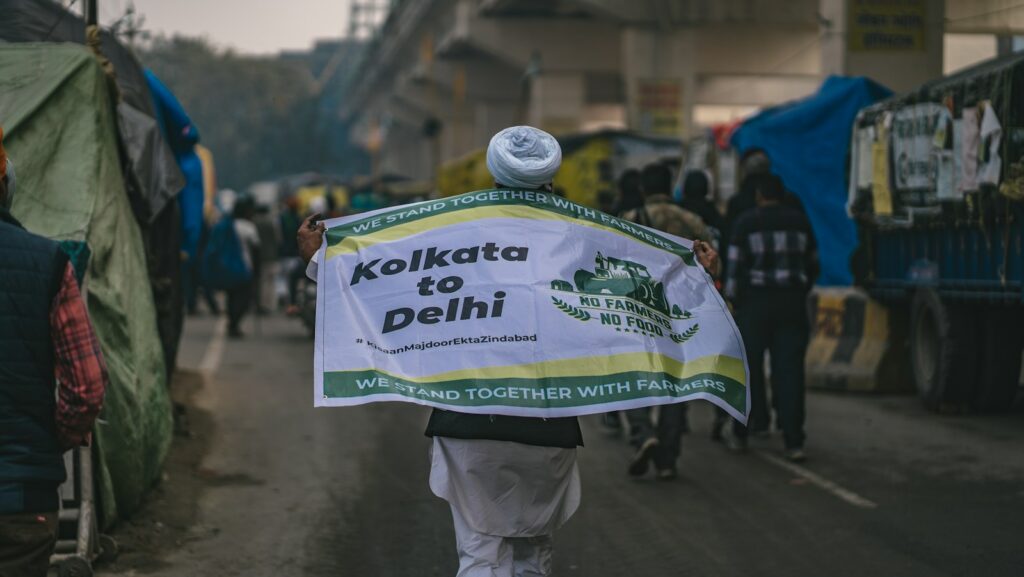
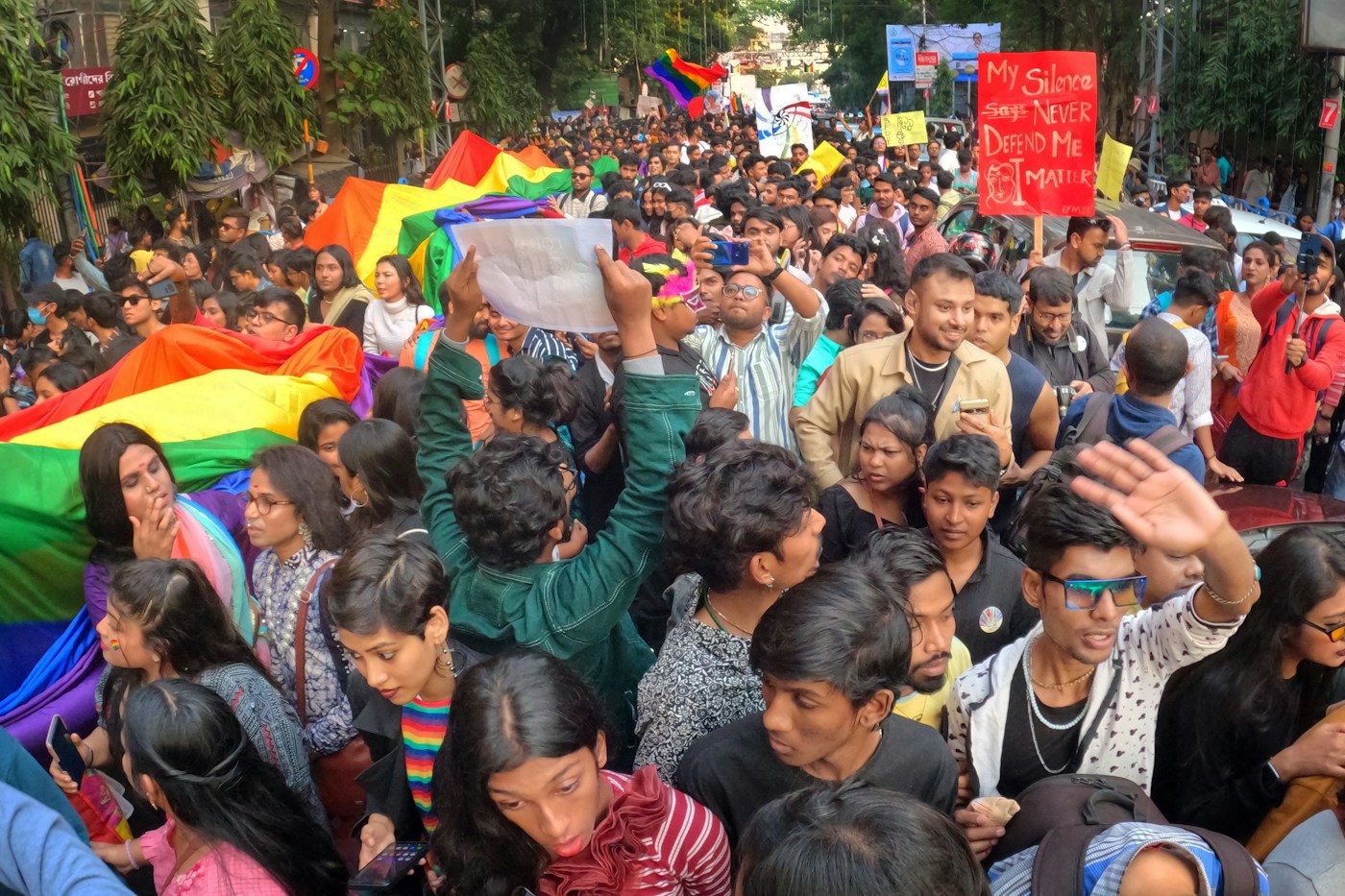
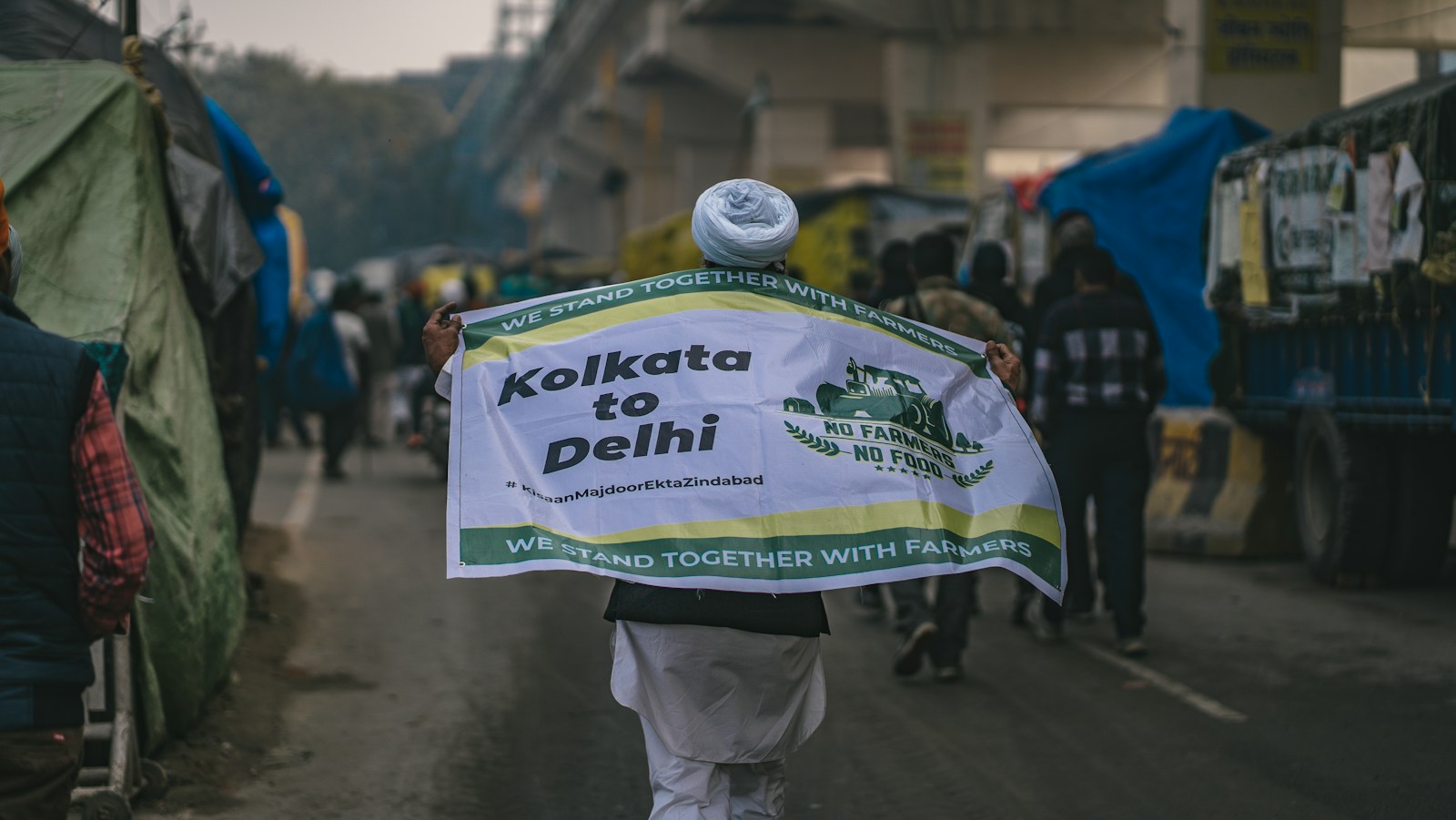
Image note: The photographs used here are representative images and do not depict the actual detention of Dhruv Rathee or the October 10 protest.

