
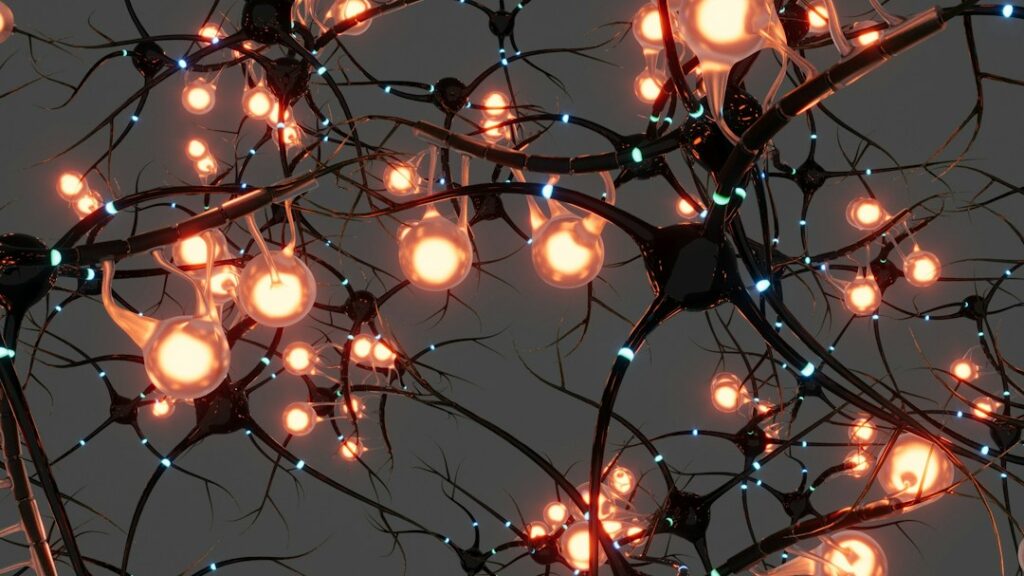

The 2026 Nobel Prize in Physiology or Medicine has been awarded to Karl Deisseroth, Peter Hegemann and Georg Nagel for discoveries that led to optogenetics, a technique that lets researchers control the activity of nerve cells using light.
The Nobel Assembly at Karolinska Institutet announced the award on October 5, recognizing the scientists for discoveries concerning light-gated ion channels and optogenetics. The work has transformed neuroscience by giving researchers a way to activate or silence specific neurons with much greater precision than many earlier methods.
What is optogenetics?
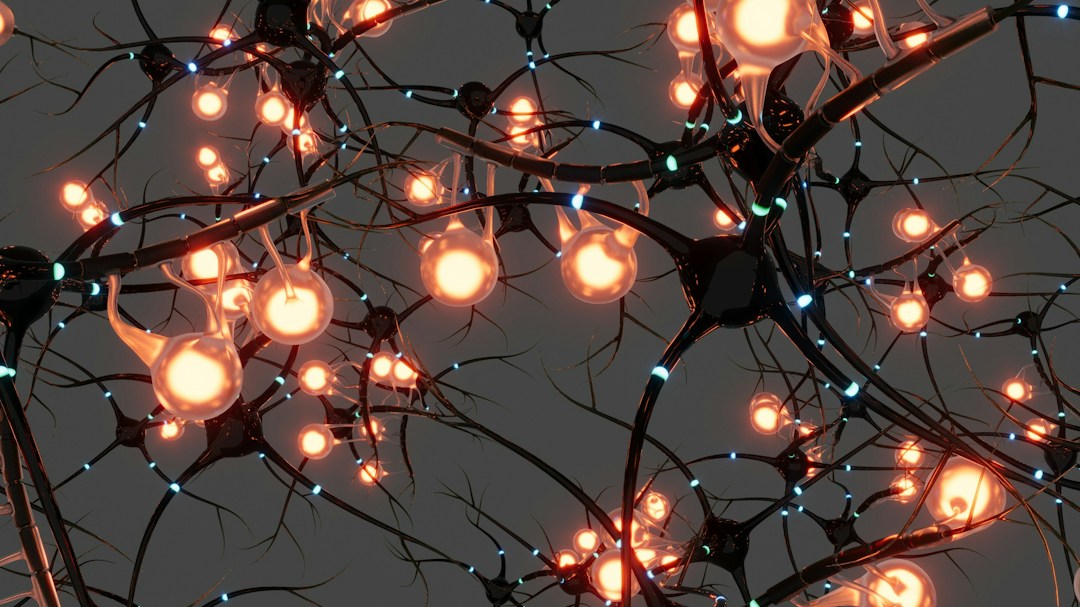
Optogenetics combines genetics and light to control the activity of selected cells. At the centre of the technique are light-sensitive proteins known as channelrhodopsins, which can act as switches for electrical activity in cells.
Peter Hegemann and Georg Nagel’s research helped establish the biological basis for these light-sensitive ion channels. Their work involved studying how single-celled algae respond to light and identifying proteins that could convert light into electrical signals.
Karl Deisseroth and his collaborators later helped turn those discoveries into a powerful neuroscience tool. By introducing light-sensitive proteins into nerve cells and using precisely controlled light, researchers can investigate what happens when particular neural circuits are switched on or off.
Why the discovery matters
Traditional neuroscience often relies on observing correlations between brain activity and behaviour. Optogenetics can provide a more direct way to test cause and effect by manipulating defined groups of neurons while observing the resulting changes.
Researchers have used the approach to study brain circuits involved in movement, sleep, memory, behaviour and neurological disease. It has become an important research method for understanding conditions including epilepsy, Parkinson’s disease, Alzheimer’s disease and schizophrenia.
From algae to neuroscience
One of the striking parts of the story is that the technology grew from research into a microscopic alga. Hegemann investigated how the organism responds rapidly to changes in light. Nagel subsequently helped characterize channelrhodopsin-2, a light-sensitive ion channel.
Research published in the early 2000s showed that these proteins could make other cells responsive to light. Deisseroth’s work then demonstrated how the principle could be used to control nerve cells, helping establish modern optogenetics.
Could optogenetics become a treatment?
Optogenetics is primarily a research technique, but scientists are investigating possible medical applications. Research groups and biotechnology companies are exploring approaches that could use light-sensitive proteins in efforts to restore vision and improve the precision of neural stimulation.
These applications remain experimental. Moving from successful laboratory research to approved treatments requires demonstrating safety, effectiveness and long-term benefits in humans.
The three Nobel laureates
- Karl Deisseroth, an American neuroscientist and professor at Stanford University, helped establish optogenetics as a method for controlling neural activity.
- Peter Hegemann, a German biophysicist at Humboldt University of Berlin, investigated the light-sensing mechanisms of algae and helped uncover channelrhodopsins.
- Georg Nagel, a German neuroscientist at the University of Würzburg, collaborated in the characterization of light-gated ion channels and their ability to generate electrical responses.
The three laureates will share the 2026 Nobel Prize award of 12 million Swedish kronor.
What comes next
The Nobel recognition highlights how a basic biological question about how algae detect light eventually became a technology for investigating the living brain. Researchers are continuing to refine optogenetics and related techniques, with the longer-term goal of understanding neural circuits and developing more precise treatments for neurological and sensory disorders.