

India’s ambition to become a global hub for semiconductor manufacturing has captured headlines, with the government pledging billions of rupees to build fabs, launch the Semiconductor Mission, and lure multinational chipmakers. Yet, the strategy leans heavily on a “manufacturing‑first” model that overlooks critical ecosystem gaps. This article examines the policy’s promises, the structural challenges of talent, supply‑chain and cost, and the broader geopolitical context that could dictate whether India’s chip dream is sustainable or destined for revision.
Manufacturing‑first policy: ambitions and reality
In 2022 the Indian cabinet announced a ₹1.5 trillion fund to set up state‑of‑the‑art fabs. The narrative emphasizes large‑scale production to meet domestic demand for smartphones, automotive electronics, and AI‑driven devices. However, the policy assumes that building factories will automatically generate a thriving supply chain, an assumption that runs counter to the experience of established players such as Taiwan’s TSMC and South Korea’s Samsung, which grew on decades of R&D, design expertise, and a dense network of material suppliers.
Supply‑chain gaps and talent shortage
Semiconductor fabrication requires a seamless flow of ultra‑pure chemicals, advanced lithography equipment, and a cadre of engineers versed in design‑for‑manufacturing. India currently imports more than 95% of these inputs, creating a vulnerable dependency on foreign logistics and export controls. Moreover, the country faces a stark talent deficit: a 2023 NASSCOM report estimates a shortfall of over 200,000 skilled chip engineers. Without a robust pipeline of designers and process specialists, fabs risk operating below capacity, inflating unit costs.
Economic and environmental costs
High‑volume fabs are capital‑intensive, with average setup costs exceeding $10 billion per plant. When combined with the need for continuous power, water, and cooling, the operational expenses can erode the cost advantage India hopes to achieve. A 2024 IEA analysis shows that semiconductor manufacturing contributes up to 2% of a nation’s total electricity consumption, raising concerns about sustainability in a country already grappling with energy deficits. The table below contrasts projected Indian fab costs with those of leading Asian manufacturers.
| Year | Average fab CAPEX (USD bn) | India (projected) | Taiwan (average) | South Korea (average) |
|---|---|---|---|---|
| 2023 | 10.5 | 12.3 | 9.8 | 10.2 |
| 2024 | 10.7 | 12.8 | 10.0 | 10.4 |
| 2025 | 10.9 | 13.2 | 10.2 | 10.6 |
Even with generous subsidies, the cost differential narrows, questioning the long‑term viability of a purely manufacturing‑centric approach.
Global competition and strategic partnerships
While India seeks to attract investors like TSMC and Intel, these firms prioritize regions with mature ecosystems and predictable policy environments. Recent statements from the U.S. Department of Commerce underscore a shift toward “design‑first” collaborations, where Indian firms co‑develop chips rather than merely host production lines. Partnerships that blend design expertise with localized assembly could mitigate many of the challenges highlighted above, but they require a policy pivot away from the current manufacturing‑first mantra.
Conclusion
India’s drive to become a semiconductor powerhouse is commendable, yet the current manufacturing‑first strategy overlooks essential pillars—supply‑chain depth, skilled talent, cost efficiency, and environmental sustainability. Without addressing these gaps, the nation risks building under‑utilised fabs that drain public funds without delivering competitive chips. A more balanced roadmap that nurtures design capabilities, incentivizes domestic material production, and aligns with global partners may offer a sustainable path forward, ensuring that India’s semiconductor ambitions translate into lasting economic and technological gains.
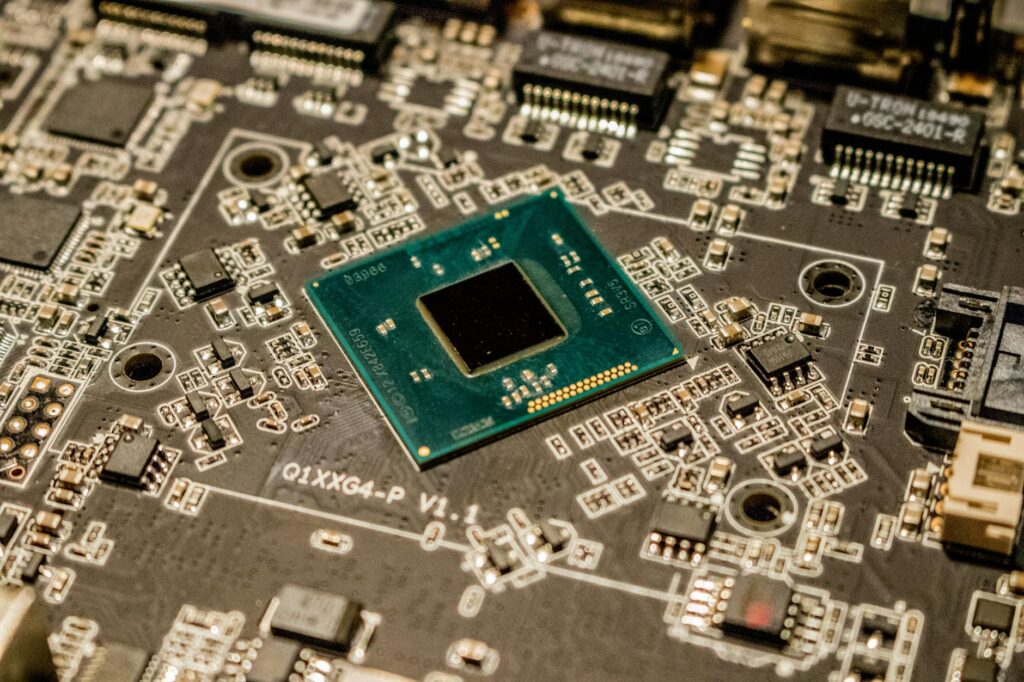
Image by: Jeremy Waterhouse
https://www.pexels.com/@waterhouse