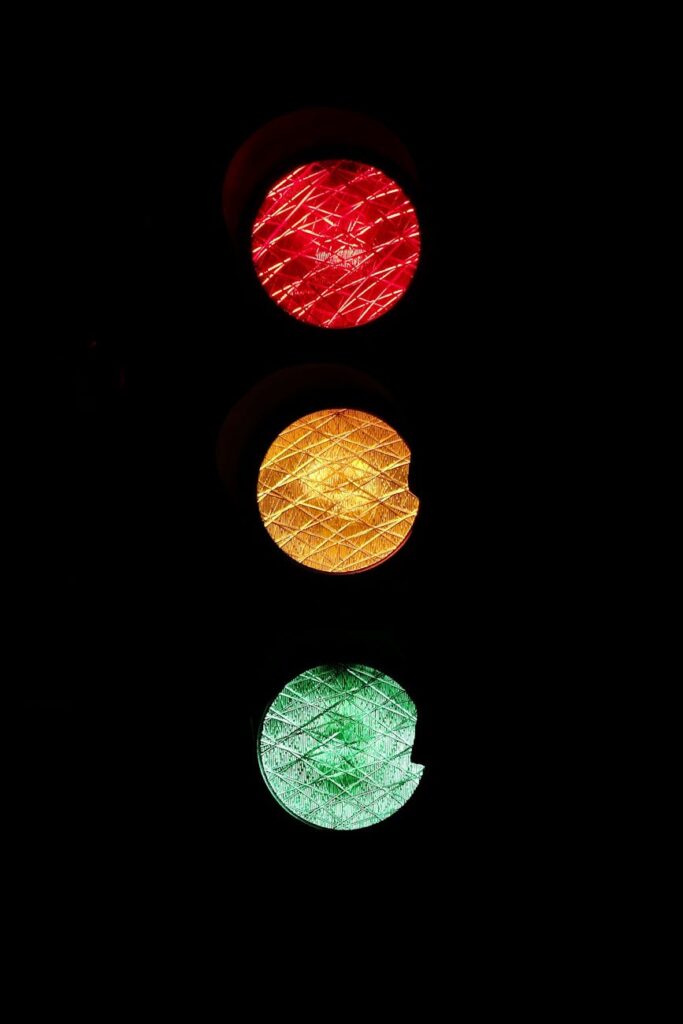

In a move that could reshape the visual language of American roadways, a state legislature is considering adding a white light to the traditional red‑yellow‑green traffic signal palette. The proposal, highlighted in a recent report, aims to use the new color as a supplemental cue for drivers, especially in complex intersections and during low‑visibility conditions. While the idea may sound simple, it raises questions about driver perception, signal standardization, and the logistics of retrofitting millions of intersections. This article explores the origins of the bill, the technical reasoning behind a white signal, expected safety outcomes, and the practical steps required before the first white light can flash on a street corner.
The legislative push
State lawmakers introduced the amendment after a series of traffic‑safety studies indicated that existing three‑color systems sometimes leave drivers uncertain during transitional phases, such as when a green arrow turns yellow. The bill, currently in committee, proposes that a white light be illuminated after the yellow phase to signal a brief “caution‑prepare‑stop” interval. Proponents argue that the extra cue can reduce rear‑end collisions at high‑speed corridors. Opponents caution that adding a new color may confuse drivers accustomed to the long‑standing red‑yellow‑green convention.
Why white? technical and safety rationale
Engineers point to several advantages of a white signal:
- High luminance: White LEDs produce the brightest output, improving visibility in fog, rain, or nighttime conditions.
- Distinct hue: White does not compete with the existing red, yellow, or green spectra, minimizing misinterpretation.
- Compatibility with existing hardware: Modern LED traffic heads can add a white diode without major redesign, keeping costs manageable.
Research from the National Highway Traffic Safety Administration (NHTSA) suggests that a brief white cue can cut reaction times by up to 0.2 seconds, a margin that translates into fewer crashes at busy intersections.
Projected benefits and concerns
Early simulations forecast several outcomes:
| Metric | Current (2024) | Projected with white (2025‑2027) |
|---|---|---|
| Intersection‑related collisions | 12,400 per year | ≈10,800 (13% reduction) |
| Average driver reaction time (seconds) | 1.45 | 1.25 |
| Implementation cost per signal (USD) | — | ≈$150 for retrofit |
Critics note that the data are based on limited pilot programs in Europe, where white “pre‑amber” signals have been used in some countries. They warn that driver training and public‑information campaigns will be essential to avoid confusion, especially among older motorists.
Roadmap to deployment
Should the bill pass, the rollout would follow a phased approach:
- Pilot phase (2025): Install white lights at 50 high‑risk intersections in the state, paired with a statewide media campaign.
- Evaluation (late 2025): Collect crash data, driver surveys, and sensor feedback to fine‑tune timing and illumination levels.
- Statewide expansion (2026‑2027): Gradual retrofit of existing signals, prioritizing urban corridors and school zones.
- Standardization (2028 onward): Work with the Manual on Uniform Traffic Control Devices (MUTCD) to incorporate the white cue into national guidelines.
Funding would likely combine state transportation budgets, federal safety grants, and potential private‑sector partnerships with LED manufacturers.
Conclusion
The proposal to add a white light to traffic signals reflects a broader trend of leveraging technology to enhance road safety. By offering a clear, high‑visibility cue between yellow and red, the new signal could help drivers anticipate stops more accurately, potentially reducing collisions at busy intersections. However, successful adoption hinges on rigorous testing, public education, and coordination with national standards bodies. If the state moves forward, it may set a precedent that other jurisdictions will watch closely, possibly ushering in a new era of multi‑color traffic control across the United States.
Image by: Pixabay
https://www.pexels.com/@pixabay