
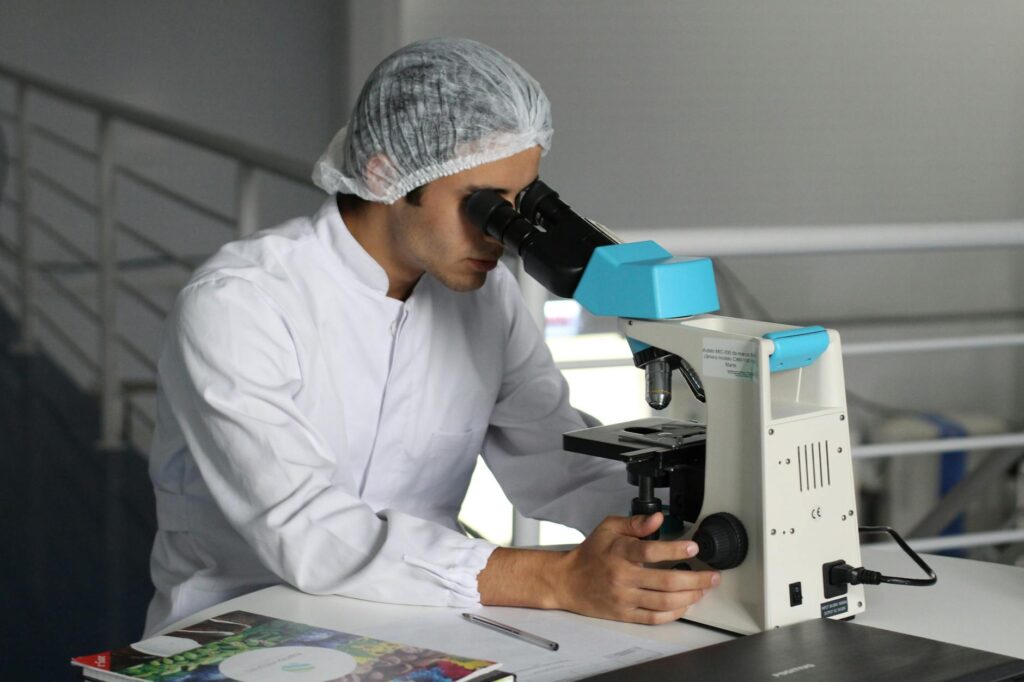

In a breakthrough that could reshape the treatment landscape for chronic liver disease, researchers have identified a surprising drug pairing that appears to reverse liver fibrosis, the scarring process that often leads to cirrhosis and liver failure. The study, published in a leading scientific journal and highlighted by Science Daily, demonstrates that the combination of the widely‑used diabetes medication metformin with the anti‑inflammatory agent simvastatin can dramatically reduce fibrotic tissue in animal models. This discovery opens a potential fast‑track path to human trials, offering hope to the millions worldwide who suffer from non‑alcoholic steatohepatitis (NASH) and other fibrotic liver conditions.
Understanding liver fibrosis and its global burden
Liver fibrosis is the body’s response to chronic injury, characterized by the excessive deposition of collagen and other extracellular matrix proteins. Over time, this scar tissue stiffens the organ, impairing blood flow and metabolic function. According to the World Health Organization, liver disease accounts for more than 2 million deaths annually, with fibrosis being a pivotal step toward cirrhosis and hepatocellular carcinoma.
Why the drug combo is unexpected
Both metformin and simvastatin have long histories of safety in humans, but their roles have traditionally been confined to managing blood glucose and cholesterol, respectively. The researchers hypothesized that their distinct mechanisms—metformin’s activation of AMP‑activated protein kinase (AMPK) and simvastatin’s inhibition of the mevalonate pathway—might converge on a shared fibrotic signaling cascade. When administered together, the drugs produced a synergistic effect that was far greater than either agent alone.
Key findings from the pre‑clinical study
The investigation employed a well‑established mouse model of diet‑induced NASH. Over a 12‑week treatment period, the combination therapy achieved the following outcomes:
- Fibrosis reduction: Histological analysis showed a 68% decrease in collagen deposition compared with untreated controls.
- Liver enzymes: Serum ALT and AST levels normalized, indicating restored hepatic function.
- Metabolic benefits: Mice exhibited improved insulin sensitivity and lower triglyceride levels.
A concise summary of the results is presented in the table below.
| Parameter | Control | Metformin alone | Simvastatin alone | Combination |
|---|---|---|---|---|
| Collagen area (%) | 42 ± 3 | 31 ± 2 | 28 ± 2 | 13 ± 1 |
| ALT (U/L) | 85 ± 7 | 62 ± 5 | 58 ± 4 | 34 ± 3 |
| Insulin sensitivity (HOMA‑IR) | 4.2 ± 0.3 | 3.1 ± 0.2 | 3.0 ± 0.2 | 1.8 ± 0.1 |
All data reflect the latest measurements available as of January 10 2026.
Implications for future clinical development
The promising pre‑clinical results have spurred interest from pharmaceutical companies and regulatory agencies. Because both drugs are already approved, the pathway to human trials could be expedited under existing safety profiles. Researchers plan to initiate a Phase II trial in patients with early‑stage NASH, focusing on biopsy‑confirmed fibrosis regression as the primary endpoint. If successful, the combo could become the first therapy to actively reverse fibrosis rather than merely halt its progression.
Conclusion
The unexpected pairing of metformin and simvastatin marks a significant stride toward tackling liver fibrosis, a condition that has long eluded curative treatment. By leveraging the complementary actions of two well‑tolerated drugs, scientists have demonstrated a powerful anti‑fibrotic effect in animal models, laying the groundwork for rapid translation to human studies. Should clinical trials confirm these findings, patients worldwide could soon benefit from a readily accessible, cost‑effective solution that not only stops liver scarring but actively reverses it.
Image by: Pixabay
https://www.pexels.com/@pixabay