

February in India offers a rare blend of crisp winter air in the north, gentle sunshine on the southern coasts, and vibrant festivals that illuminate the cultural tapestry of the subcontinent. As the country transitions from the chilly nights of December and January, travelers can enjoy comfortable temperatures, clear skies, and a host of activities ranging from trekking in snow‑capped hills to lounging on pristine beaches. This guide highlights the most compelling regions to visit in February 2026, focusing on hill stations, coastal havens, desert oases, and wildlife‑rich national parks, each offering a distinct flavor of Indian hospitality and natural splendor.
Winter hills of the north
The Himalayan foothills and the Western Ghats transform into serene retreats during February. Manali in Himachal Pradesh enjoys daytime highs around 15°C, perfect for river rafting on the Beas and exploring the ancient Hadimba Temple. Further east, Shillong offers mist‑laden valleys and vibrant local markets, while the tea gardens of Darjeeling burst into color during the Darjeeling Carnival. These hill stations provide a cool backdrop for trekking, heritage walks, and sampling regional cuisines.
Coastal retreats
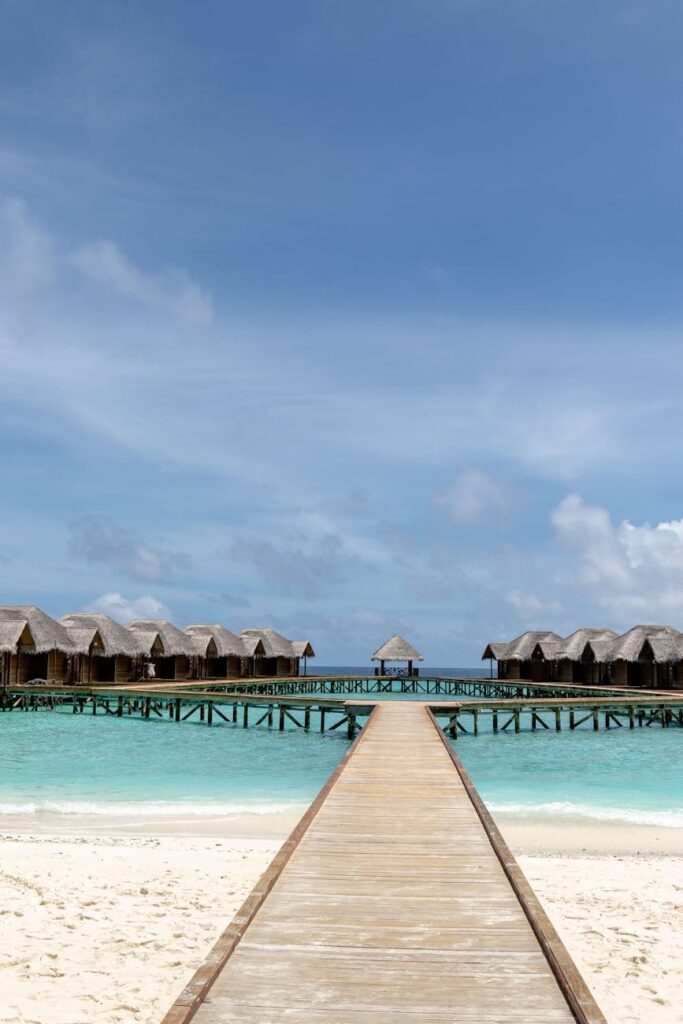
While the north chills, the southern coastline basks in pleasant warmth. The Goan beaches, from Palolem to Agonda, experience average highs of 30°C and minimal rainfall, making them ideal for water sports and sunset cruises. Further down, Kovalam in Kerala offers backwater tours and Ayurvedic retreats, with sea breezes that keep evenings comfortable. These coastal destinations also host cultural festivals, such as Goa’s Shigmo, adding a festive layer to the seaside experience.
Desert adventures
The arid expanses of Rajasthan turn golden under February’s clear skies. Jaisalmer, known as the “Golden City,” showcases its iconic forts and dunes, while the Desert Festival brings folk music, camel races, and craft bazaars to life. Nearby, Udaipur offers lake‑front palaces and heritage hotels, where the cool evenings are perfect for rooftop dining. The desert’s mild daytime temperatures (around 24°C) allow for jeep safaris and cultural immersions without the scorching heat of summer.
Wildlife and heritage parks
February is prime time for wildlife spotting across India’s protected areas. Kanha National Park in Madhya Pradesh boasts dense foliage and a high probability of seeing the iconic Bengal tiger, as the dry season concentrates animals around waterholes. In the east, Kaziranga offers sightings of the one‑horned rhinoceros, with temperatures hovering near 20°C. Heritage sites like Khajuraho combine cultural exploration with nearby wildlife sanctuaries, delivering a balanced itinerary of history and nature.
Quick climate snapshot for February 2026
| Destination | Avg High (°C) | Avg Low (°C) | Rainfall (mm) |
|---|---|---|---|
| Manali | 15 | 5 | 12 |
| Goa (Palolem) | 30 | 22 | 8 |
| Jaisalmer | 24 | 12 | 5 |
| Kanha | 28 | 15 | 10 |
In summary, February 2026 presents a versatile canvas for travelers across India. From the snow‑kissed peaks of the north to the sun‑lit shores of the south, the desert’s golden dunes, and the thriving ecosystems of national parks, each region offers comfortable weather, cultural festivals, and unique experiences. By aligning your itinerary with these diverse destinations, you can enjoy the country’s rich heritage, natural beauty, and warm hospitality without the crowds and heat of peak season.
Image by: Asad Photo Maldives
https://www.pexels.com/@asadphoto