
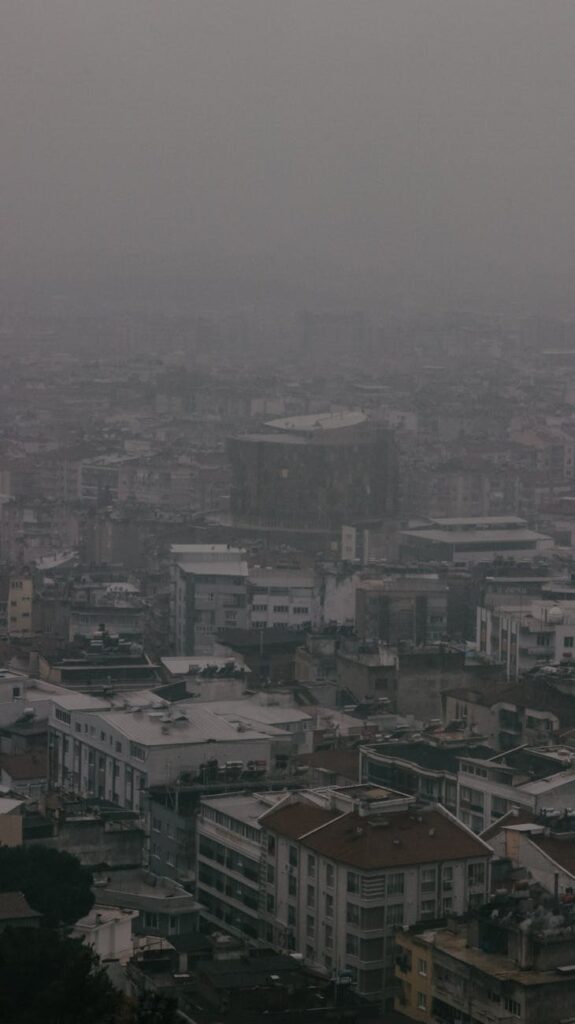

India’s battle against air pollution often spotlights megacities like Delhi and Ghaziabad, but recent data uncovers a surprising culprit. A new National Air Quality Index report shows that Patna now tops the list for worst air quality in the country, with PM2.5 concentrations that dwarf the national safety threshold. This article delves into the factors driving Patna’s toxic skies, the health implications for its residents, and the policy measures being rolled out to curb the crisis.
Why Patna tops the pollution chart
Patna’s alarming numbers stem from a perfect storm of industrial emissions, vehicular exhaust, and seasonal agricultural burning. The city’s rapid urbanisation has outpaced its infrastructure, leading to congested traffic corridors where diesel‑powered buses and old‑model cars dominate. Additionally, the National Clean Air Programme (NCAP) identifies the surrounding districts’ crop‑residue burning during the winter months as a major source of fine particulate matter (PM2.5) that drifts into the urban core.
Health fallout for a growing population
Exposure to PM2.5 levels exceeding 150 µg/m³—well above the World Health Organization’s 10 µg/m³ guideline—has been linked to a surge in respiratory ailments, cardiovascular disease, and premature deaths in Patna. Children and the elderly are especially vulnerable, with hospitals reporting a 30 % rise in asthma-related admissions during peak pollution weeks.
Policy response and mitigation efforts
In response, the state government has launched a multi‑pronged strategy under the NCAP framework:
- Strict enforcement of vehicular emission standards, including retrofitting of public buses with CNG engines.
- Expansion of green cover through the planting of 5 million saplings in urban and peri‑urban zones by 2028.
- Real‑time monitoring via a network of 150 low‑cost sensors that feed data to a publicly accessible dashboard.
- Alternative farming practices promoted among surrounding districts to eliminate stubble burning.
Current air‑quality snapshot
| City | PM2.5 (µg/m³) | PM10 (µg/m³) | Air Quality Index |
|---|---|---|---|
| Patna | 172 | 240 | 285 (Very Poor) |
| Delhi | 115 | 190 | 210 (Poor) |
| Ghaziabad | 108 | 175 | 195 (Poor) |
These figures, compiled from the Central Pollution Control Board as of 10 January 2026, underscore Patna’s grim standing.
Looking ahead: sustainable pathways
Long‑term improvement hinges on integrated urban planning that aligns transportation, industry, and agriculture with clean‑air objectives. Experts advocate for a shift to electric mobility, stricter zoning laws for factories, and incentivising renewable energy adoption. Community awareness campaigns, coupled with robust data transparency, can empower citizens to demand cleaner air and hold polluters accountable.
In conclusion, Patna’s emergence as India’s most polluted city challenges the conventional narrative that only the capital region suffers from hazardous air. The confluence of unchecked emissions, inadequate infrastructure, and seasonal agricultural practices has created a public‑health emergency. While government initiatives under the NCAP provide a roadmap, sustained progress will require coordinated action across sectors, innovative technology, and an informed populace committed to breathing cleaner air.
Image by: Nazım can Pirinç
https://www.pexels.com/@nazim-can-pirinc-84746543