
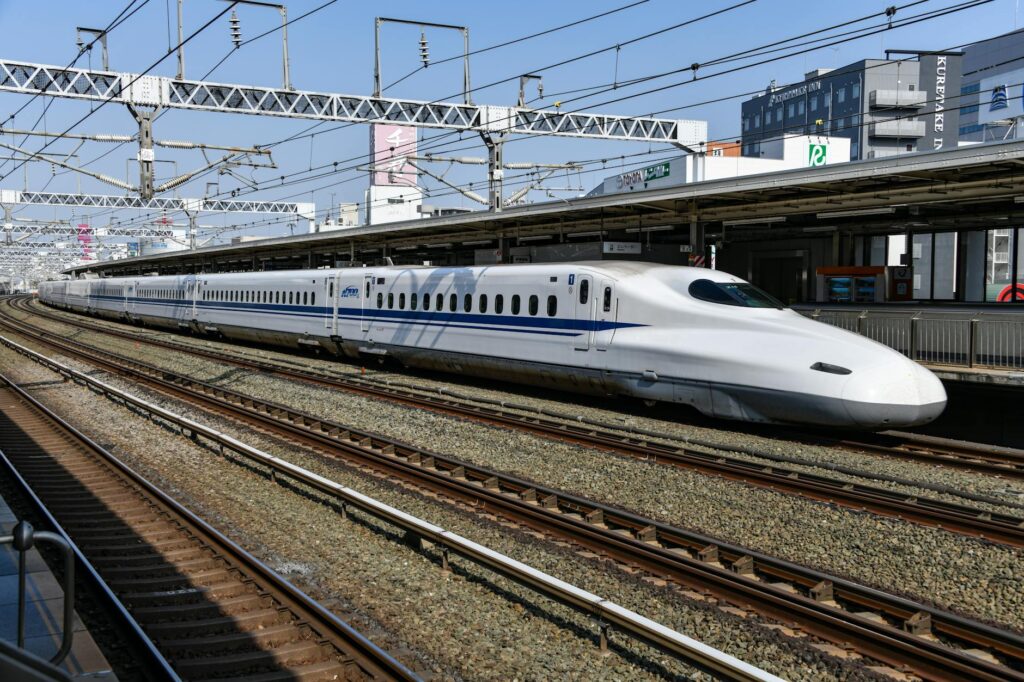

In a landmark development for India’s high‑speed rail ambitions, the joint venture of SCC and MIRAL has been awarded the multi‑modal integration works contract for the upcoming bullet‑train corridor. The agreement, valued at over ₹12,500 crore, aims to seamlessly connect the high‑speed line with existing rail, metro, and road networks, enhancing passenger convenience and regional connectivity. This contract underscores the government’s push for integrated transport solutions and reflects confidence in private sector expertise to deliver complex infrastructure projects. As the bullet‑train project progresses, the SCC‑MIRAL partnership will play a pivotal role in shaping the corridor’s operational efficiency and economic impact.
Strategic significance of the contract
The multi‑modal integration contract is a cornerstone of the broader bullet‑train corridor initiative. By linking high‑speed rail with metro services, suburban trains, and major highways, the project seeks to create a unified mobility ecosystem that reduces travel times and decongests urban centers. This approach aligns with India’s National High Speed Rail Corporation Limited (NHSRCL) roadmap, which emphasizes inter‑modal connectivity as a catalyst for sustainable urban growth.
Scope and technical details of the integration works
The SCC‑MIRAL JV will be responsible for designing and constructing:
- Integrated stations that accommodate bullet‑train platforms, metro lines, and bus terminals.
- Pedestrian‑friendly concourses with real‑time information displays.
- Seamless ticketing systems using contactless and QR‑code technologies.
- Parking structures and last‑mile connectivity solutions, including bike‑share docks.
Advanced engineering techniques, such as modular construction and prefabricated structural elements, will be employed to meet tight deadlines while ensuring safety and quality standards.
Stakeholder expectations and economic impact
Government agencies anticipate that the integrated corridor will boost regional GDP by an estimated 3.5 % within five years of operation. Local businesses expect increased footfall, while commuters look forward to reduced journey times—up to 45 % shorter for key routes. The project also creates approximately 12,000 jobs during the construction phase and supports ancillary industries ranging from steel manufacturing to digital services.
Challenges and timeline
Despite the optimistic outlook, the venture faces several hurdles:
- Land acquisition complexities in densely populated zones.
- Coordinating schedules among multiple transport authorities.
- Ensuring cyber‑security for integrated ticketing and data platforms.
The joint venture has outlined a phased timeline, summarized in the table below, with a target operational date of December 2028.
| Milestone | Target Completion |
|---|---|
| Detailed design approval | June 2025 |
| Groundbreaking & site preparation | November 2025 |
| Construction of integrated stations | March 2027 |
| Systems integration & testing | July 2028 |
| Commercial launch | December 2028 |
Conclusion
The SCC‑MIRAL joint venture’s award marks a decisive step toward a fully integrated, high‑speed rail network that could redefine travel across India’s most bustling corridors. By marrying cutting‑edge engineering with a holistic mobility vision, the project promises substantial economic dividends, job creation, and a smoother passenger experience. While challenges remain, the clear roadmap and strong governmental backing provide confidence that the bullet‑train corridor will become a flagship model of multi‑modal transport integration.
Image by: David Dibert
https://www.pexels.com/@dibert