

Introduction
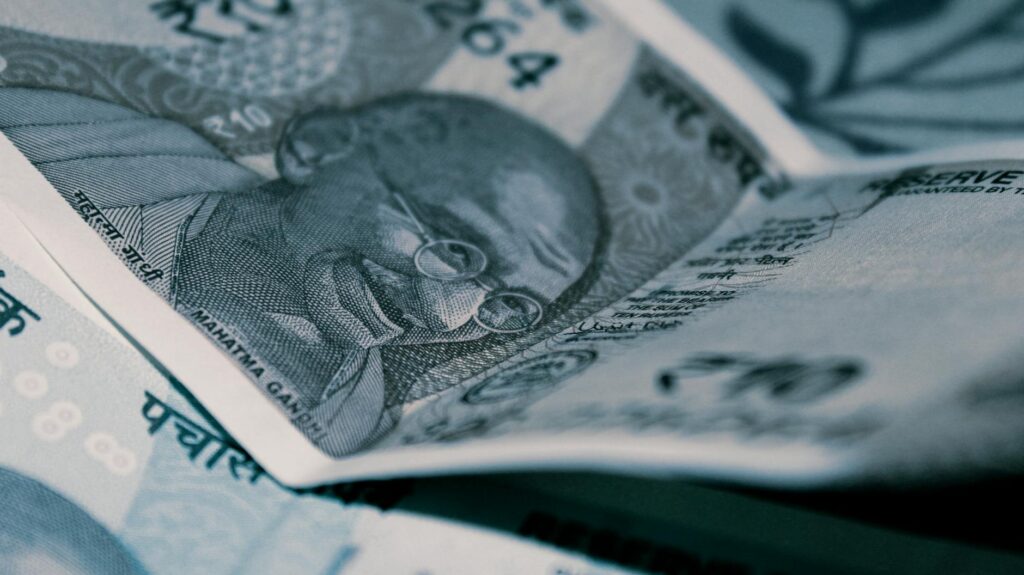
A wave of speculation has recently swept across social media and news portals, suggesting that the Reserve Bank of India (RBI) might replace Mahatma Gandhi’s iconic portrait on Indian banknotes with a new design. The rumor gained traction after a series of unverified posts claimed that a fresh series of notes would omit the Father of the Nation entirely. In response, the RBI issued an official clarification, putting the speculation to rest. This article unpacks the origins of the rumor, examines the RBI’s statement, explores the design principles governing Indian currency, and assesses the broader implications for collectors, the banking sector, and the general public.
Background of the rumor
The speculation began when a viral tweet claimed that the RBI had approved a redesign that would remove Gandhi’s portrait from all denominations. The post cited an alleged internal memo and quickly spread across platforms, prompting questions about the motivations behind such a move and whether it signaled a shift in national symbolism.
RBI’s official statement
On December 18, 2025, the RBI released a concise press note stating: “Mahatma Gandhi’s portrait will continue to appear on Indian currency notes. No changes have been approved to remove or replace the portrait.” The central bank emphasized that any redesign would undergo a rigorous consultative process involving the Ministry of Finance, the Government of India, and relevant stakeholders before public announcement.
Design considerations for Indian notes
Indian banknotes are governed by a blend of security, heritage, and usability criteria. The portrait of Mahatma Gandhi has been a constant since the 1996 series, serving both as a unifying symbol and a security feature. The RBI’s design protocol includes:
- Security features: watermarks, security threads, and opt‑visible inks.
- Iconic imagery: national monuments, wildlife, and cultural motifs.
- Accessibility: tactile marks for the visually impaired.
Any alteration to the portrait would require extensive testing to ensure that anti‑counterfeiting measures remain robust.
Implications for collectors and the public
For numismatists, a change in the portrait would create a distinct collectible series, potentially driving market demand for transitional notes. However, the RBI’s clarification assures that the existing series remains stable, preserving continuity for everyday transactions and for the vast community of collectors who value consistency.
| Denomination | Color | Portrait | Key security feature |
|---|---|---|---|
| ₹10 | Chocolate brown | Mahatma Gandhi | See‑through register |
| ₹20 | Green | Mahatma Gandhi | Security thread |
| ₹50 | Grey | Mahatma Gandhi | Intaglio printing |
| ₹100 | Peach | Mahatma Gandhi | Watermark |
| ₹200 | Blue | Mahatma Gandhi | Opt‑visible ink |
| ₹500 | Brown | Mahatma Gandhi | Micro‑lettering |
| ₹2000 | Magenta | Mahatma Gandhi | Colour‑changing ink |
Conclusion
The RBI’s swift clarification dispels the circulating myth that Mahatma Gandhi’s portrait will be removed from Indian currency notes. By reaffirming the continuity of the current design, the central bank reinforces both the symbolic reverence for the nation’s founding father and the stability of the country’s monetary system. Stakeholders—including the public, financial institutions, and collectors—can remain confident that the familiar visage of Gandhi will continue to grace Indian rupee notes for the foreseeable future.
Image by: Habib
https://www.pexels.com/@habibqnet