

Introduction
A groundbreaking diagnostic system capable of identifying bacterial infections in just twenty minutes could reshape the global battle against antimicrobial resistance. Developed by an international team of microbiologists and engineers, the platform combines microfluidic sampling with artificial‑intelligence‑driven analysis to deliver rapid, accurate results at the point of care. By cutting the lag between symptom onset and targeted therapy, clinicians can curb the overuse of broad‑spectrum antibiotics, a key driver of drug‑resistant superbugs. The technology, detailed in a recent Phys.org report, promises to accelerate treatment decisions, reduce hospital stays, and ultimately save lives.
Rapid diagnostics breakthrough
The new system leverages a compact cartridge that draws a tiny blood sample and channels it through a network of nanostructured chambers. Within seconds, bacterial DNA is amplified and fed into a machine‑learning model trained on millions of pathogen signatures. The result is a clear identification of the offending organism and its likely resistance profile, all displayed on a handheld tablet. Compared with traditional culture methods that can take 24‑48 hours, this represents a paradigm shift in clinical microbiology.
How the 20‑minute test works
Three core components power the rapid assay:
- Microfluidic extraction – isolates bacterial genetic material from the sample without the need for centrifugation.
- Isothermal amplification – expands the DNA target in a constant‑temperature environment, eliminating bulky thermal cyclers.
- AI‑based interpretation – matches amplified sequences against a curated database of resistance genes.
Because the workflow is fully automated, even low‑resource clinics can perform the test without specialized lab staff.
Impact on antibiotic stewardship
Fast, precise diagnostics are a cornerstone of responsible antibiotic use. By revealing the exact pathogen and its susceptibility within minutes, physicians can prescribe narrow‑spectrum agents instead of resorting to broad‑spectrum drugs as a precaution. This targeted approach reduces selective pressure that fuels resistant strains. According to the World Health Organization, inappropriate prescribing accounts for up to 50 % of antibiotic consumption in hospitals; a tool that trims that margin could dramatically lower the emergence of superbugs.
| Diagnostic method | Average time to result | Typical setting |
|---|---|---|
| Standard culture | 24–48 hours | Hospital labs |
| PCR‑based panel | 4–6 hours | Reference labs |
| New 20‑minute system | ~20 minutes | Point‑of‑care |
Challenges and future outlook
Despite its promise, the technology faces hurdles before widespread adoption. Regulatory approval pathways differ across regions, and large‑scale manufacturing must keep costs low to remain competitive with existing rapid tests. Additionally, the AI model requires continuous updates to incorporate emerging resistance genes. Researchers are already planning field trials in Southeast Asia and Sub‑Saharan Africa, where drug‑resistant infections claim the highest toll. If these pilots confirm the system’s accuracy and affordability, the next decade could see a global rollout that redefines how clinicians confront infectious disease.
Conclusion
The twenty‑minute diagnostic platform offers a decisive advantage in the fight against antimicrobial resistance by delivering fast, reliable pathogen identification at the bedside. Its integration of microfluidics, isothermal amplification, and AI not only shortens the diagnostic window but also empowers clinicians to practice precise antibiotic stewardship. While regulatory and logistical challenges remain, ongoing trials suggest a clear path toward mainstream use. Should the technology achieve broad deployment, it could curb the spread of drug‑resistant bacteria, reduce unnecessary antibiotic exposure, and ultimately save countless lives worldwide.
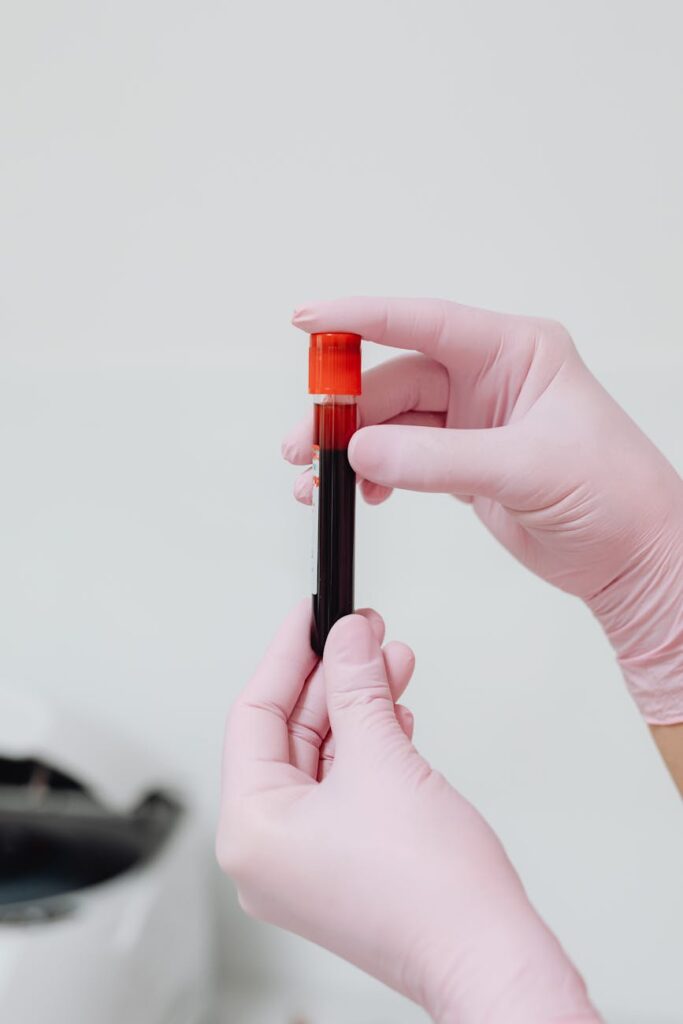
Image by: Karola G
https://www.pexels.com/@karola-g