
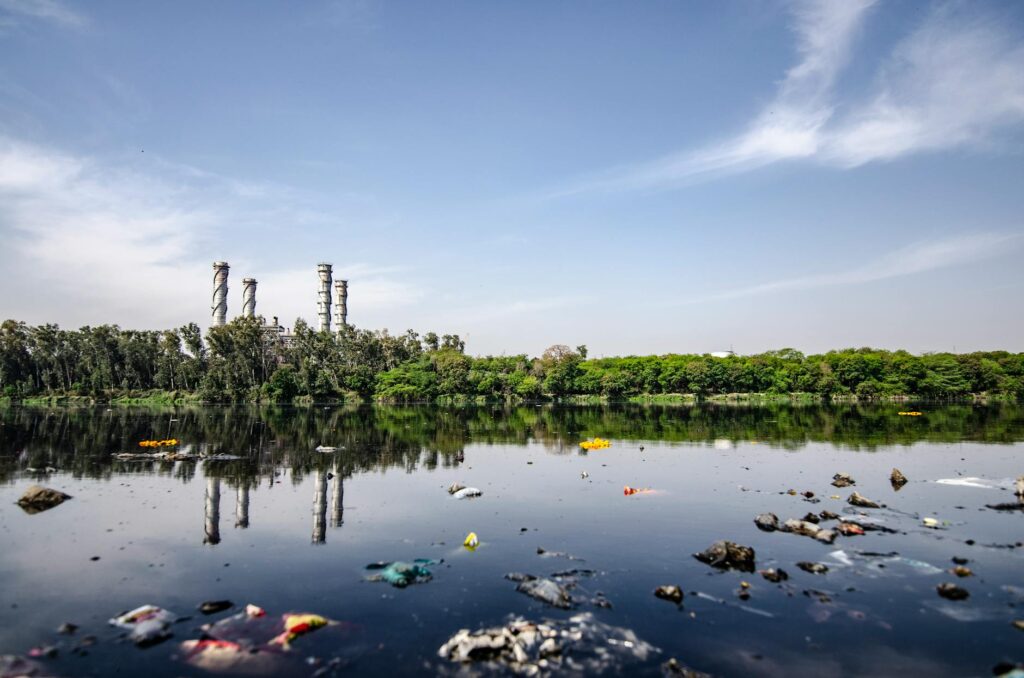

Delhi residents are bracing for a possible interruption in water supply that could affect large swathes of South and North Delhi in the coming days. The city’s water department has flagged technical glitches and maintenance work on key pipelines as the primary drivers behind the looming shortage. With summer temperatures already soaring, any lapse in service could exacerbate health risks and strain daily routines. Authorities have issued advisories urging households to conserve water and stay alert for official notices. This article unpacks the reasons behind the expected outage, the neighborhoods most at risk, past precedents, government responses, and practical steps residents can take.
Why the outage is looming
The water department cited ongoing repairs on the main distribution lines that traverse the southern and northern corridors of the capital. Aging infrastructure, combined with a surge in demand, has forced engineers to shut down sections for flushing and leak detection. In addition, a recent spike in groundwater extraction has lowered reservoir levels, leaving less buffer for unexpected failures.
Areas most likely to feel the impact
Preliminary maps released by the department highlight the following localities as high‑risk zones:
| Region | Key Colonies | Expected outage window |
|---|---|---|
| South Delhi | Green Park, Hauz Khas, Lajpat Nagar | 02 Jan – 04 Jan 2026 |
| North Delhi | Model Town, Kamla Nagar, Civil Lines | 03 Jan – 05 Jan 2026 |
Residents in these colonies have been advised to store water in clean containers and limit non‑essential usage such as garden irrigation.
Historical context of Delhi’s water crises
Delhi’s water woes are not new. A 2022 study by the Centre for Urban Water Management documented that the city’s per‑capita water availability fell below 135 litres per day, the threshold for basic needs. Past incidents—most notably the 2019 supply cut that lasted three days—showed how quickly shortages can ripple through commerce, healthcare, and education. Each crisis has prompted incremental upgrades, yet the rapid urban expansion often outpaces infrastructure upgrades.
Measures authorities are taking
- Accelerated pipe replacement: Over 150 km of old mains are slated for replacement by mid‑2026.
- Real‑time monitoring: Installation of smart sensors on critical junctions to detect pressure drops instantly.
- Public communication: SMS alerts and a dedicated portal (waterdelhi.gov.in) will provide real‑time outage updates.
- Emergency water tankers: Deployment of tanker trucks to affected colonies, with schedules posted on the portal.
What residents can do
While officials work on the technical fixes, households can mitigate inconvenience by:
- Filling clean containers during off‑peak hours (early morning or late evening).
- Using water‑saving fixtures such as aerators and low‑flow taps.
- Reporting leaks promptly via the city helpline.
- Storing a small stock of bottled water for drinking and cooking.
Conclusion
Delhi’s impending water supply disruption underscores the fragile balance between a growing metropolis and its aging utility network. By understanding the technical reasons, pinpointing the most vulnerable neighborhoods, learning from past crises, and following the steps outlined by authorities, residents can navigate the short‑term challenges with minimal disruption. Continued investment in infrastructure and transparent communication will be essential to prevent similar episodes in the future.
Image by: Yogendra Singh
https://www.pexels.com/@yogendras31