

India’s government has introduced a draft legislation to replace the Mahatma Gandhi National Rural Employment Guarantee Act (MGNREGA) with a new framework that promises greater flexibility and reduced fiscal pressure. While officials argue the move will streamline rural employment schemes, opposition parties, activists and the Telangana Rashtra Samithi (TRS) have voiced sharp criticism, warning that the bill could erode hard‑won guarantees for millions of workers. The debate has quickly become a flashpoint in the broader discussion on welfare spending, federal‑state relations, and the political calculus ahead of upcoming elections. This article unpacks the bill’s key provisions, the political backlash, fiscal implications, and what the changes could mean for India’s rural poor.
Proposed legislation: what changes are on the table
The draft bill, titled the Rural Employment and Livelihoods Act, 2025, seeks to replace the 2005 MGNREGA law. Core alterations include:
- Reducing the guaranteed 100 days of work per household to a flexible target based on local project availability.
- Shifting the responsibility for funding from the central government to a larger share of state budgets.
- Introducing a performance‑linked incentive system for contractors and local bodies.
- Allowing private sector participation in project execution.
Proponents claim these measures will cut administrative overhead, improve asset quality, and align rural employment with emerging market needs. Critics, however, argue that the changes dilute the constitutional guarantee of livelihood and could leave vulnerable families without a safety net.
Political backlash: opposition activists and TDP’s warning
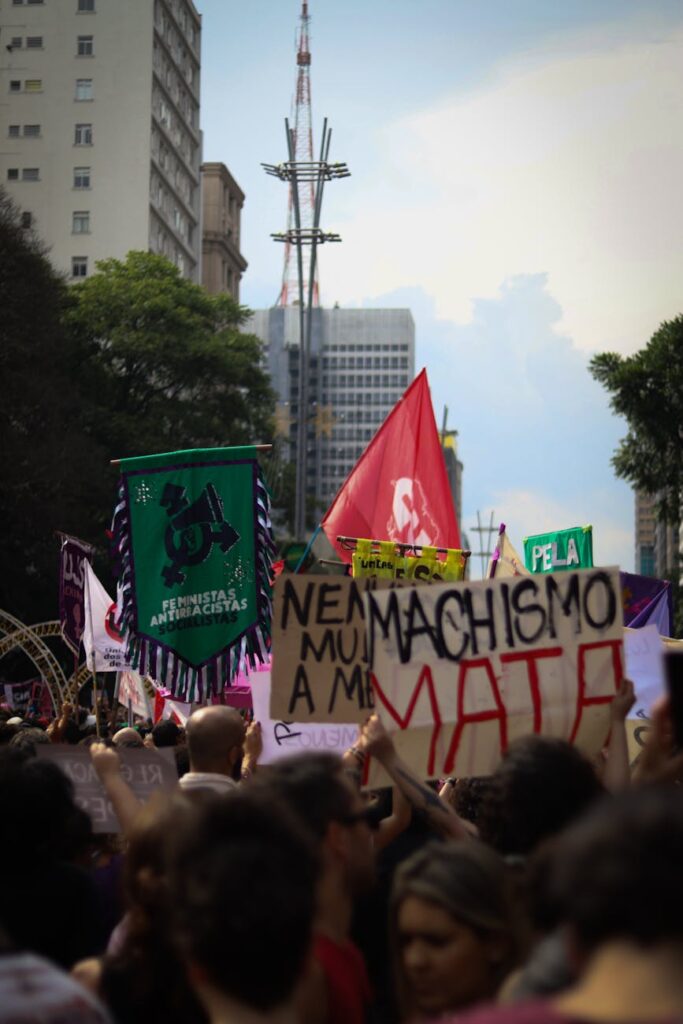
From the moment the bill was tabled, opposition parties launched coordinated protests. The original report in The Hindu highlighted that activists from the Congress, BJP and regional outfits staged rallies in Delhi, Hyderabad and several districts across Andhra Pradesh. The Telangana Rashtra Samithi (TRS) – now the ruling party in Telangana – flagged the bill as an “increased fiscal burden” on the state, warning that the shift of funding responsibilities could strain already tight state coffers and force cuts in other development programmes.
Fiscal implications: the state’s growing burden
Under the current MGNREGA framework, the central government shoulders roughly 70% of the scheme’s cost, with states covering the remainder. The new bill proposes a 50‑50 cost‑sharing model, effectively raising each state’s contribution by an estimated ₹3,200 crore annually, according to a recent Ministry of Finance briefing. For cash‑strapped states like Telangana, this could translate into a budgetary gap of up to 4.5% of their total expenditure.
| Feature | MGNREGA (2024) | Proposed Bill (2025) |
|---|---|---|
| Work guarantee | 100 days per household | Flexible target based on project availability |
| Funding split | 70% Central, 30% State | 50% Central, 50% State |
| Private sector role | Limited to ancillary services | Direct participation in project execution |
| Incentive mechanism | None | Performance‑linked incentives for contractors |
Ground reality: impact on rural workers
Since its inception, MGNREGA has provided over 120 million households with wage employment, contributing to rural asset creation and poverty reduction. A 2023 World Bank study noted a 12% decline in seasonal migration in districts with high MGNREGA participation. The proposed reduction in guaranteed days could reverse these gains, especially in drought‑prone regions where alternative livelihoods are scarce. Moreover, the shift toward private contractors raises concerns about wage regularity and worker safety, issues that have plagued previous public‑private partnership attempts.
Prospects and next steps
The bill is slated for parliamentary debate in the upcoming monsoon session. Stakeholders anticipate intense lobbying from both state governments seeking greater fiscal autonomy and civil society groups demanding the preservation of the 100‑day guarantee. If passed, the legislation would require states to revise their annual budgets, re‑train local officials, and establish monitoring mechanisms for private participation. Conversely, a strong opposition could force the government to amend the bill, possibly retaining the core guarantee while tweaking funding formulas.
Conclusion
The draft Rural Employment and Livelihoods Act represents a bold attempt to overhaul India’s flagship rural welfare program. While its architects argue for efficiency and fiscal prudence, opposition parties and state leaders warn of heightened financial strain and the erosion of guaranteed employment for millions. The coming weeks will determine whether the bill can reconcile these competing priorities or whether it will be reshaped by the political and social forces it seeks to transform.
Image by: Affonso Jr
https://www.pexels.com/@affonso-jr-190129191