
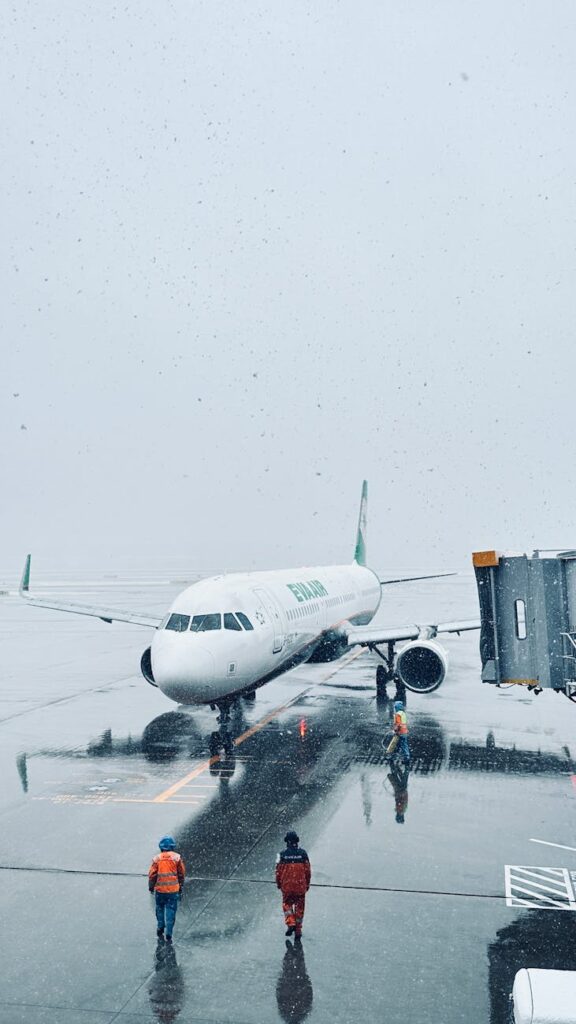

Thousands of travelers across China, Japan, Singapore, India, Thailand, Indonesia and the Philippines found themselves stranded this week after a cascade of cancellations and delays crippled the region’s major airlines. In a single reporting period, 137 flights were outright canceled while another 2,024 were delayed, affecting hubs such as Nanjing, Tokyo, Delhi, Bangkok and Manila. The disruption involved carriers ranging from Air China and Singapore Airlines to low‑cost players like IndiGo, Thai Airways and Japan Airlines (JAL). This article unpacks the reasons behind the chaos, the ripple effects on passengers and economies, and how airlines are scrambling to restore normalcy.
Widespread cancellations across major carriers
The disruption was not limited to a single airline; it spanned the region’s biggest operators. Below is a snapshot of the cancellations reported as of today:
| Airline | Cancellations |
|---|---|
| Air China | 30 |
| Singapore Airlines | 25 |
| IndiGo | 20 |
| Thai Airways | 15 |
| Japan Airlines (JAL) | 18 |
| Other regional carriers | 19 |
In total, the cancellations affected more than 2,000 passengers, while the 2,024 delayed flights added hours of waiting time at congested airports.
Root causes behind the chaos
Multiple factors converged to create the perfect storm:
- Severe weather: Unseasonal thunderstorms in northern China and a sudden monsoon surge in the Indian sub‑continent forced many flights off the schedule.
- Air traffic control (ATC) bottlenecks: Ongoing upgrades to ATC systems in Japan and Singapore reduced available slots, leading to cascading delays.
- Staff shortages: Recent labor disputes and a wave of sick leave among crew members strained airline resources.
- Technical glitches: A software outage at a major hub in Bangkok temporarily halted flight plan submissions.
These issues compounded each other, turning isolated incidents into a regional gridlock.
Impact on travelers and economies
Beyond the inconvenience, the fallout has measurable economic repercussions:
- Tourism revenues in key cities such as Tokyo and Bangkok are projected to dip by up to 3% this quarter.
- Business travelers faced missed meetings, prompting companies to absorb additional costs for re‑booking and accommodation.
- Airport retail sales suffered as foot traffic plummeted during peak travel windows.
Passengers reported frustration on social media, with many seeking refunds, vouchers or alternative transport options.
Airlines’ response and recovery plans
Each carrier has rolled out a set of short‑term measures while outlining longer‑term strategies:
- Air China is deploying extra crew from less‑affected hubs and offering complimentary hotel stays for stranded passengers.
- Singapore Airlines introduced a “flexi‑rebook” tool that lets travelers shift to later flights without penalty.
- IndiGo is coordinating with ground‑handling partners to accelerate baggage processing and reduce turnaround times.
- Thai Airways announced a temporary increase in flight frequencies on high‑demand routes once the ATC bottleneck clears.
- JAL is investing in additional weather‑prediction software to better anticipate disruptions.
Regulators in each country have urged airlines to maintain transparent communication and to prioritize passenger rights.
Looking ahead: what to expect
Analysts predict that the current wave of cancellations will subside within the next 48‑72 hours as weather systems move away and ATC upgrades finish testing. However, the episode underscores the fragility of Asia’s densely packed air network. Travelers are advised to monitor airline notifications, consider travel insurance, and allow extra buffer time for connections.
In sum, the unprecedented disruption highlights the interconnected challenges of weather, technology and workforce management in modern aviation. While airlines are taking decisive steps to restore service, the incident serves as a reminder that resilience planning remains a critical priority for the region’s aviation ecosystem.
Image by: jAnus Wang
https://www.pexels.com/@janus-wang-2150601239