
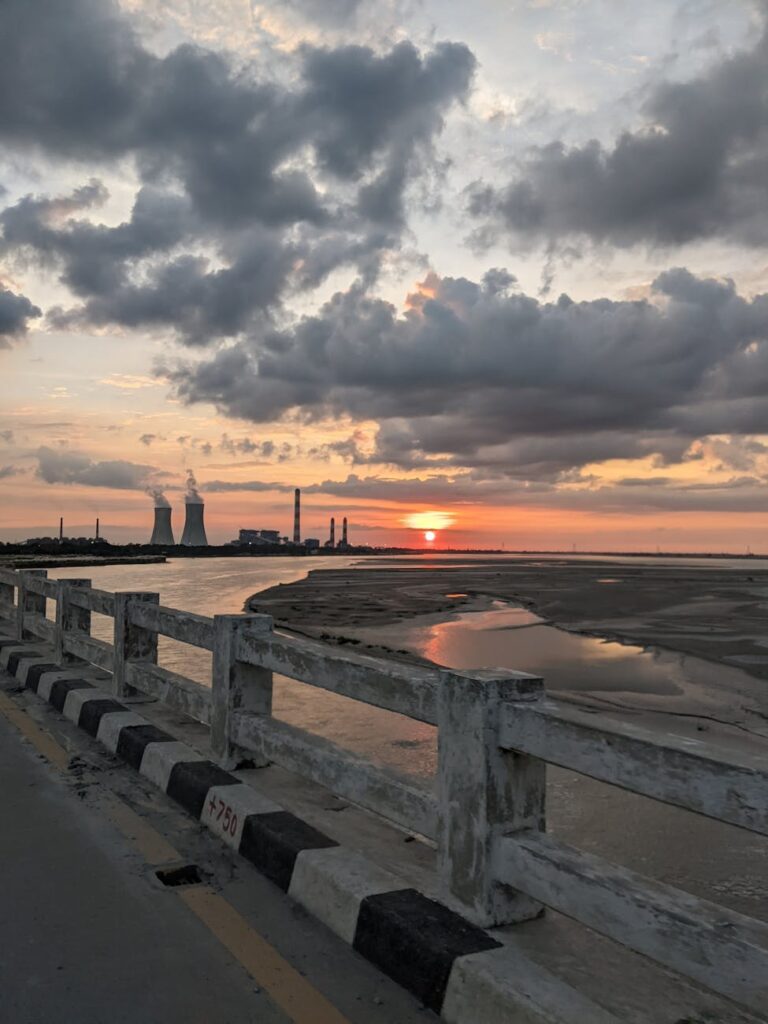

India is charting a bold course toward energy independence by turning its vast thorium deposits into a cornerstone of its nuclear power strategy. With an estimated 25,000 kilometres of coastline and abundant monazite sands, the country holds roughly a third of the world’s thorium reserves, positioning it uniquely to reduce reliance on imported uranium. The government’s long‑term plan, outlined in recent policy documents and backed by the Department of Atomic Energy, envisions a shift from conventional reactors to advanced thorium‑based systems, promising safer, cleaner, and more sustainable electricity generation for a growing population. This article examines the scientific merits, policy framework, technical progress, and broader implications of India’s thorium drive.
Thorium advantage over uranium
Unlike uranium, thorium is more abundant and produces significantly less long‑lived radioactive waste. When bred in a reactor, thorium‑232 transforms into fissile uranium‑233, offering a higher energy yield per tonne of fuel. Moreover, thorium‑based reactors inherently possess enhanced safety features, such as passive cooling and reduced risk of meltdowns, aligning with global calls for safer nuclear technology. The strategic benefit is twofold: securing a domestic fuel supply and mitigating geopolitical vulnerabilities tied to uranium imports.
Policy roadmap and institutional framework
The National Nuclear Energy Roadmap 2024‑2035 sets out a phased approach:
- 2025‑2028: Completion of the Advanced Heavy Water Reactor (AHWR) prototype, designed to operate on a mixed thorium‑uranium fuel.
- 2029‑2035: Deployment of 5‑GW of thorium‑based capacity across coastal states, leveraging existing heavy‑water reactor sites.
- 2036‑2040: Commercial roll‑out of Generation‑IV molten‑salt reactors (MSR) that can fully close the thorium fuel cycle.
Key institutions— the Department of Atomic Energy (DAE), Bhabha Atomic Research Centre (BARC), and the Nuclear Power Corporation of India Limited (NPCIL)—coordinate research, licensing, and construction, while the newly formed Thorium Development Council ensures cross‑sectoral alignment.
Technical milestones and current projects
India’s thorium journey is already yielding tangible outcomes:
- AHWR prototype: Commissioned at the Kakrapar site in Gujarat, achieving criticality in early 2025 with a 300‑MW output.
- Molten‑salt test loop: Operational at BARC’s Trombay campus, demonstrating stable uranium‑233 breeding from thorium.
- International collaborations: Joint research with Canada’s CANDU program and France’s CEA to refine fuel reprocessing techniques.
These projects are supported by a growing domestic supply chain, including monazite extraction firms and specialized fuel fabrication units, creating a self‑sustaining ecosystem.
Economic and geopolitical implications
Transitioning to thorium could reshape India’s energy economics. A recent study by the Institute for Energy Security estimates that thorium‑based power could lower generation costs by 12‑15 % compared to imported uranium reactors over a 30‑year horizon. Additionally, the reduced need for uranium imports strengthens national security and offers leverage in international nuclear negotiations. On the export front, India aims to become a supplier of thorium‑derived technology, positioning itself alongside traditional nuclear power exporters.
| Year | Planned Thorium‑Based Capacity (GW) | Planned Uranium‑Based Capacity (GW) |
|---|---|---|
| 2025 | 0.3 | 6.2 |
| 2028 | 1.0 | 7.0 |
| 2032 | 2.5 | 7.8 |
| 2036 | 4.0 | 8.5 |
| 2040 | 5.5 | 9.0 |
Conclusion
India’s strategic pivot to thorium is more than a technological experiment; it is a comprehensive effort to secure energy independence, enhance safety, and foster economic growth. By leveraging its unique geological endowment, aligning policy with research, and advancing critical reactor designs, the nation is poised to lead the next generation of nuclear power. As the roadmap unfolds, the world will be watching how thorium transforms from a promising concept into a reliable backbone of India’s energy future.
Image by: Zeya Irish
https://www.pexels.com/@zeya-irish-170428250