

Introduction
Indian Railways is on the brink of completing the electrification of its broad‑gauge network, having already electrified 99.2% of the routes. This achievement places the world’s fourth‑largest rail operator ahead of traditional powerhouses such as the United Kingdom, Russia and China in terms of network coverage. The push for an electric rail system aligns with India’s broader climate goals, promises significant cost savings, and promises faster, cleaner journeys for millions of commuters. The following analysis explores the milestones reached, compares India’s progress with global peers, examines the economic and environmental benefits, and outlines the challenges that remain before the network is fully electrified.
Electrification milestone achieved
According to a recent report by the Economic Times, the Ministry of Railways announced that 99.2% of the 62,000‑kilometre broad‑gauge network now runs on electric traction. The remaining 0.8% comprises short branch lines and sections in remote terrain where diesel traction is still in use. The government’s “Mission Electrify” programme, launched in 2017, has accelerated the rollout by leveraging indigenous locomotive technology, renewable energy sourcing, and public‑private partnerships. By the end of the fiscal year 2025‑26, the railways aim to achieve 100% electrification, eliminating the need for diesel locomotives on the main network.
Comparative global landscape
India’s rapid progress can be contextualised against other major rail systems. While the United Kingdom has electrified roughly 70% of its mainline network, Russia lags at about 55%, and China, despite massive investments, has electrified close to 85% of its high‑speed and conventional lines. The table below summarises the latest electrification percentages for these countries as of December 2025.
| Country | Broad‑gauge network length (km) | Electrified % |
|---|---|---|
| India | 62,000 | 99.2% |
| United Kingdom | 15,000 | 70% |
| Russia | 85,000 | 55% |
| China | 140,000 | 85% |
Economic and environmental impact
Electrification delivers multiple benefits. From an economic perspective, electric locomotives consume up to 30% less energy per kilometre compared with diesel, translating into annual savings of over ₹15,000 crore for Indian Railways. The shift also reduces dependence on imported oil, enhancing energy security. Environmentally, the transition cuts CO₂ emissions by an estimated 20 million tonnes per year, supporting India’s commitment under the Paris Agreement. Moreover, electric traction enables higher acceleration and top speeds, improving line capacity and reducing travel times on key corridors such as the Delhi‑Mumbai and Chennai‑Bengaluru routes.
Challenges ahead and future roadmap
Despite the impressive coverage, the remaining non‑electrified sections pose logistical and financial hurdles. Remote hilly terrain, fragmented land ownership, and the need for additional substations increase project complexity. To address these, the railways have launched a “Last‑Mile Electrification” task force, earmarking ₹3,000 crore for targeted upgrades and exploring hybrid diesel‑electric locomotives for difficult stretches. Parallelly, the ministry is integrating renewable energy sources—solar and wind—into the traction power mix, aiming for 50% clean energy contribution by 2030.
Conclusion
Indian Railways’ near‑completion of broad‑gauge electrification marks a watershed moment for the nation’s transport infrastructure. By outpacing the United Kingdom, Russia and China, the rail network not only showcases operational efficiency but also reinforces India’s climate‑action agenda. While the final 0.8% presents technical and financial challenges, the strategic roadmap—combining targeted investments, renewable energy integration and innovative locomotive technology—positions the country to achieve a fully electric rail system in the near future, delivering lasting economic, environmental and societal gains.
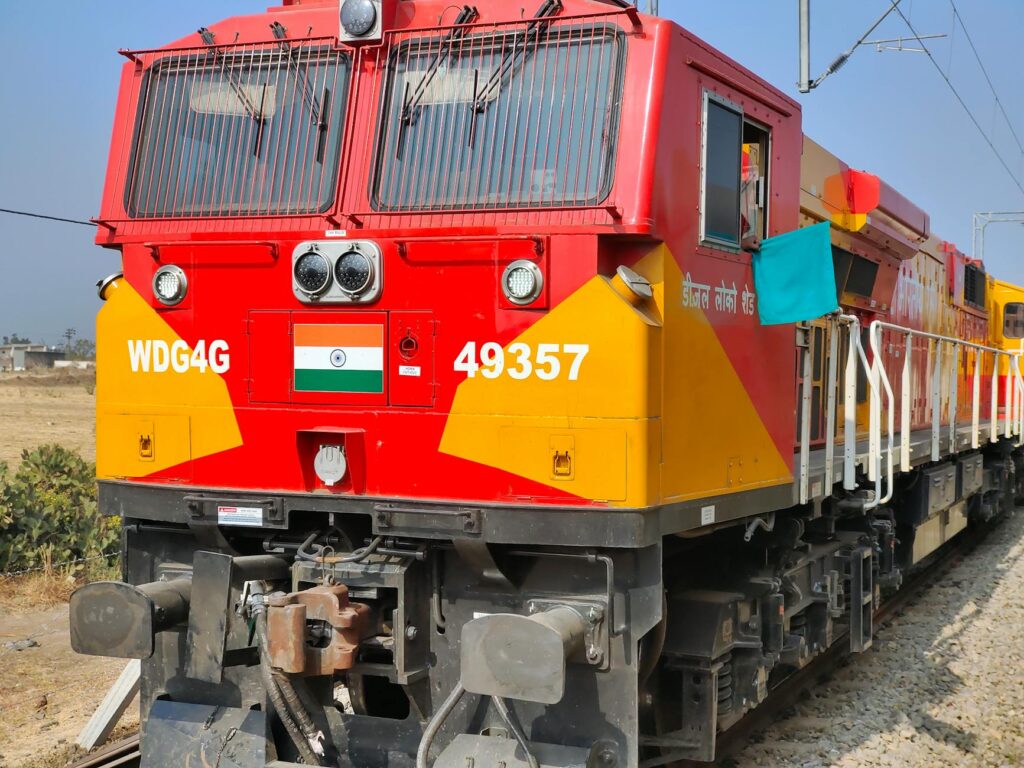
Image by: Chirag Gudhka
https://www.pexels.com/@chiraggudhka