
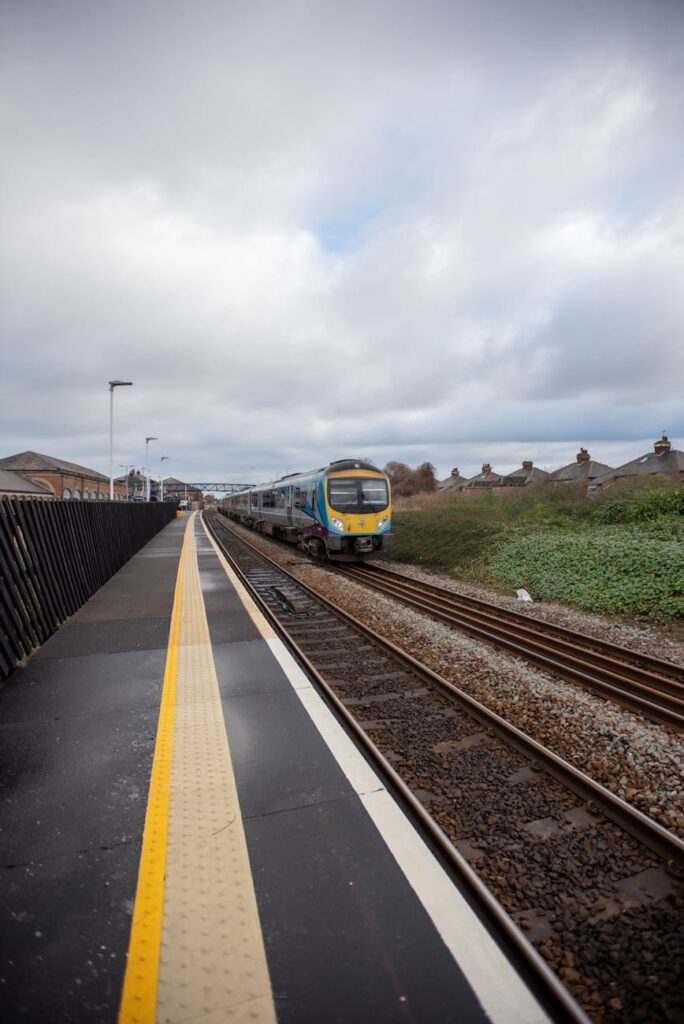

Indian Railways is poised to usher in a new era of rapid transit as the nation’s first high‑speed test track is slated for completion by March 2026. The 220 km/h trial line, located near Vadodara, will serve as the proving ground for future bullet‑train services and is a cornerstone of the country’s ambition to join the global high‑speed rail club. The project, overseen by the Research Designs and Standards Organisation (RDSO), reflects a blend of cutting‑edge engineering, strategic planning, and a push to modernise India’s rail network. This article unpacks the construction, technology, strategic relevance, challenges, and the road ahead for this landmark initiative.
Building the test track
The official announcement details a 70‑km dedicated corridor that will accommodate speeds up to 220 km/h. Construction began in early 2022, focusing on earthworks, ballast laying, and the installation of continuous welded rails designed for high‑velocity operation. Key milestones include:
- 2023: Completion of earth‑moving and drainage systems.
- 2024: Installation of signalling and communication infrastructure.
- 2025: Track laying and alignment verification.
- 2026: Final certification and trial runs.
Technology and design
The track incorporates Euro‑type ballastless slabs, advanced vibration‑damping sleepers, and a state‑of‑the‑art European Train Control System (ETCS) Level 2. These components ensure safety at high speeds while reducing maintenance costs. A dedicated power supply, capable of delivering up to 25 kV AC, will support both electric locomotives and future rolling‑stock prototypes. The design also integrates real‑time monitoring sensors that feed data to a central control centre, enabling predictive maintenance and rapid response to any anomalies.
Strategic importance for India’s high‑speed rail ambitions
India’s high‑speed rail roadmap hinges on the successful validation of this test track. It will provide a sandbox for:
- Evaluating indigenous trainsets such as the Vande Bharat series at higher speeds.
- Fine‑tuning signalling protocols for mixed‑traffic corridors.
- Training engineers and drivers in high‑speed operations.
By proving the feasibility of 220 km/h service, the corridor paves the way for flagship projects like the Mumbai‑Ahmedabad bullet train and the upcoming Delhi‑Nagpur high‑speed line.
Challenges and timeline
While progress is steady, the project faces hurdles:
- Land acquisition: Securing right‑of‑way in densely populated zones has required extensive negotiations.
- Funding: The estimated cost of ₹5,500 crore demands coordinated financing between the Ministry of Railways and state governments.
- Technical expertise: Integrating foreign technology with domestic capabilities calls for robust knowledge transfer.
Nevertheless, RDSO’s detailed schedule, shown in the table below, keeps the March 2026 target within reach.
| Year | Key Activity | Status (as of Dec 2025) |
|---|---|---|
| 2022 | Project kickoff, land surveys | Completed |
| 2023 | Earthworks & drainage | Completed |
| 2024 | Signalling & power systems | Near completion |
| 2025 | Track laying, alignment checks | Ongoing |
| 2026 | Certification, trial runs | Planned |
Future outlook
Once operational, the test track will become a hub for research, allowing Indian engineers to experiment with aerodynamics, energy‑efficiency measures, and next‑generation passenger comforts. Success here could accelerate the rollout of commercial high‑speed corridors, reduce travel times dramatically, and boost economic integration across regions. Moreover, the data gathered will inform policy decisions on safety standards, fare structures, and environmental impact assessments.
Conclusion
The upcoming high‑speed test track near Vadodara represents more than a stretch of rail; it is a tangible statement of India’s commitment to modernising its transport infrastructure. By March 2026, the corridor is expected to host trials at 220 km/h, validating technology, training personnel, and laying the groundwork for future bullet‑train services. While challenges in land acquisition, financing, and technical integration remain, the structured timeline and strategic importance suggest a high probability of success. As the nation watches the first high‑speed wheels roll, the project could well become the catalyst that propels India into the elite league of high‑speed rail operators.
Image by: Damien Wright
https://www.pexels.com/@damright