
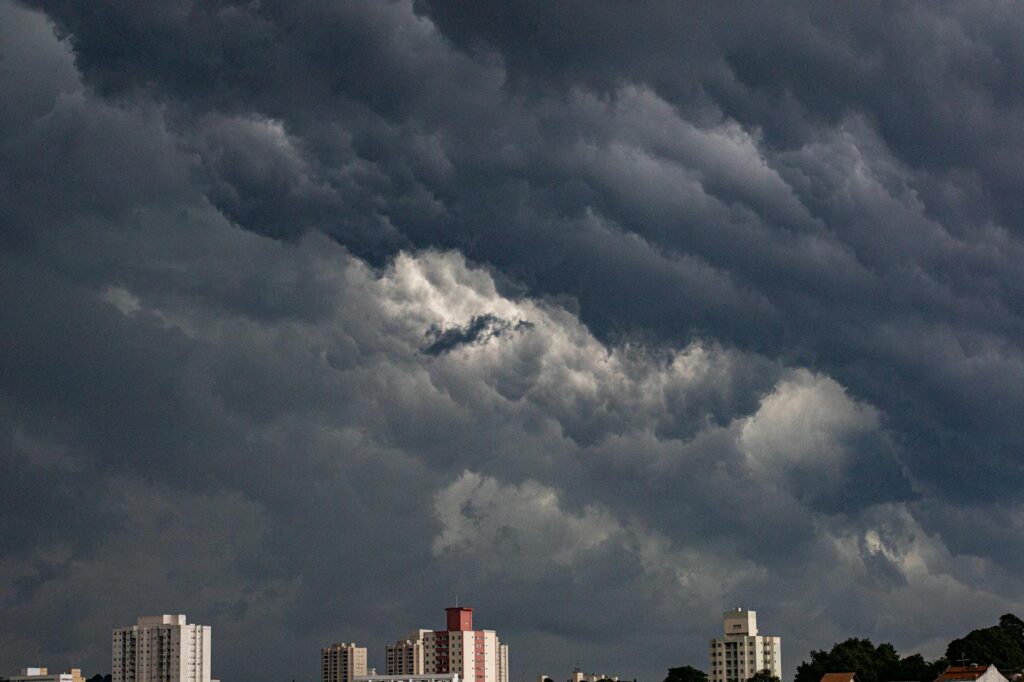

India’s meteorological department (IMD) has issued a heightened weather alert as a potent low‑pressure system moves eastward, bringing widespread rain and thunderstorms across the capital region and the Himalayan foothills. The alert, effective for the next 48 hours, predicts intense downpours, gusty winds, and frequent lightning, especially over Delhi‑NCR, Himachal Pradesh, Uttar Pradesh, and parts of Rajasthan. Residents are urged to stay informed, secure outdoor items, and avoid non‑essential travel. The following report breaks down the forecast, potential disruptions, and recommended precautions, providing a clear picture for commuters, businesses, and emergency services.
Widespread rain and thunderstorms expected
The low‑pressure system, currently centered over northern Pakistan, is set to drift south‑east, drawing moisture from the Bay of Bengal. IMD’s official portal shows a moderate to high probability of precipitation across the affected zones, with localized thunderstorm activity expected after 06:00 GMT on 23 March. In Delhi‑NCR, rainfall totals could reach 50–80 mm, while Himachal’s valleys may see up to 120 mm in isolated pockets.
Impact on transportation and daily life
Heavy rain and lightning pose immediate risks to road, rail, and air travel. The Delhi Metro has warned of possible delays on elevated sections prone to waterlogging, and the Indian Railways anticipates cancellations on several north‑bound trains. Flight operations at Indira Gandhi International Airport may experience short‑term disruptions due to reduced visibility. Urban commuters should consider alternative routes, and drivers are advised to keep headlights on, maintain safe distances, and avoid flooded streets.
Preparedness measures advised by IMD
IMD recommends the following actions for households and businesses:
- Secure loose objects such as garden furniture, awnings, and signage that could become projectiles in strong gusts.
- Stay indoors during peak thunderstorm periods (08:00‑12:00 GMT and 18:00‑22:00 GMT) and avoid using wired electrical appliances.
- Maintain emergency kits with flashlights, batteries, and first‑aid supplies.
- Monitor real‑time updates via the IMD website or reputable news outlets.
Regional variations and detailed forecast
While the overall alert covers a broad area, precipitation intensity varies. The table below summarizes the projected rainfall and thunderstorm probability for key locations as of 22 March 2026.
| Location | Expected Rainfall (mm) | Thunderstorm Probability (%) | Peak Window (GMT) |
|---|---|---|---|
| Delhi | 55–80 | 70 | 08:00‑12:00, 18:00‑22:00 |
| Gurgaon | 45–70 | 65 | 09:00‑13:00, 19:00‑23:00 |
| Shimla | 90–130 | 80 | 07:00‑11:00, 17:00‑21:00 |
| Lucknow | 30–55 | 55 | 10:00‑14:00, 20:00‑00:00 |
Looking ahead: post‑alert outlook
After the 48‑hour window, the system is expected to weaken as it moves further south, bringing a gradual return to normal weather conditions by 26 March. However, residual cloud cover may linger, and isolated showers could persist in higher elevations. Authorities will continue to monitor the situation and issue updates if conditions deteriorate.
Staying informed and taking precautionary steps now can mitigate the short‑term disruptions caused by this intense weather event, ensuring safety for residents across the region.
Image by: Lucas Pezeta
https://www.pexels.com/@lucaspezeta