
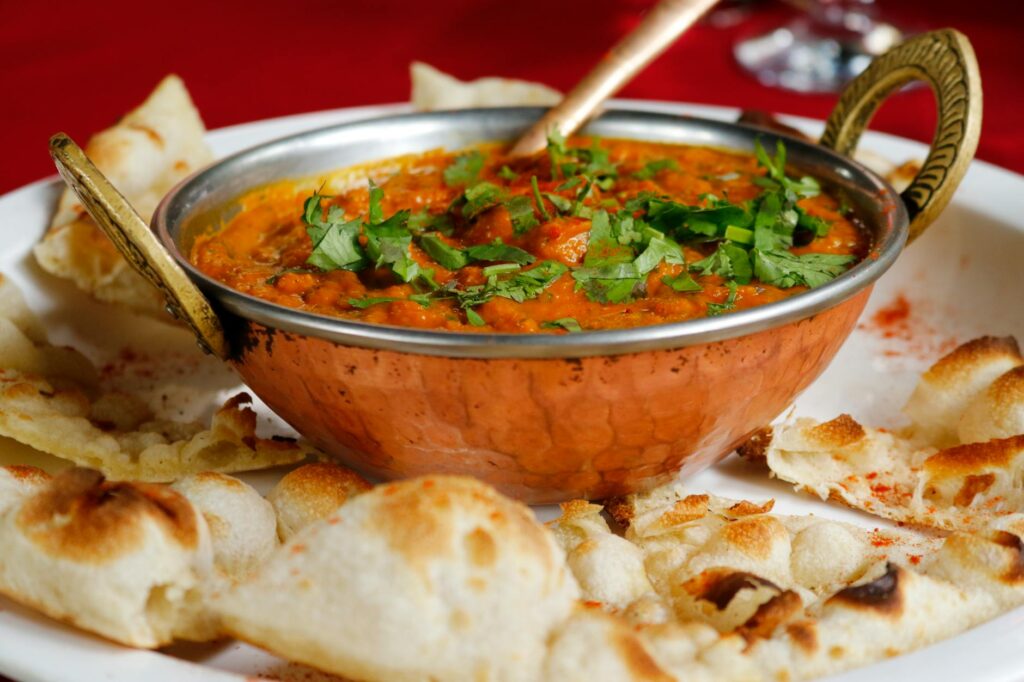

Delhi’s multicultural palate is showcased through its network of state bhawans – government‑run guest houses that double as culinary ambassadors for their home regions. Each bhawan offers a curated menu featuring iconic dishes, allowing residents and visitors to sample authentic flavors without leaving the capital. From the fiery curries of Assam to the buttery delights of Gujarat, these eateries serve as living museums of India’s regional gastronomy. This guide walks you through the most popular bhawans, highlights their must‑have specialties, and provides practical tips for a flavorful tour of the city’s gastronomic heritage.
The concept of state bhawans
Established to accommodate officials and tourists from various states, bhawans have evolved into cultural hubs where food, art, and tradition converge. The Times of India notes that over a dozen bhawans now operate full‑service restaurants, each curating a menu that reflects the culinary identity of its parent state. These venues are especially valuable for newcomers to Delhi, offering a reliable taste of home in a city where food trends change daily.
North‑east flavors in Delhi
The north‑eastern bhawans bring bold, aromatic dishes that stand out amid Delhi’s street‑food frenzy. Assam Bhawan is famed for Masor Tenga – a tangy fish curry balanced with lemon and tomatoes – and its bamboo‑steamed pitha. Manipur Bhawan serves the smoky Eromba, a rice‑based stew with fermented soybeans, while Meghalaya Bhawan offers Jadoh, a fragrant rice‑and‑meat pilaf infused with local herbs. These dishes are not only palate‑pleasing but also showcase sustainable cooking techniques rooted in tribal traditions.
Southern comforts on the capital’s map
Southern bhawans cater to cravings for hearty, rice‑centric meals. Karnataka Bhawan excels with Ragi Mudde, a protein‑rich millet ball served alongside spicy Saagu. Kerala Bhawan draws crowds for its Appam with Stew, a lacy rice pancake paired with a coconut‑laden vegetable stew. Meanwhile, Tamil Nadu Bhawan showcases the iconic Dosa – crisp, fermented crepes – accompanied by a variety of chutneys and Sambar. These offerings provide a comforting reminder of the South’s emphasis on balanced, wholesome meals.
West and central culinary gems
Western and central bhawans bring a mix of street‑style zest and royal indulgence. Gujarat Bhawan is renowned for Undhiyu, a winter vegetable medley slow‑cooked with fenugreek and sesame, while its Shrikhand offers a sweet, creamy finish. Madhya Pradesh Bhawan presents Poha – flattened rice sautéed with mustard seeds, peanuts, and curry leaves – a breakfast staple that fuels the city’s early commuters. Rajasthan Bhawan delights diners with Dal Baati Churma, a robust combination of baked wheat balls, spiced lentils, and sweet crushed wheat, epitomizing desert hospitality.
Quick reference table
| Bhawan | Location | Must‑try dish |
|---|---|---|
| Assam Bhawan | Connaught Place | Masor Tenga |
| Kerala Bhawan | South Delhi | Appam with Stew |
| Gujarat Bhawan | Central Delhi | Undhiyu |
| Madhya Pradesh Bhawan | East Delhi | Poha |
| Rajasthan Bhawan | North Delhi | Dal Baati Churma |
Conclusion
Delhi’s state bhawans act as culinary passports, granting easy access to India’s diverse food heritage. By visiting a handful of these venues, diners can experience the tang of the Northeast, the comfort of the South, and the regal richness of the West and Central regions – all within a single day’s itinerary. Whether you’re a food enthusiast or a casual traveler, the bhawans offer an authentic, affordable, and convenient way to explore the nation’s gastronomic tapestry.
Image by: Marvin Ozz
https://www.pexels.com/@marvin-ozz-1297854