
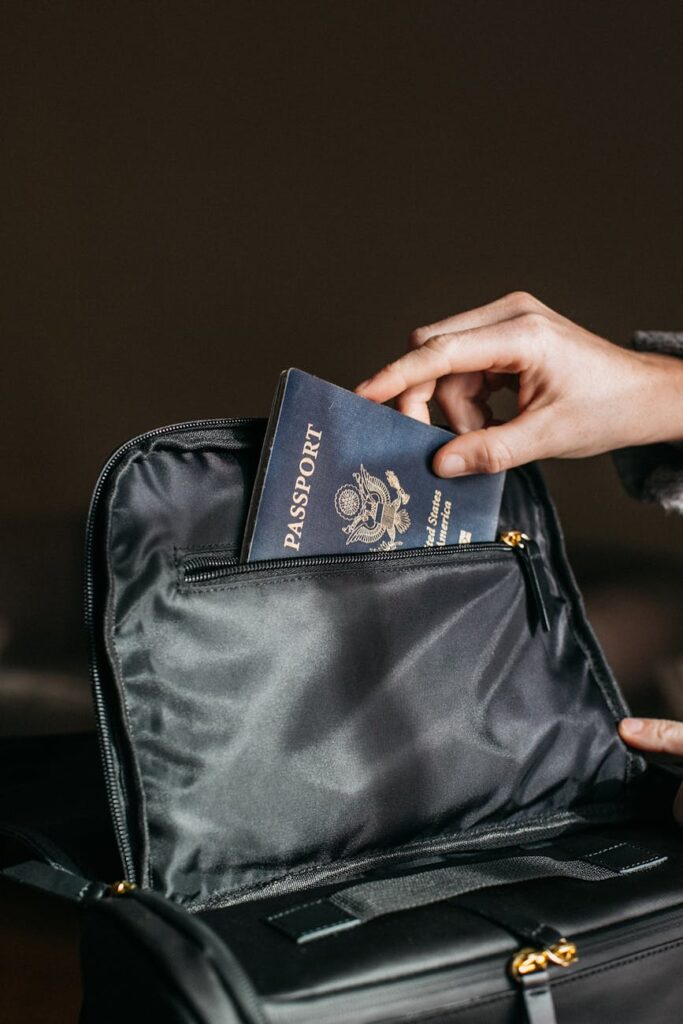

India has launched its first electronic passport (e‑Passport), a digital leap that promises faster processing, enhanced security and a smoother travel experience for millions of citizens. The new passport embeds a contactless chip that stores biometric data, aligning India with global standards set by the International Civil Aviation Organization (ICAO). In the coming weeks the Ministry of External Affairs will open online portals, allowing eligible Indians to apply, pay fees and track their applications from the comfort of their homes. This article walks through who can apply, the step‑by‑step application process, the fee structure, the security upgrades baked into the e‑Passport and the broader impact on Indian travel.
Eligibility and target users
The e‑Passport is initially available to Indian citizens who already hold a valid passport and meet the following criteria:
- Age 18 years or older (minor passports will follow in later phases).
- Clearance of any pending legal or immigration issues.
- Residence in states where the online portal is operational.
Government officials, senior executives and frequent travelers are encouraged to switch early, as the new document offers faster immigration clearance at airports equipped with e‑Passport gates.
How to apply: step‑by‑step guide
Applicants can complete the entire process online through the Passport Seva portal. The workflow is:
- Register an account using a valid email and mobile number.
- Fill out the e‑Passport application form, uploading a recent passport‑size photograph and scanned copies of the existing passport.
- Pay the applicable fee (details below) via credit/debit card, net banking or UPI.
- Schedule an in‑person appointment at the nearest Passport Seva Kendra for biometric capture – the chip is programmed during this visit.
- Track the application status through the portal; the e‑Passport is typically dispatched within 7‑10 working days after verification.
Fee structure and payment options
The government has introduced a tiered fee schedule to keep the service affordable while covering the cost of the embedded chip and additional security layers. Fees are payable in Indian rupees and are non‑refundable.
| Passport type | Validity | Application fee (₹) |
|---|---|---|
| e‑Passport (normal) | 10 years | 1,500 |
| e‑Passport (senior citizen) | 10 years | 1,200 |
| e‑Passport (minor, 5‑15 years) | 5 years | 1,000 |
Payments can be made instantly through the portal’s integrated payment gateway, which accepts all major cards, UPI IDs and net‑banking options.
Key security enhancements and benefits
The e‑Passport incorporates several cutting‑edge security features that dramatically reduce fraud and streamline border control:
- Embedded RFID chip storing the holder’s biometric template (fingerprints and facial data).
- Public Key Infrastructure (PKI) encryption, ensuring data cannot be tampered with.
- Digital signatures that verify the authenticity of the passport at immigration checkpoints.
- Compatibility with e‑Gates at major Indian airports, cutting average processing time from 5‑7 minutes to under 30 seconds.
Travelers also enjoy a reduced risk of document loss, as the chip can be deactivated remotely in case of theft, and a quicker re‑issuance process.
What the rollout means for Indian travelers
Beyond the immediate convenience, the e‑Passport positions India alongside nations that have already adopted ICAO‑compliant travel documents, such as the United States, the United Kingdom and Singapore. This alignment is expected to facilitate smoother visa‑on‑arrival processes and could pave the way for future initiatives like a unified digital identity platform linking the e‑Passport with Aadhaar.
Early adopters are likely to experience shorter queues, fewer manual checks and a higher degree of confidence in the integrity of their travel credentials. As the system scales, the government anticipates a measurable drop in passport‑related fraud cases and a boost to tourism by simplifying cross‑border movement.
For detailed guidelines and real‑time updates, readers should consult the official Ministry of External Affairs website.
Image by: Vinta Supply Co. | NYC
https://www.pexels.com/@vinta-supply-co-nyc-268013