
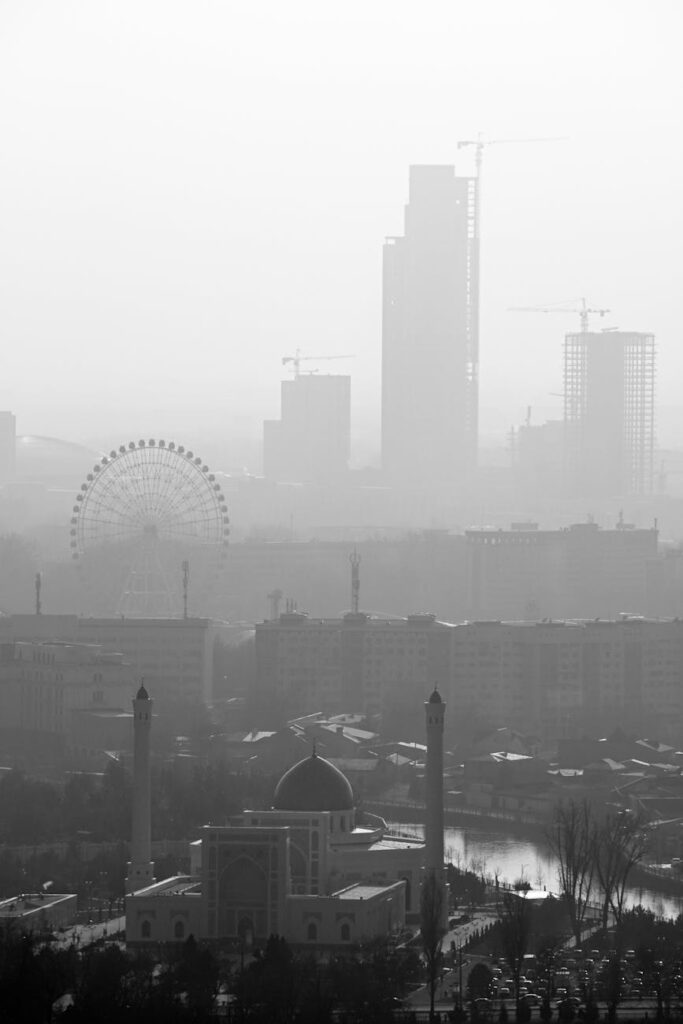

Delhi is once again shrouded in a thick blanket of smog, with the Air Quality Index (AQI) lingering at a ‘very poor’ level of 370, according to the latest readings from the Central Pollution Control Board. The dense haze has reduced visibility to a few metres, disrupting daily commutes, school activities, and outdoor work across the capital. Residents are grappling with the health risks of prolonged exposure to hazardous pollutants, while officials scramble to implement emergency measures. This article examines the data driving the crisis, the immediate health impacts, the effectiveness of government actions, practical steps citizens can take, and the outlook for Delhi’s air quality in the coming weeks.
Rising AQI and the numbers behind the haze
Since early December, Delhi’s AQI has hovered in the “very poor” to “severe” range, peaking at 370 on 18 December 2025. The spike is attributed to a combination of stagnant weather, vehicular emissions, and seasonal crop‑burning in neighboring states. The table below summarizes the AQI readings for the past five days, illustrating the rapid escalation.
| Date | AQI | Primary Pollutants |
|---|---|---|
| 14 Dec 2025 | 210 | PM2.5, NO₂ |
| 15 Dec 2025 | 245 | PM2.5, PM10 |
| 16 Dec 2025 | 280 | PM2.5, SO₂ |
| 17 Dec 2025 | 330 | PM2.5, NO₂ |
| 18 Dec 2025 | 370 | PM2.5, PM10 |
For a detailed, real‑time view, readers can consult the live tracker on the Times of India report.
Health implications for residents
Air quality at this level poses serious threats, especially to children, the elderly, and those with respiratory conditions. Exposure to PM2.5 concentrations above 250 µg/m³ can trigger acute bronchitis, aggravate asthma, and increase the risk of cardiovascular events. The Ministry of Health has issued advisories urging citizens to wear N95 masks, limit outdoor activities, and keep windows closed. Hospitals across the city report a 30 % rise in emergency visits for cough, shortness of breath, and eye irritation since the smog intensified.
Government response and policy gaps
Delhi’s administration has activated the “Sukoon” emergency protocol, deploying additional air‑purifying units at schools and restricting construction activities. However, critics argue that these measures are reactive rather than preventive. The city’s long‑term action plan, drafted in 2023, calls for expanding green belts, tightening vehicular emission norms, and incentivising clean‑fuel adoption, yet implementation remains uneven. Coordination with neighboring states to curb crop‑burning has improved marginally, but satellite data shows continued fire hotspots during the post‑harvest period.
What citizens can do amid the smog
While policy reforms take time, individuals can mitigate personal exposure:
- Wear certified masks: N95 or KN95 masks filter out fine particulate matter.
- Use indoor air purifiers: Devices with HEPA filters can reduce indoor PM2.5 by up to 80 %.
- Limit outdoor exertion: Schedule walks or jogs during early mornings when pollutant levels are slightly lower.
- Stay informed: Follow real‑time AQI updates via mobile apps or the CPCB website.
- Advocate locally: Join community groups that pressure authorities to enforce anti‑burning regulations.
Looking ahead: forecast and long‑term solutions
Weather models predict a brief clearing window on 22‑23 December, after which a cold front may trap pollutants again. Experts stress that without structural changes—such as expanding the metro network, enforcing stricter industrial emission standards, and accelerating the shift to electric vehicles—Delhi will continue to face periodic smog episodes. Sustainable urban planning, combined with regional cooperation on agricultural practices, remains the cornerstone of a healthier, breathable future for the capital.
In summary, Delhi’s current smog episode underscores the urgent need for coordinated action across government, industry, and the public. While short‑term measures provide temporary relief, lasting improvement hinges on decisive policy implementation and community engagement.
Image by: Anna Romanova
https://www.pexels.com/@anna-romanova-1406375