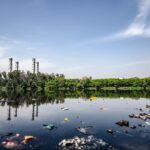


Delhi is once again grappling with hazardous air conditions as the Air Quality Index (AQI) has slipped into the “very poor” category across most parts of the National Capital Region. The latest readings, released by the Central Pollution Control Board, show AQI values soaring above 300 in several monitoring stations, eclipsing the safe threshold of 100. Residents are being urged to limit outdoor activities, while schools and offices consider temporary closures. This article examines the factors behind the surge, the health risks posed, the government’s response, and practical steps citizens can take to protect themselves.
Rising AQI across the capital
The city’s monitoring network recorded a sharp increase in particulate matter (PM2.5) and PM10 concentrations during the past week. The spike aligns with a combination of seasonal weather patterns, vehicular congestion, and ongoing construction activities. Below is a snapshot of AQI readings from key locations on the day the index crossed the very poor mark:
| Location | AQI | Category |
|---|---|---|
| Connaught Place | 312 | Very poor |
| Dwarka | 298 | Very poor |
| North Delhi | 285 | Very poor |
| East Delhi | 274 | Very poor |
These figures are markedly higher than the moderate levels (AQI 51‑100) that Delhi typically enjoys during the post‑monsoon period.
Health implications of very poor air
When AQI breaches the 300 mark, the air is classified as hazardous. Short‑term exposure can trigger:
- Respiratory distress and aggravation of asthma.
- Eye irritation and increased susceptibility to infections.
- Cardiovascular strain, especially in the elderly and those with pre‑existing conditions.
Long‑term exposure to such concentrations of fine particulate matter is linked to chronic bronchitis, reduced lung function, and even premature mortality. The World Health Organization estimates that air pollution contributes to over 4 million premature deaths globally each year, with Indian megacities bearing a disproportionate share.
Government measures and policy response
Delhi’s administration has activated its emergency air‑quality protocol. Key actions include:
- Temporarily halting construction activities in high‑density zones.
- Increasing the frequency of odd‑even vehicle restrictions.
- Deploying additional air‑purifying units in schools and hospitals.
- Issuing real‑time alerts via the CPCB AQI app to keep citizens informed.
Critics argue that these steps are reactive rather than preventive, urging a faster transition to electric public transport and stricter enforcement of industrial emission norms.
What residents can do
While authorities grapple with macro‑level solutions, individuals can mitigate personal exposure by adopting simple habits:
- Stay indoors during peak pollution hours (8 am–11 am and 5 pm–8 pm).
- Use HEPA or activated‑carbon air purifiers at home and work.
- Wear N95 or higher‑grade masks when venturing outside.
- Limit strenuous outdoor activities, especially for children and the elderly.
- Plant indoor greenery such as snake plant or spider plant to help filter indoor air.
Conclusion
The recent plunge of Delhi’s AQI into the very poor category underscores a persistent challenge: balancing rapid urban growth with sustainable environmental stewardship. Immediate health risks demand swift protective measures from both the government and citizens. However, lasting improvement hinges on structural reforms—expanding clean‑energy transport, tightening industrial emissions, and enhancing green cover across the metropolis. Until such systemic changes take root, Delhi’s residents must remain vigilant, equipped, and proactive in safeguarding their health against the invisible menace of polluted air.
Image by: Nazım can Pirinç
https://www.pexels.com/@nazim-can-pirinc-84746543