
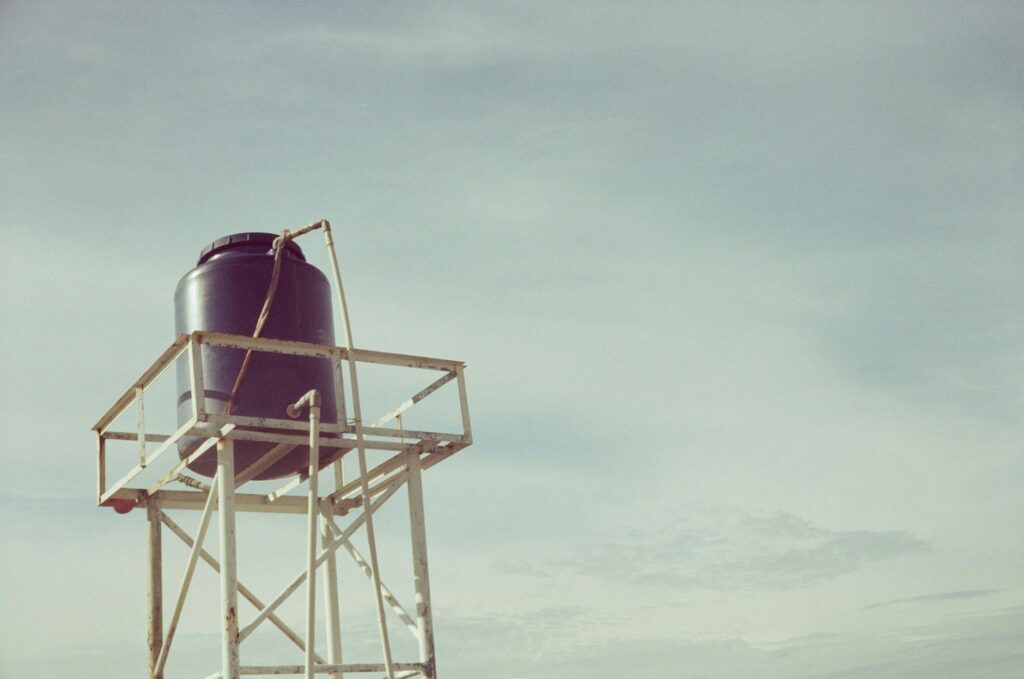

Delhi residents of several neighborhoods are bracing for an extended water outage after a major pipeline burst was reported early this week. The damage, confirmed by the Delhi Jal Board, has forced authorities to shut off supply to protect the network and prevent contamination. While repair crews are mobilised, the disruption is expected to last several days in the most affected colonies. This article examines the locations hit, the timeline for restoration, the underlying causes of the failure, and the steps officials are taking to mitigate inconvenience for millions of water‑dependent households.
Areas hit by the outage
The following localities have been listed by the Delhi Jal Board as facing supply interruptions:
- Dwarka Sector 12‑14
- Janakpuri West (near Janakpuri B Block)
- Rohini Sector 15‑16
- Najafgarh (near Najafgarh Police Station)
- Uttam Nagar (Phase 2)
Residents in these zones have been advised to store water and use alternative sources until the pipeline is repaired.
Estimated restoration timeline
Based on statements from the board’s senior engineer, the repair schedule is as follows:
| Location | Expected restoration |
|---|---|
| Dwarka | 24‑48 hours |
| Janakpuri | 48‑72 hours |
| Rohini | 72‑96 hours |
| Najafgarh | 96‑120 hours |
| Uttam Nagar | 120‑144 hours |
All dates are calculated from 7 January 2026, the day the breach was detected.
Why the pipeline failed
Preliminary investigations point to three contributing factors:
- Ageing infrastructure – many of Delhi’s water mains were installed in the 1970s and have exceeded their design life.
- Ground movement – recent construction activity in the affected zones has caused minor shifts in the soil, stressing the pipe walls.
- Corrosion – inadequate protective coating has allowed rust to weaken the metal, making it vulnerable to rupture.
The board plans to conduct a comprehensive audit of the city’s water network within the next quarter to prioritise replacement projects.
What residents can do
While officials work on repairs, households can mitigate the impact by following these simple steps:
- Store clean water in clean containers for drinking and cooking.
- Use boiled water for personal hygiene if the supply is uncertain.
- Report any leaks or unusual water pressure changes to the Delhi Jal Board helpline 1800‑180‑010.
- Stay updated through the board’s official website and social media channels.
Community centres in the affected areas have also been set up as temporary water distribution points.
Conclusion
The recent pipeline rupture highlights the pressing need for systematic upgrades to Delhi’s aging water infrastructure. Although the immediate disruption will inconvenience thousands, the coordinated response by the Delhi Jal Board—ranging from rapid repair crews to public advisories—aims to restore service swiftly. Long‑term, the city must accelerate its pipe‑replacement programme and enforce stricter monitoring of construction activities near critical utilities to prevent similar incidents. Residents are urged to stay informed, conserve water, and cooperate with authorities as the restoration effort unfolds.
Image by: Sasha P
https://www.pexels.com/@sashmere