
Delhi’s hospitals have reported a sudden spike in patients suffering from respiratory ailments over the past 48 hours, a trend that health officials attribute to a confluence of poor air quality, abrupt temperature changes, and heightened allergen levels. The surge, documented by multiple medical centres across the capital, underscores the city’s chronic struggle with pollution and raises urgent questions about emergency preparedness, public awareness, and long‑term policy solutions. As the capital grapples with this health emergency, experts are calling for immediate mitigation measures while urging policymakers to address the underlying environmental drivers.
Rising tide of respiratory cases
Emergency departments in Delhi’s leading hospitals, including the facilities cited in recent reports, have recorded a 35‑40% increase in admissions for asthma, bronchitis, and chronic obstructive pulmonary disease (COPD) compared with the weekly average. Doctors note that many patients present with severe shortness of breath, wheezing, and chest tightness, requiring immediate oxygen therapy and, in some cases, intensive care.
Weather and pollution: a lethal mix
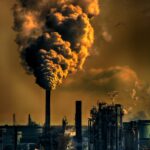
The abrupt rise coincides with a sudden dip in temperature and a spike in particulate matter (PM2.5) levels, which breached the National Air Quality Index’s “severe” category. Meteorologists explain that a stagnant air mass trapped pollutants close to the ground, while a rise in pollen counts added an allergic component to the respiratory burden. The combination of high PM2.5, nitrogen dioxide, and ozone creates an environment where even previously healthy individuals experience acute symptoms.
Hospital response and capacity strain
Hospitals have activated emergency protocols, reallocating beds, and calling in additional staff. Some private clinics report turning away non‑critical cases to preserve resources for severe patients. The Delhi government has dispatched mobile oxygen units and is coordinating with the National Disaster Management Authority to monitor ICU occupancy in real time. Yet, officials acknowledge that the existing infrastructure is stretched, highlighting the need for a more robust surge capacity plan.
Public health advisories and preventive steps
Health authorities have issued immediate advisories urging citizens to limit outdoor activity, wear N95 masks, and use air purifiers where possible. Vulnerable groups—children, the elderly, and those with pre‑existing lung conditions—are advised to stay indoors during peak pollution hours (7‑10 am and 5‑8 pm). Pharmacies report a surge in sales of bronchodilators, antihistamines, and over‑the‑counter inhalers, reflecting heightened public awareness.
Looking ahead: policy and mitigation
Long‑term solutions remain at the forefront of the debate. Environmental experts call for stricter vehicular emission norms, accelerated transition to renewable energy, and expanded green corridors to absorb pollutants. Meanwhile, the health sector is pushing for an integrated surveillance system that links air‑quality monitoring with hospital admission data, enabling faster alerts and targeted interventions.
In summary, the recent surge in respiratory patients in Delhi is a stark reminder of the city’s vulnerability to air‑quality crises. While immediate medical response has averted a larger catastrophe, sustainable mitigation—through stricter environmental policies, enhanced healthcare preparedness, and informed public behavior—will be essential to protect the health of millions in the capital.
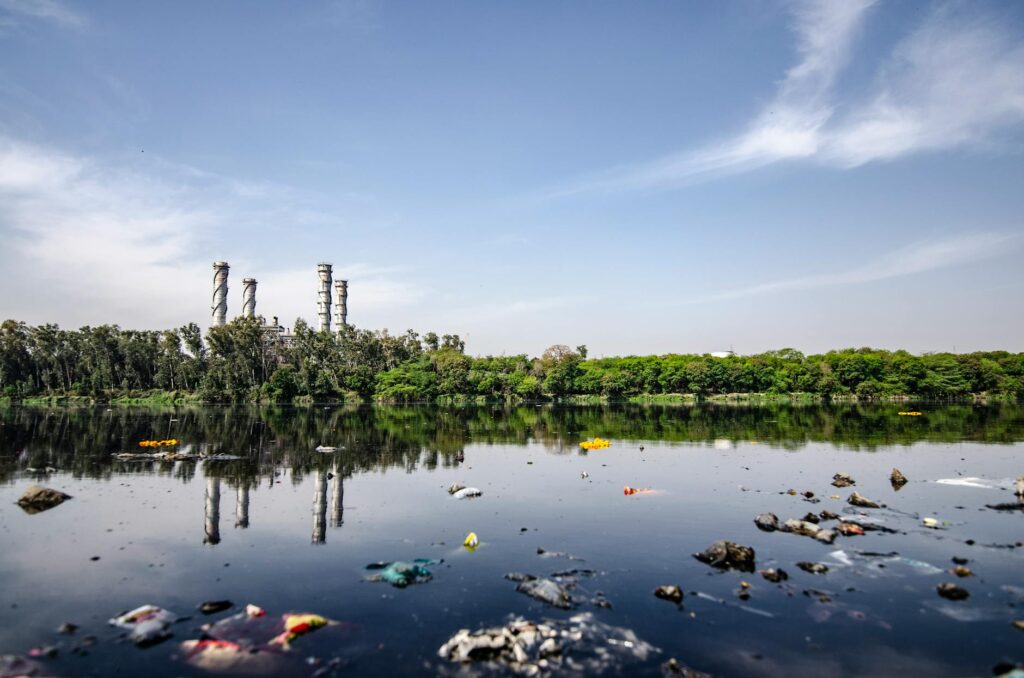
Image by: Yogendra Singh
https://www.pexels.com/@yogendras31