
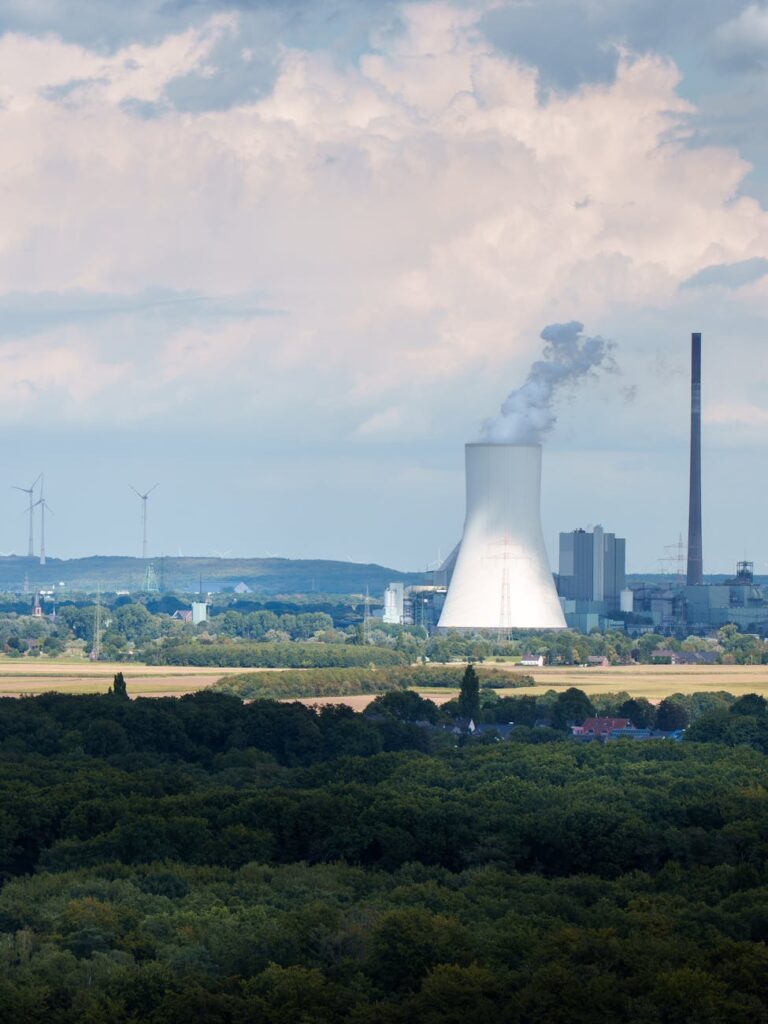

Delhi’s air quality crisis has reached a tipping point, prompting the capital’s Pollution Control Board to draft a sweeping proposal that would halt the establishment of new coal‑based power plants in 24 districts across four neighboring states. The move, announced in early December 2025, aims to curb the surge in particulate matter that regularly pushes the city into the hazardous zone. By targeting regions that feed into Delhi’s smog envelope, officials hope to create a buffer that can significantly improve public health and meet the national air‑quality standards. This article unpacks the policy’s scope, the areas most affected, the anticipated health benefits, and the reactions from industry and politicians.
Policy shift and its scope
The proposed ban is part of a broader “Clean Air Corridor” initiative, which seeks to eliminate fresh sources of coal‑derived emissions within a 150‑kilometre radius of Delhi. The draft order, circulated among state governments, stipulates that no new coal‑fired thermal units—whether standalone or co‑located with industrial complexes—may receive clearance after 31 March 2026. Existing plants will be required to adopt stricter emission controls, and any pending clearances are automatically withdrawn. The policy aligns with the UNEP’s 2025 air‑quality targets for South Asia.
Affected regions and statistics
The ban targets four states—Uttar Pradesh, Haryana, Rajasthan, and Madhya Pradesh—covering a total of 24 districts that contribute significantly to Delhi’s smog load. According to the latest data from the Central Pollution Control Board (CPCB), these districts collectively host 57 operational coal plants, accounting for roughly 22 % of the particulate matter that drifts into the National Capital Region (NCR). The table below summarises the key figures as of 18 December 2025:
| State | Districts affected | Existing coal plants | Average annual PM2.5 (µg/m³) |
|---|---|---|---|
| Uttar Pradesh | 9 | 22 | 85 |
| Haryana | 5 | 12 | 78 |
| Rajasthan | 6 | 13 | 71 |
| Madhya Pradesh | 4 | 10 | 69 |
These districts also rank among the highest in terms of black carbon emissions, a potent contributor to both climate warming and respiratory ailments.
Health and environmental implications
Research by the Indian Council of Medical Research (ICMR) links a 10 µg/m³ rise in PM2.5 to a 6 % increase in cardiovascular mortality. By curbing new coal projects, the ban could prevent an estimated 12,000 premature deaths annually in the NCR and surrounding regions. Moreover, reduced sulfur dioxide (SO₂) and nitrogen oxides (NOₓ) will mitigate acid rain incidents that damage agricultural soils in the adjoining states.
Political and industrial response
State governments have expressed mixed reactions. While the Haryana administration praised the move as “a decisive step for public health,” Uttar Pradesh’s chief minister warned of potential “job losses for over 15,000 workers” in the coal sector. Industry bodies, including the Confederation of Indian Industry (CII), have urged the central government to provide transition assistance, such as incentives for renewable‑energy projects and reskilling programmes.
Path forward and enforcement
Implementation will hinge on a joint monitoring framework involving the Delhi Pollution Control Committee, the CPCB, and the four state pollution boards. The proposal mandates quarterly audits, real‑time emissions reporting via the National Air Quality Monitoring Network, and penalties up to ₹5 crore for violations. If adopted, the ban could serve as a template for other megacities grappling with cross‑border pollution.
Conclusion
The proposed prohibition on new coal‑based plants across 24 districts marks a pivotal shift in India’s approach to tackling trans‑regional air pollution. By targeting the primary sources feeding Delhi’s smog, the policy promises measurable health benefits, aligns with international air‑quality goals, and signals a growing political will to prioritize clean energy. However, its success will depend on coordinated enforcement, adequate support for affected workers, and sustained investment in renewable alternatives. If these challenges are met, Delhi could emerge as a model for urban‑environmental governance in the subcontinent.
Image by: Jakub Zerdzicki
https://www.pexels.com/@jakubzerdzicki