
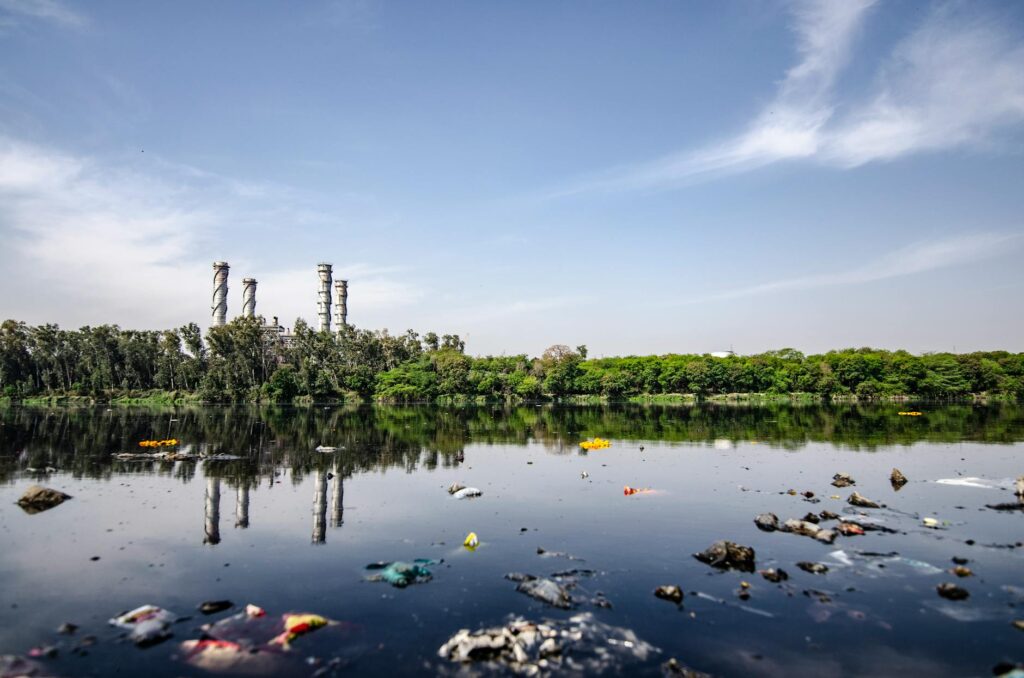

Delhi’s municipal water board has issued a stark warning: taps across the national capital are expected to run dry for up to two days, with the historic neighborhoods of Chandni Chowk and Civil Lines on the front line. The alert, released on LiveMint, cites a confluence of low reservoir levels, delayed monsoon inflows and ongoing pipe‑maintenance work. As millions of residents brace for a sudden scarcity, city officials are scrambling to coordinate emergency supplies, public‑information campaigns, and short‑term conservation measures. This article unpacks the causes, the areas most at risk, practical steps households can take, and the longer‑term policy questions that the crisis raises.
Water alert triggers citywide response
Delhi’s water distribution network, which serves over 20 million people, operates on a delicate balance of reservoir storage, river intakes and a web of aging pipelines. When the Delhi Jal Board (DJB) projected a shortfall of approximately 30 percent of its daily supply, it immediately issued a “water emergency” notice. The notice mandates a temporary cut‑off in non‑essential zones while prioritising critical services such as hospitals, schools and major commercial hubs. Police, municipal crews and the army have been mobilised to monitor water tankers, enforce rationing rules, and disseminate real‑time updates through mobile alerts and social media.
Why the taps will run dry
Three interlocking factors have converged to create the current crisis:
- Depleted reservoirs: The Upper Yamuna and Bhakti Sagar reservoirs are at historic lows, holding just 45 % of their capacity after a weak monsoon season.
- Infrastructure bottlenecks: Decades‑old pipelines suffer from leaks that waste up to 20 % of the water before it reaches households.
- Maintenance shutdowns: Ongoing rehabilitation of the main distribution trunk in North Delhi requires a temporary diversion of flow, further straining the system.
Combined, these issues force the DJB to impose a controlled “dry‑run” in selected zones, a measure rarely used in the city’s recent history.
Areas hit hardest: Chandni Chowk and Civil Lines
The historic core of Old Delhi, especially the bustling market lanes of Chandni Chowk, and the upscale residential enclave of Civil Lines, have been earmarked for the most severe restrictions. The table below summarises the expected outage windows for the two districts:
| Area | Outage period (2026‑01‑09 to 2026‑01‑10) | Key concerns |
|---|---|---|
| Chandni Chowk | 48 hours, intermittent supply after 06:00 hrs on Jan 9 | Food‑processing stalls, narrow alleys, limited storage capacity |
| Civil Lines | 48 hours, complete shut‑off from 00:00 hrs on Jan 9 | High‑rise apartments, schools, private clinics |
Residents in these zones are advised to fill containers early, avoid non‑essential washing, and report any illegal water‑hoarding to local authorities.
What residents can do
While the city’s emergency response will bring tankers to critical points, households can mitigate the impact by adopting a few simple practices:
- Store water safely: Use clean, food‑grade containers and keep them covered.
- Prioritise essential uses: Drinking, cooking and personal hygiene should come first; defer laundry and garden watering.
- Reuse grey‑water: Collect rinse water for flushing toilets or cleaning floors.
- Monitor official channels: Follow DJB alerts on the official website and local news for real‑time updates.
Looking ahead: policy and infrastructure lessons
The two‑day dry‑run is a warning sign that Delhi’s water future hinges on strategic reforms. Experts point to three priority actions:
- Accelerated pipe‑replacement programmes to curb leakage losses.
- Rainwater harvesting mandates for new constructions, expanding the city’s “green‑water” buffer.
- Integrated demand‑management policies, including tiered pricing that incentivises conservation.
Without decisive investment, the capital risks facing longer, more frequent shortages, especially as climate variability intensifies.
Conclusion
The imminent two‑day tap dryout in Delhi underscores the fragility of an overstretched water network. Immediate actions—ranging from emergency tankers to household conservation—will ease the short‑term crunch, but lasting resilience demands systemic upgrades, smarter demand‑side policies, and a cultural shift toward water stewardship. As Chandni Chowk’s market stalls and Civil Lines’ apartment blocks brace for the outage, the city’s response will serve as a litmus test for how India’s megacities can adapt to an increasingly water‑scarce future.
Image by: Yogendra Singh
https://www.pexels.com/@yogendras31