
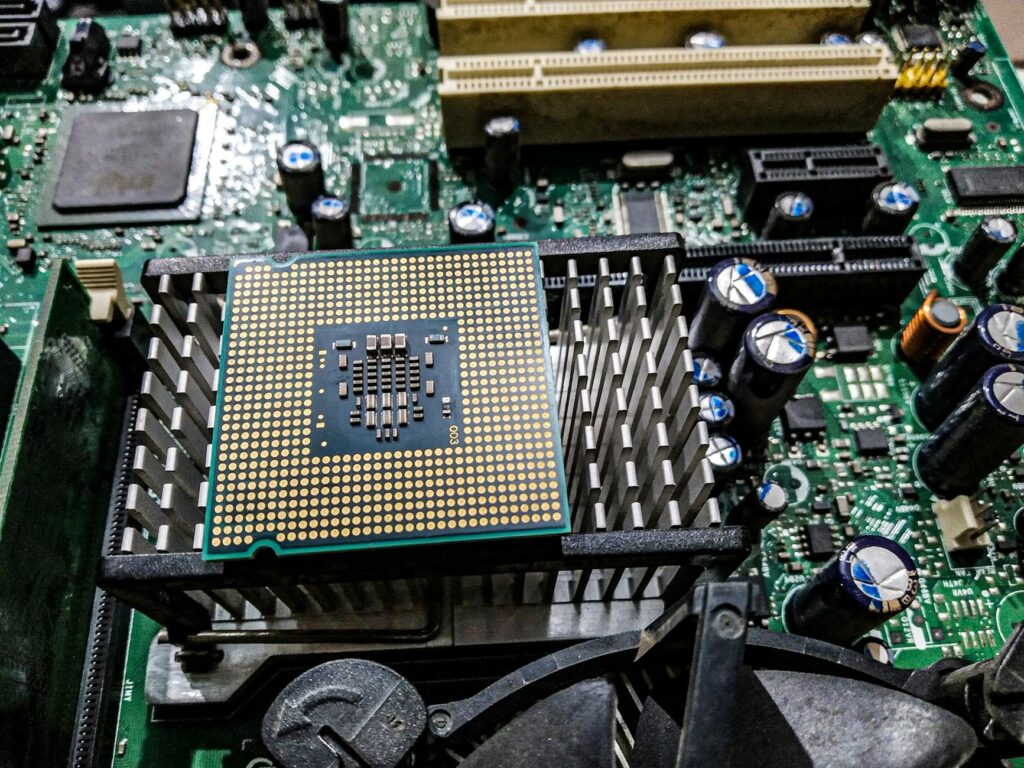

India’s quest for a self‑reliant semiconductor ecosystem has taken a decisive step forward with the unveiling of the Dhruv64 microprocessor. Conceived by a consortium of Indian research institutes and industry partners, the chip aims to replace imported processors in critical sectors such as defence, aerospace, and high‑performance computing. The development reflects a broader policy drive to secure supply chains, reduce dependence on foreign technology, and nurture domestic expertise. In this article we explore the strategic motivations, technical architecture, performance metrics, production plans, and the wider implications of Dhruv64 for the nation’s tech sovereignty.
The strategic push behind homegrown silicon
In recent years, the Indian government has launched multiple initiatives—most notably the Ministry of Electronics and Information Technology’s ‘Make in India’ semiconductor scheme and the Defence Production Policy—to accelerate indigenous chip design. The Dhruv64 project, funded jointly by the Department of Defence Research and Development (DRDO) and the Centre for Development of Advanced Computing (C‑DAC), is a flagship outcome of these efforts. By targeting mission‑critical workloads that cannot tolerate foreign supply disruptions, the processor aligns with national security priorities while also creating a platform for commercial innovation.
Architecture and design philosophy of Dhruv64
Built on a 64‑bit RISC‑V instruction set, Dhruv64 adopts a modular, scalable architecture that can be customized for diverse workloads. Key design choices include:
- Open‑source ISA: Leveraging RISC‑V reduces licensing costs and encourages community‑driven enhancements.
- Heterogeneous cores: A mix of high‑performance and low‑power cores enables dynamic power management for AI inference, signal processing, and real‑time control.
- Security extensions: Integrated cryptographic engines and secure boot mechanisms meet defence‑grade requirements.
The chip is fabricated on a 22‑nm FinFET process offered by a domestic foundry, marking a significant step away from reliance on older 45‑nm technologies imported from abroad.
Performance benchmarks and real‑world applications
Early testing shows that Dhruv64 can rival mid‑range foreign competitors in both compute throughput and energy efficiency. The table below summarizes the latest benchmark figures (as of December 2025) against two reference processors.
| Metric | Dhruv64 | Arm Cortex‑A78 | Intel Xeon E‑2224 |
|---|---|---|---|
| Core count | 8 (4P+4E) | 8 | 4 |
| Base frequency | 2.2 GHz | 2.6 GHz | 3.4 GHz |
| Peak FP64 performance | 1.8 TFLOPS | 1.5 TFLOPS | 2.2 TFLOPS |
| Power consumption (typical) | 12 W | 15 W | 80 W |
| Target applications | Defense avionics, AI edge, scientific computing | Mobile, consumer IoT | Data‑center, enterprise servers |
These results have already attracted interest from the Indian Air Force for flight‑control systems, as well as from domestic AI startups seeking a secure, low‑latency inference engine.
Production roadmap and ecosystem support
The initial volume production is slated for Q3 2026 at the Indian Semiconductor Manufacturing Corp. (ISMC) plant in Bangalore. To ensure a vibrant ecosystem, the project includes:
- A developer kit with open‑source toolchains (GCC, LLVM) and SDKs for AI, cryptography, and real‑time OS.
- Partnerships with local universities for curriculum integration and research grants.
- Certification pathways for safety‑critical standards (DO‑254, IEC 61508).
By aligning hardware availability with software support, the Dhruv64 aims to create a self‑sustaining supply chain that can scale from prototype to mass market within three years.
Looking ahead: implications for India’s tech sovereignty
Beyond its immediate technical merits, Dhruv64 serves as a proof‑point that India can design, fabricate, and certify complex silicon domestically. The chip’s success could catalyze further investments in advanced nodes, stimulate a domestic IP ecosystem, and reduce the strategic vulnerability associated with foreign chip imports. Moreover, a home‑grown processor opens avenues for export to allied nations seeking secure hardware, potentially turning India into a regional hub for trusted computing.
Conclusion
From its policy‑driven origins to its emerging performance credentials, the Dhruv64 microprocessor embodies India’s ambition to master critical technology stacks. Its open‑source RISC‑V foundation, security‑first design, and localized production roadmap position it as a viable alternative to imported chips in defence, AI, and high‑performance domains. As the ecosystem matures, Dhruv64 could become the cornerstone of a broader sovereign semiconductor strategy, reshaping the country’s technological landscape and reinforcing its strategic autonomy.
Image by: Yogendra Singh
https://www.pexels.com/@yogendras31