

Every January, the Consumer Electronics Show (CES) becomes the world’s launchpad for the next wave of technology. 2026 was no exception, delivering a dazzling array of innovations that promise to redefine how we live, work, and play. From ultra‑thin smart displays that double as art pieces to AI‑powered health monitors that anticipate medical issues before they surface, the awards highlighted 27 products that stood out for design, functionality, and forward‑thinking engineering. In this article we unpack the most compelling categories, spotlight the standout devices, and explore why these inventions matter for consumers and the industry alike.
Smart home revolution
The smart‑home sector showed a decisive shift toward seamless integration and aesthetic harmony. The CES official site featured the EchoSphere Hub, a spherical voice‑assistant that blends into any décor while supporting Matter and Thread protocols. Another highlight was the SolarSkin Window, a transparent solar panel that powers connected devices without sacrificing natural light. Together, these products illustrate a trend: homes becoming quieter, greener, and more intuitively responsive.
Wearables and health tech
Health‑focused wearables moved beyond step counting. The PulseSense Pro uses multi‑spectral sensors to monitor blood glucose, hydration, and stress hormones in real time, sending alerts to a companion app that suggests lifestyle tweaks. Meanwhile, the FlexBand XR introduced a flexible OLED display that wraps around the wrist, delivering high‑resolution notifications without a rigid screen. These devices signal a future where personal health data is continuous, accurate, and actionable.
AI‑driven entertainment
Artificial intelligence took center stage in home entertainment. The Visionary 8K TV leverages on‑device AI to upscale legacy content, delivering near‑native 8K quality without an internet connection. In the audio realm, the SoundSphere 360 creates immersive sound fields by mapping room acoustics in real time, allowing users to experience cinema‑grade audio from a single speaker unit. AI is no longer a background feature; it now drives core performance and user experience.
Mobility and robotics
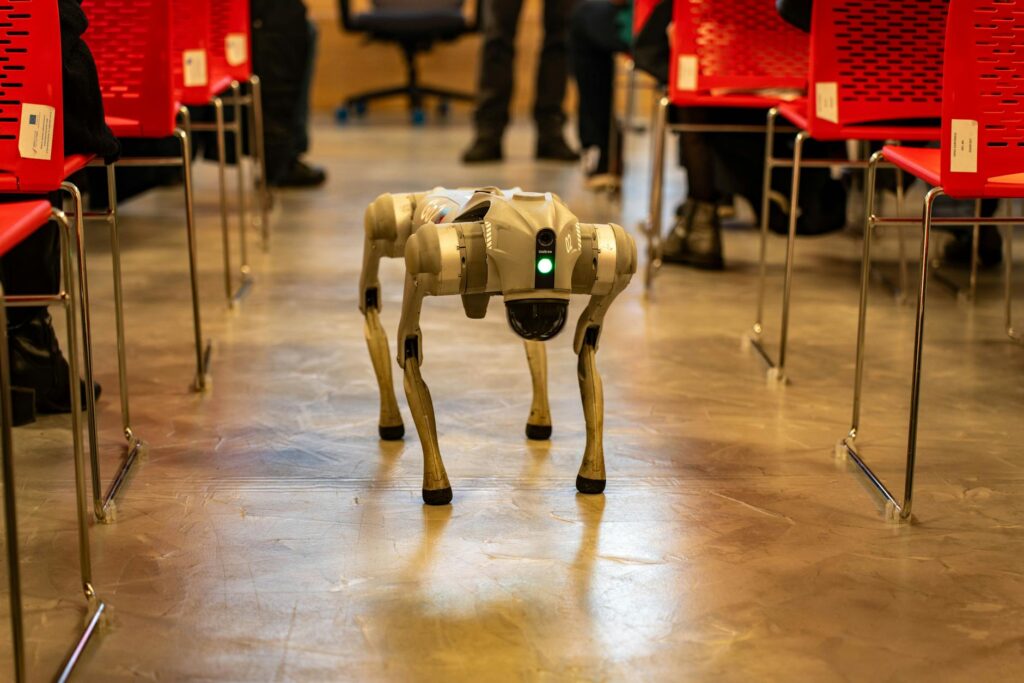
Mobility solutions showcased unprecedented autonomy and sustainability. The GlideX Scooter combines a lightweight carbon‑fiber frame with a self‑balancing AI system that adjusts to rider weight and road conditions. In robotics, the HomeHelper Bot demonstrated a modular design that can switch between cleaning, pet‑care, and elder‑assistance roles using interchangeable toolheads. These innovations point to a future where personal transport and household robots adapt fluidly to daily needs.
Key awards at a glance
| Rank | Device | Category | Signature feature |
|---|---|---|---|
| 1 | EchoSphere Hub | Smart home | Matter‑compatible spherical design |
| 2 | PulseSense Pro | Wearables | Multi‑spectral health monitoring |
| 3 | Visionary 8K TV | Entertainment | AI‑driven upscaling to native 8K |
| 4 | GlideX Scooter | Mobility | Self‑balancing AI system |
| 5 | HomeHelper Bot | Robotics | Modular tool‑head platform |
Conclusion
CES 2026 reinforced that the most compelling technology is the kind that blends into everyday life while delivering measurable benefits. From homes that generate their own power to wearables that act as personal clinicians, the 27 award‑winning gadgets illustrate a clear industry direction: integration, intelligence, and sustainability. As these products move from showcase to store shelves, consumers can expect a wave of devices that not only entertain but also enhance health, efficiency, and environmental stewardship. The future unveiled at CES is already in motion, and the next few years will reveal just how deeply these innovations reshape our world.
Image by: Vladimir Srajber
https://www.pexels.com/@vladimirsrajber