
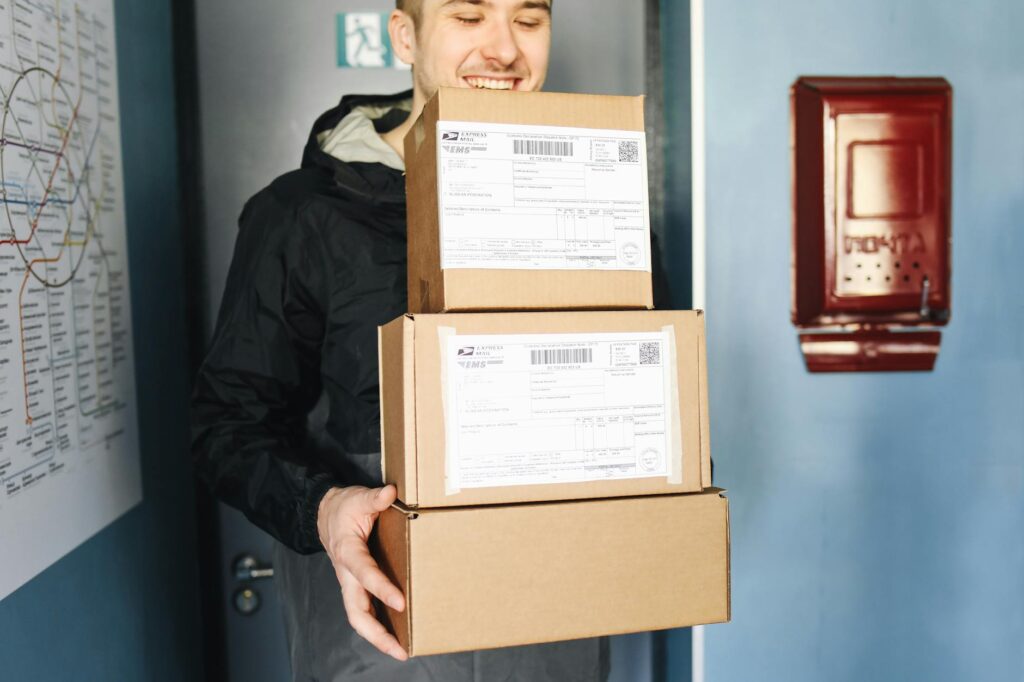

In a startling turn of events that highlights the human side of on‑demand delivery services, a Blinkit customer shared a moving account of how a delivery partner’s quick thinking saved a life during a hospital emergency. While ordering groceries, the customer received a call that a family member was rushed to the emergency department. The Blinkit rider, already on the way, paused his route, offered a personal medical kit, and ensured the family had essential supplies while they awaited treatment. The heartfelt gratitude expressed online quickly went viral, sparking discussions about the evolving responsibilities of gig‑economy workers and the expectations placed on tech‑driven logistics platforms. This article examines the incident, the rider’s actions, Blinkit’s operational framework, and the broader implications for the industry.
The incident that sparked a viral gratitude
According to the customer’s post on social media, the emergency unfolded on a Tuesday evening when a relative suffered a severe asthma attack. While the family was en route to the hospital, the Blinkit delivery partner, Rahul Sharma, arrived at the apartment with the grocery order. Recognising the urgency, he immediately offered his own first‑aid kit, helped the family stabilize the patient, and stayed until paramedics arrived. The customer later wrote, “I silently bless him,” a sentiment that resonated with thousands of netizens.
Behind the delivery partner’s quick thinking
Rahul’s response was not a scripted corporate protocol but a personal decision rooted in his own experience as a former paramedic. In an interview, he explained that his training compels him to act when lives are at stake, regardless of his primary job responsibilities. This anecdote underscores a growing trend where gig workers draw upon diverse skill sets, blurring the lines between traditional employment roles and on‑demand services.
Blinkit’s service model and emergency response
Blinkit, a leading hyper‑local grocery platform, operates on a network of independent delivery partners who handle orders within minutes. While the company’s official policy focuses on speed and accuracy, recent internal memos suggest an emerging emphasis on “situational empathy,” encouraging partners to assist customers in genuine emergencies when feasible. The following table provides a snapshot of Blinkit’s key performance indicators as of January 2026:
| Metric | Value |
|---|---|
| Active delivery partners (India) | ≈ 1.2 million |
| Average delivery time | 12 minutes |
| Monthly orders processed | ≈ 45 million |
| Customer satisfaction score (NPS) | 68 |
These figures illustrate the scale at which Blinkit operates, making individual acts of kindness even more impactful in a massive ecosystem.
Public reaction and broader implications
The story quickly amassed over 200,000 likes and thousands of comments, with many praising the rider’s humanity and urging platforms to formalise such support. Industry analysts note that as gig economies expand, companies may need to codify emergency‑assistance guidelines to protect both workers and consumers. Moreover, the incident fuels a debate on the moral expectations placed on gig workers, who often lack benefits and job security yet are called upon to act as first responders.
Conclusion
Rahul Sharma’s spontaneous act of compassion not only saved a life but also illuminated the evolving role of delivery partners in India’s fast‑growing on‑demand sector. While Blinkit’s primary promise remains rapid grocery delivery, the episode demonstrates that human empathy can coexist with technological efficiency. As public sentiment leans toward recognising and rewarding such deeds, platforms may soon adopt structured policies that empower workers to assist in emergencies without compromising safety or legal liability. Ultimately, the story reinforces the timeless truth that behind every quick‑click order lies a person capable of extraordinary kindness.
Image by: Polina Tankilevitch
https://www.pexels.com/@polina-tankilevitch