
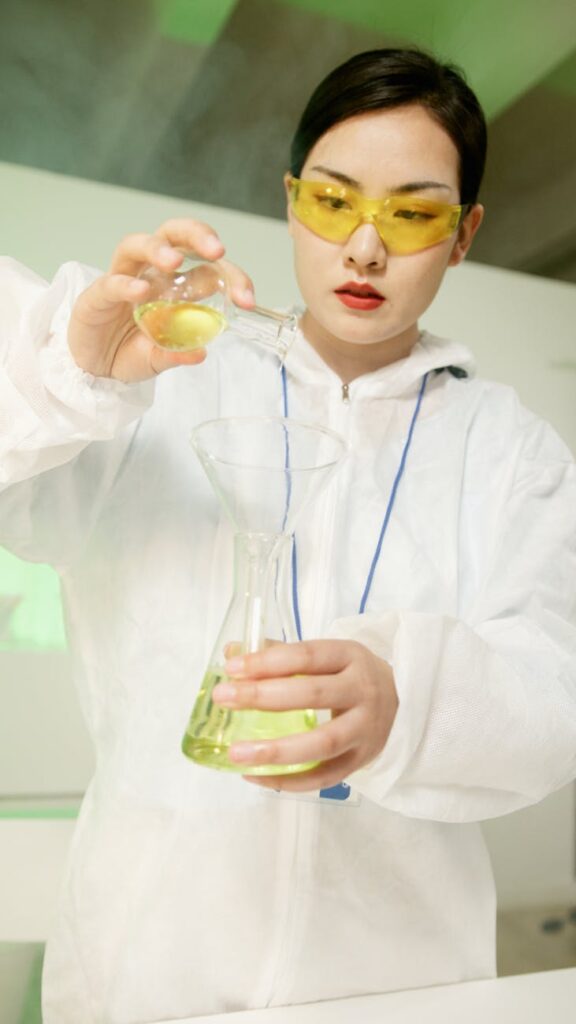

In a bold move to nurture interdisciplinary talent, the Central Electrochemical Research Institute (CERi) has launched a new Biotechnology Fellowship program. Aimed at recent graduates and early‑career scientists, the fellowship blends cutting‑edge electrochemical research with modern biotechnological applications, offering a unique platform for innovation in areas such as bio‑sensing, renewable energy, and medical diagnostics. Over the next few sections we explore the institute’s legacy, the fellowship’s structure, the research themes, the application mechanics, and the broader impact this initiative could have on India’s scientific ecosystem.
Overview of CERi and its research mandate
Established in 1953, CERi is a premier laboratory under the Council of Scientific and Industrial Research (CSIR). While historically renowned for electrochemical studies, the institute has progressively expanded into bio‑electrochemical interfaces, nanomaterials, and sustainable technologies. Its multidisciplinary environment makes it an ideal incubator for a fellowship that bridges biotechnology and electrochemistry.
Fellowship structure and eligibility
The Biotechnology Fellowship is a fully funded, 24‑month appointment. Fellows receive a monthly stipend, research allowance, and access to state‑of‑the‑art laboratories. Eligibility criteria include:
- A Master’s degree (or equivalent) in Biotechnology, Biochemistry, Chemical Engineering, or a related field.
- Minimum 60 % academic record (or CGPA ≥ 6.5/10).
- Demonstrated interest in electrochemical applications through projects, publications, or internships.
- Indian citizenship; NRI candidates may apply under the same terms.
Research themes and flagship projects
Fellows are assigned to one of three core themes, each aligned with national priorities:
- Bio‑electrochemical sensors – development of low‑cost, portable devices for disease diagnostics and environmental monitoring.
- Energy‑converting biocatalysts – engineering enzymes and microbes for hydrogen production and waste‑to‑energy processes.
- Smart biomaterials – designing electro‑responsive polymers for drug delivery and tissue engineering.
Current flagship projects include a graphene‑based glucose sensor for rural health clinics and a microbial fuel cell prototype that converts agricultural waste into electricity.
Application process and timeline
Prospective candidates must submit an online application through the official portal. The dossier should contain a CV, academic transcripts, a research proposal (max 1500 words), and two recommendation letters.
| Milestone | Date (2026) |
|---|---|
| Online application opens | 15 April |
| Application deadline | 30 May |
| Shortlist announcement | 15 June |
| Interview rounds | 20 June – 5 July |
| Final selection & offer letters | 15 July |
| Fellowship commencement | 1 September |
All communications are conducted via email; shortlisted candidates will be invited for a virtual interview with a panel of senior scientists.
Impact and future prospects
By integrating biotechnology with electrochemical expertise, the fellowship is poised to generate patents, peer‑reviewed publications, and commercial prototypes. Alumni are expected to populate both academia and industry, strengthening India’s position in the global bio‑tech arena. Moreover, the program aligns with the Make in India and National Bio‑Economy Roadmap, fostering homegrown solutions to health and energy challenges.
Conclusion: The Biotechnology Fellowship at CERi represents a strategic investment in interdisciplinary talent, offering robust financial support, access to world‑class facilities, and a clear pathway to impactful research. Aspiring scientists who combine a passion for biotechnology with an interest in electrochemical innovation should consider this opportunity as a catalyst for their careers and for the nation’s scientific advancement.
Image by: Artem Podrez
https://www.pexels.com/@artempodrez