
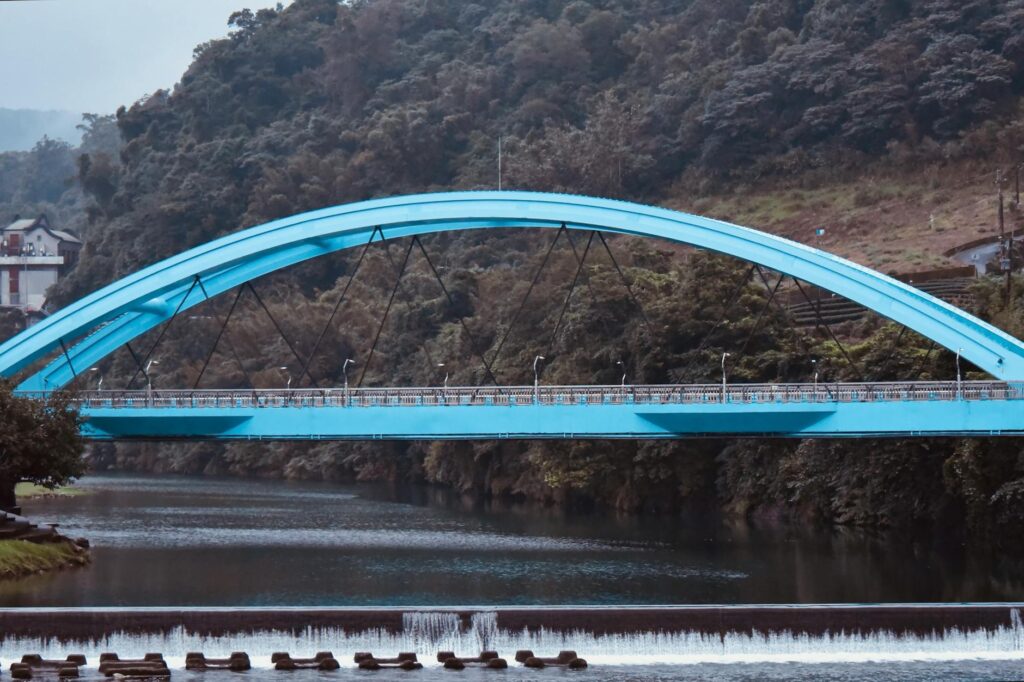

In the last half‑decade, Aurangabad has turned a once‑degraded waterway into a thriving urban lifeline. The Kham River, once reduced to a seasonal trickle clogged with waste, now supports irrigation, recharges groundwater and offers a green corridor for residents. This transformation was not accidental; it stemmed from a coordinated blend of policy resolve, community participation, innovative engineering and relentless monitoring. As Delhi grapples with chronic water shortages and polluted rivers, the Aurangabad model provides a practical blueprint. The following sections explore the strategic steps taken, the people who drove change, the technical fixes deployed, and how the city’s data‑centric approach can be replicated in the capital.
Vision and policy framework
The municipal corporation adopted the Kham River Revival Action Plan in 2020, aligning it with Maharashtra’s Water Conservation Mission. The plan set clear targets: restore 30 km of riverbank, increase groundwater levels by 1.5 m, and provide uninterrupted water supply to 80 % of the city’s households within five years. Funding was secured through a mix of state grants, corporate social responsibility (CSR) contributions and a dedicated river‑tax on local businesses.
Community mobilization and citizen science
Local NGOs, school groups and resident welfare associations formed the “Kham Guardians” network. Volunteers conducted weekly clean‑up drives, reported illegal dumping via a mobile app, and participated in water‑quality testing. The data collected was uploaded to an open‑source dashboard, fostering transparency and allowing citizens to track progress in real time. This grassroots involvement not only reduced litter by 70 % but also cultivated a sense of ownership that discouraged future pollution.
Engineering interventions and green infrastructure
Key technical measures included:
- Construction of 12 km of concrete‑lined check dams to regulate flow and recharge aquifers.
- Installation of bio‑filtration wetlands at major inflow points, which cut suspended solids by 65 %.
- Re‑vegetation of 18 km of riverbank with native species such as Babul and Neem, creating a natural buffer against erosion.
- Integration of rainwater harvesting structures in adjacent neighborhoods, diverting 12 million liters of runoff annually into the river system.
Monitoring, data‑driven management and scaling lessons
Real‑time sensors installed at five strategic points record flow rate, turbidity and pH levels, feeding a cloud‑based analytics platform. The system generates monthly performance reports, enabling officials to adjust operations swiftly. Since 2020, average flow has risen from 0.3 m³/s to 1.2 m³/s, and groundwater tables have climbed 1.6 m. The success has prompted Maharashtra’s urban‑planning department to draft a replication guide for other river‑suffering cities, including Delhi.
| Metric | 2020 (baseline) | 2025 (after revival) |
|---|---|---|
| Average river flow (m³/s) | 0.3 | 1.2 |
| Groundwater rise (m) | 0.0 | 1.6 |
| Households with continuous piped water (%) | 55 | 84 |
| Riverbank litter removal (tons) | 0.8 | 0.2 |
| Public green space along river (hectares) | 4 | 12 |
Conclusion
The Kham River’s resurgence illustrates that a blend of decisive policy, community empowerment, smart engineering and data‑driven oversight can reverse urban water degradation in a relatively short span. For Delhi, adopting a similar multi‑layered framework—especially the citizen‑science platform and real‑time monitoring—could accelerate its own river‑cleaning efforts and alleviate water scarcity. By learning from Aurangabad’s experience, the capital can move toward a more resilient, water‑secure future.
Image by: ShulinMark Lee
https://www.pexels.com/@shulinmark-lee-2157343437