
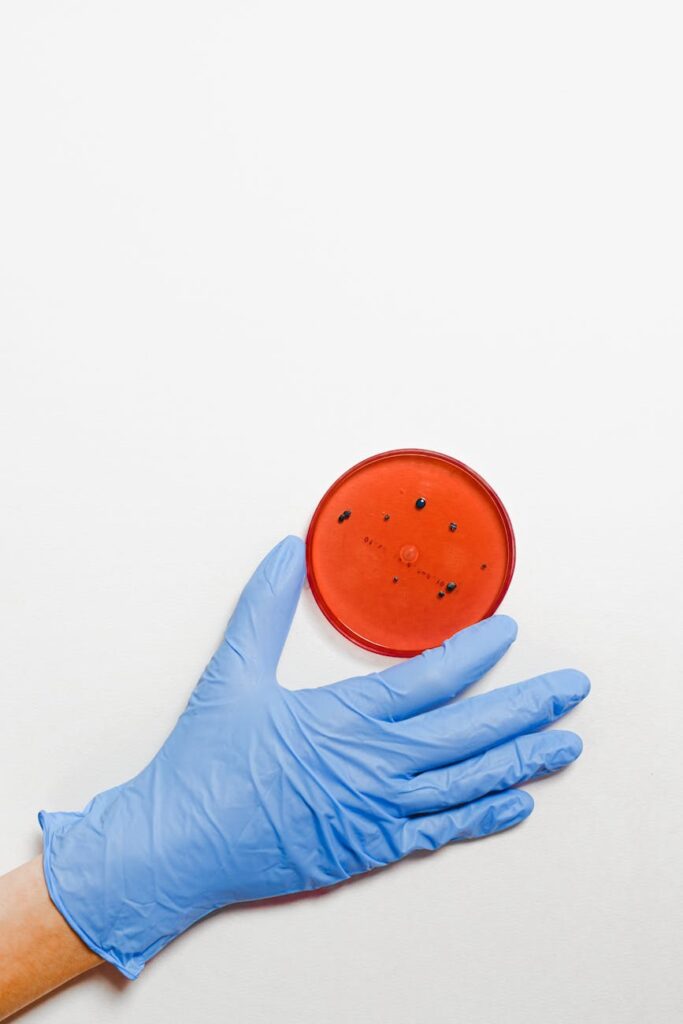

Antibiotics, once hailed as miracle drugs, are rapidly losing their effectiveness worldwide. The World Health Organization (WHO) has issued a stark warning that the rise of antimicrobial resistance (AMR) threatens to reverse decades of medical progress, making routine surgeries and common infections potentially lethal. This article examines the drivers behind the collapse of antibiotic efficacy, the looming public‑health crisis, the international response spearheaded by the WHO, and the strategies needed to safeguard the future of modern medicine.
The accelerating crisis
Over the past two decades, the number of infections that no longer respond to first‑line antibiotics has surged. In low‑ and middle‑income countries, where regulation is weaker, the misuse of over‑the‑counter drugs fuels the spread of resistant strains. Even high‑income nations are not immune; hospitals report increasing rates of carbapenem‑resistant Enterobacteriaceae and methicillin‑resistant Staphylococcus aureus (MRSA). The WHO’s 2024 Global Antimicrobial Resistance Report estimates that 1.27 million deaths were directly attributable to drug‑resistant infections in 2023, a figure projected to rise sharply if corrective action is not taken.
Why antibiotics are losing potency
Resistance emerges when bacteria evolve mechanisms—such as enzymatic degradation, target modification, or efflux pumps—that neutralise a drug’s action. Three primary forces accelerate this evolution:
- Overprescription: Physicians often prescribe antibiotics for viral illnesses, providing bacteria unnecessary exposure.
- Agricultural use: Livestock are routinely fed sub‑therapeutic doses to promote growth, creating reservoirs of resistant microbes that can jump to humans.
- Poor infection control: Inadequate sanitation and infection‑prevention protocols in healthcare settings facilitate the spread of resistant strains.
Compounding the problem is a stagnant pipeline of new antibiotics. Since the early 2000s, fewer than a dozen novel classes have reached the market, and many have been withdrawn due to safety concerns or lack of profitability.
Global health implications
When common infections become untreatable, the ripple effects are profound:
- Routine surgeries, including cesarean sections and joint replacements, become high‑risk procedures.
- Cancer patients undergoing chemotherapy lose a critical line of defence against opportunistic infections.
- Travel and trade face new barriers as countries impose stricter health screenings.
Economic modelling by the World Bank suggests that unchecked AMR could shrink global GDP by up to 3.8% by 2050, equivalent to a loss of $100 trillion.
| Year | Estimated deaths from AMR | Economic loss (% of global GDP) |
|---|---|---|
| 2023 | 1.27 million | 0.9 % |
| 2025 | 1.55 million | 1.4 % |
| 2030 | 2.1 million | 2.2 % |
| 2050 | 4.0 million | 3.8 % |
Policy response and the WHO’s warning
The WHO’s recent alert calls for a coordinated “One Health” approach, linking human health, animal husbandry, and environmental stewardship. Key recommendations include:
- Implementing stricter prescription guidelines and expanding rapid diagnostic tools.
- Phasing out non‑therapeutic antibiotic use in agriculture.
- Investing in surveillance systems to track resistance patterns globally.
- Providing financial incentives—such as market entry rewards—to revive antibiotic research.
National governments are responding at varying speeds. The European Union has pledged €1 billion toward AMR research, while the United States introduced the National Action Plan for Combating Antibiotic‑Resistant Bacteria. However, critics argue that funding remains insufficient compared with the scale of the threat.
Path forward: innovation and stewardship
Combating AMR demands both technological breakthroughs and behavioural change. Emerging solutions include:
- Phage therapy: Using bacteriophages to target specific resistant bacteria without harming beneficial flora.
- CRISPR‑based antimicrobials: Gene‑editing tools designed to disable resistance genes.
- Antibiotic adjuvants: Compounds that restore the potency of existing drugs.
Equally vital is public education. Campaigns that explain why antibiotics should not be demanded for colds or flu can reduce unnecessary prescriptions. Hospitals must adopt rigorous infection‑control protocols, and farmers need support to transition to antibiotic‑free livestock practices.
Ultimately, the WHO’s warning is a call to action: without decisive, coordinated effort, the world risks entering a post‑antibiotic era where minor injuries become fatal and modern medicine stalls.
By confronting the crisis now, policymakers, clinicians, researchers, and citizens can preserve the life‑saving power of antibiotics for generations to come.
Image by: Anna Shvets
https://www.pexels.com/@shvetsa