
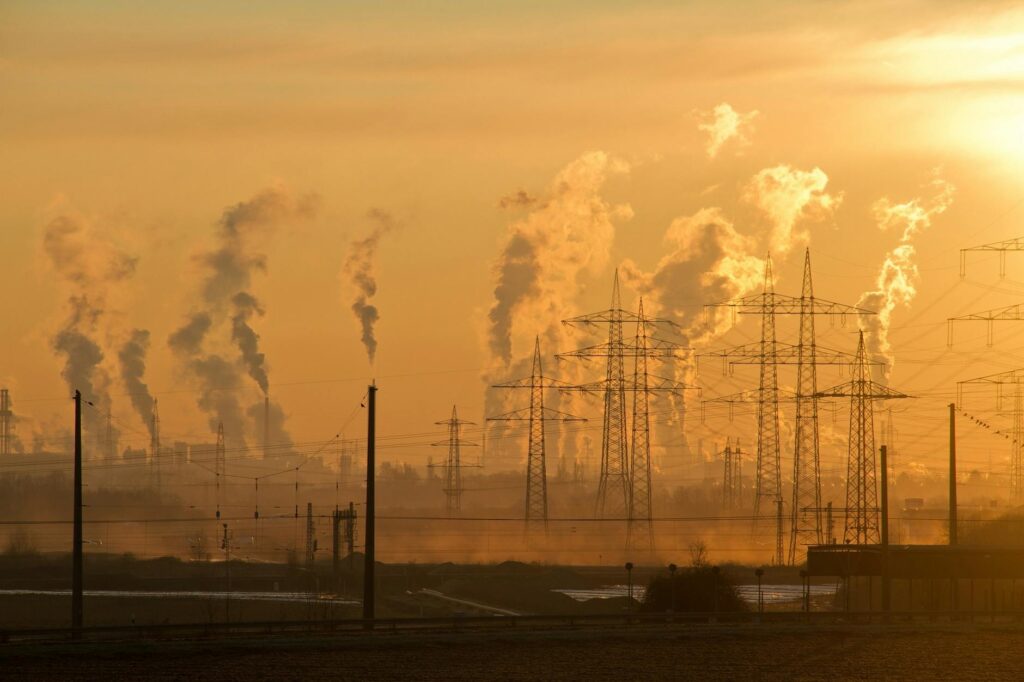

Air quality in India has long been a flashpoint for public health debates. In a recent interview, the Union Environment Minister asserted that there is no direct link between ambient air pollution and lung disease, a claim that has sparked vigorous discussion among scientists, policymakers, and citizens. This article unpacks the minister’s remarks, examines the weight of scientific evidence, presents the latest air‑quality data, and explores what the statement means for future health policy. By tracing the conversation from political rhetoric to epidemiological research, we aim to clarify the complexities that lie behind a seemingly simple denial.
Understanding the minister’s statement
The minister’s comment, reported by The Hindu, was framed as a call for more robust, longitudinal studies before attributing causality. He emphasized that existing data are “correlational” and that policy should be guided by conclusive proof rather than precautionary principles. While the appeal for scientific rigor is valid, critics argue that waiting for absolute certainty can delay essential interventions, especially when the burden of disease is already evident.
Scientific evidence of pollution‑related respiratory risks
Decades of research worldwide, including large‑scale cohort studies in India, have consistently shown that exposure to fine particulate matter (PM2.5) and nitrogen oxides increases the incidence of chronic obstructive pulmonary disease (COPD), asthma, and lung cancer. A 2023 meta‑analysis published in The Lancet Planetary Health linked a 10 µg/m³ rise in PM2.5 to a 6 % increase in COPD hospitalisations. Moreover, the World Health Organization’s 2021 guidelines classify air pollution as a Group 1 carcinogen. These findings suggest a strong, though complex, relationship that goes beyond simple cause‑and‑effect narratives.
Data snapshot: air quality in India (Dec 2025)
Recent monitoring by the Central Pollution Control Board (CPCB) shows that several Indian metros continue to exceed WHO limits for PM2.5. The table below summarizes the average daily concentrations recorded in December 2025.
| City | PM2.5 (µg/m³) | WHO guideline (µg/m³) |
|---|---|---|
| Delhi | 112 | 15 |
| Mumbai | 68 | 15 |
| Kolkata | 84 | 15 |
| Bengaluru | 45 | 15 |
| Chennai | 52 | 15 |
These figures illustrate that the ambient environment in many urban centres remains well above safe thresholds, reinforcing concerns about long‑term respiratory health impacts.
Policy implications and public perception
The minister’s stance has immediate repercussions for regulatory action. If policymakers interpret “no direct link” as a reason to postpone stricter emissions standards, vulnerable populations could face continued exposure. Conversely, the statement may galvanise the scientific community to prioritize high‑quality, longitudinal research that can withstand political scrutiny. Public trust is also at stake; surveys by the Indian Council of Medical Research (ICMR) indicate that 68 % of respondents believe air pollution is a leading cause of respiratory illness, a perception that could pressure officials to act regardless of official statements.
Looking ahead: bridging research and action
To reconcile scientific uncertainty with public health urgency, a multi‑pronged approach is needed. First, expanding real‑time monitoring networks will provide granular exposure data. Second, investing in cohort studies that track individuals over decades can clarify causal pathways. Third, adopting the precautionary principle—similar to policies on tobacco control—allows authorities to implement emission reductions while research continues. Ultimately, the debate underscores that scientific nuance should complement, not replace, proactive governance aimed at safeguarding lung health.
In summary, while the minister’s call for definitive proof is understandable, the preponderance of evidence already points to a significant association between air pollution and lung disease. Delaying decisive action could exacerbate an already pressing public‑health crisis, making it imperative for policymakers, researchers, and citizens to work together toward cleaner air and healthier lungs.
Image by: Pixabay
https://www.pexels.com/@pixabay