
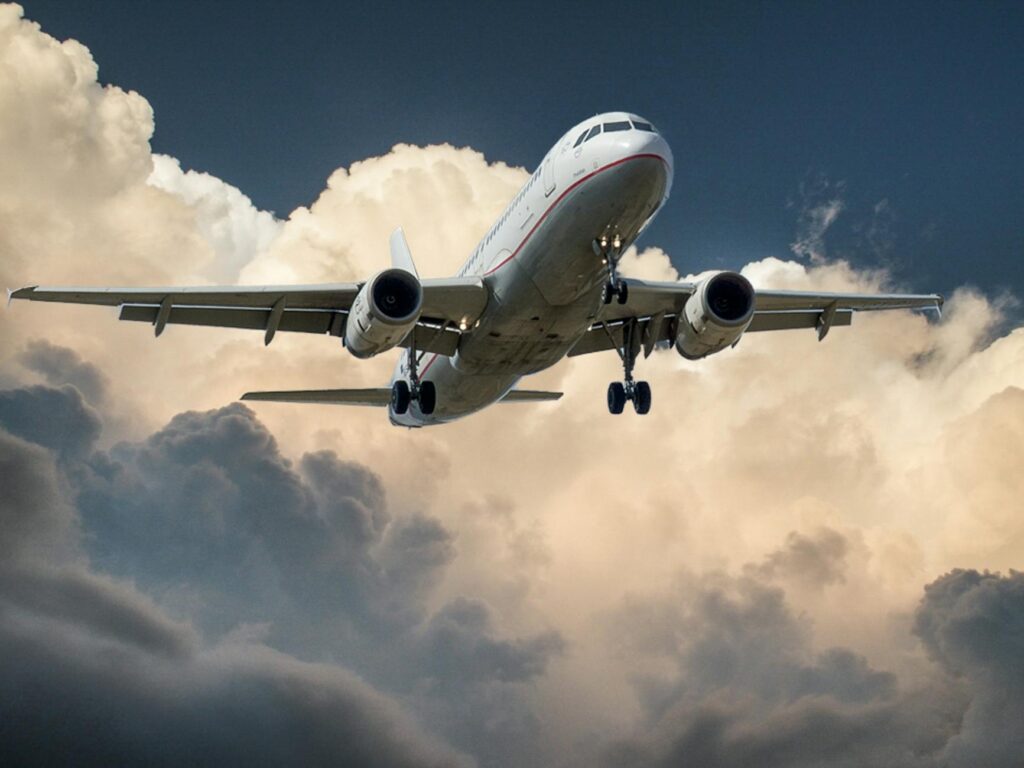

Air India has resumed its non‑stop Boeing 787 Dreamliner service between New Delhi and Tel Aviv, reviving a crucial air link that was suspended for several years. The reinstated route promises to boost tourism, business travel, and cultural exchange between the two nations, offering passengers a modern, fuel‑efficient aircraft and convenient scheduling. As the aviation market rebounds post‑pandemic, the direct connection is expected to attract a surge of travelers eager to explore opportunities in both India and Israel. This article examines the strategic rationale, economic implications, operational specifics, and future prospects of the restored flight corridor.
Resumption of service
After a hiatus that began in 2020, Air India announced the return of its New Delhi‑Tel Aviv route on 5 January 2026, deploying its state‑of‑the‑art Boeing 787‑9 Dreamliner. The airline cites improved diplomatic ties and a growing demand for direct connectivity as primary drivers. The inaugural flight landed at Ben Gurion Airport on 7 January, marking a symbolic moment for both countries’ tourism ministries.
Strategic importance for tourism
India and Israel share a vibrant tourism ecosystem, with Indian pilgrims visiting holy sites in Jerusalem and Israeli tourists exploring India’s heritage trails. The direct flight shortens travel time to under eight hours, eliminating the need for costly layovers in Europe. According to the Indian Ministry of Tourism, outbound Indian travelers to Israel grew by 18 % in 2025, a trend the airline aims to capitalize on.
Economic impact and passenger demand
Industry analysts project that the route will generate approximately US$45 million in annual revenue for Air India, based on an estimated load factor of 78 % and an average fare of $650. The renewed link also benefits ancillary sectors such as hospitality, trade, and technology collaborations.
| Metric | 2025 | 2026 (forecast) |
|---|---|---|
| Weekly flights | 3 | 5 |
| Average load factor | 72 % | 78 % |
| Revenue (US$ million) | 38 | 45 |
Operational details of the Dreamliner
The Boeing 787‑9 offers a cabin altitude of 6,000 ft and humidity levels that reduce passenger fatigue on long hauls. Seats are configured in a 2‑4‑2 layout, providing ample space for both business and economy travelers. In‑flight entertainment includes a curated selection of Indian and Israeli movies, while the galley serves a menu co‑created by chefs from both countries, featuring dishes such as *hummus with mango chutney* and *falafel‑spiced biryani*.
Future outlook
Air India plans to increase frequency to five weekly flights by the end of 2026, contingent on sustained demand. The airline is also exploring code‑share agreements with Israeli carrier El Al to expand connectivity to secondary Indian cities. Observers note that the restored route could serve as a template for other direct links between South Asia and the Middle East.
Conclusion
The revival of Air India’s direct New Delhi‑Tel Aviv service on the Boeing 787 Dreamliner represents a significant milestone for bilateral tourism and commerce. By offering a modern, comfortable, and efficient travel option, the airline is poised to capture rising passenger interest and stimulate economic activity across both nations. As flight frequencies increase and partnerships deepen, the corridor is set to become a cornerstone of Indo‑Israeli connectivity for years to come.
Image by: Pixabay
https://www.pexels.com/@pixabay