
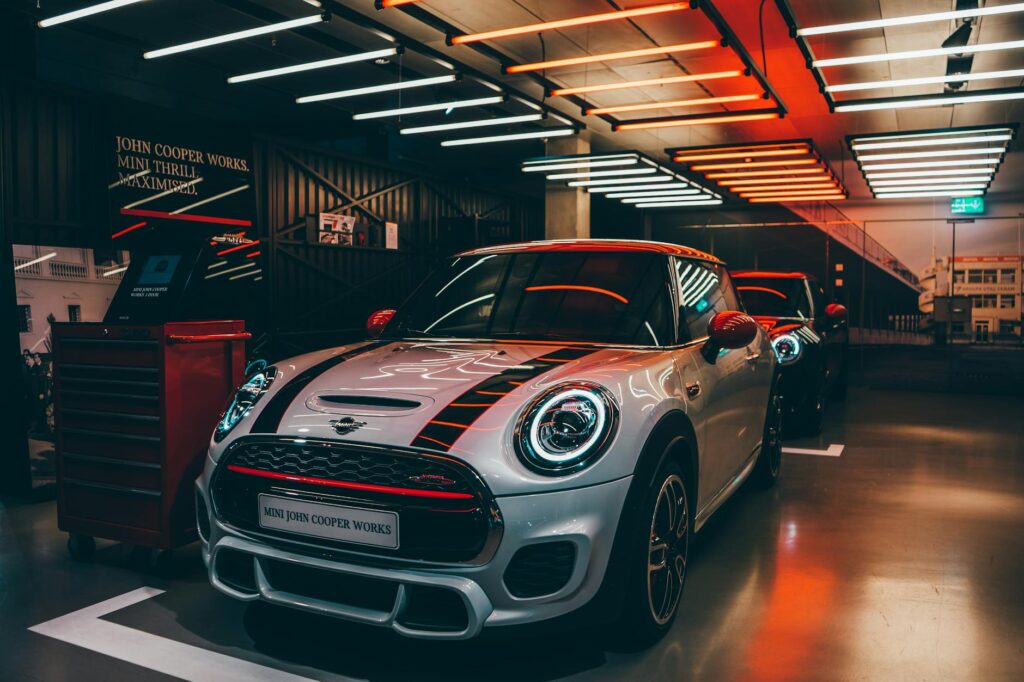

CES 2026 has unfolded as a showcase of how artificial intelligence, autonomous mobility, and connected living are converging into a single ecosystem. From AI‑driven displays that anticipate user intent to electric vehicles that learn driver habits, the event highlights a shift from isolated gadgets to integrated experiences. Over the next few sections we will explore the most compelling announcements, examine how they interlock, and assess what they mean for everyday consumers and the broader tech industry.
AI takes center stage
Artificial intelligence was the loudest voice on the show floor, with companies unveiling generative AI chips that promise real‑time content creation. Nvidia introduced its H100X processor, claiming a 3× boost in inference speed for vision‑language models. Samsung paired the chip with a 8K OLED TV that can describe scenes for visually impaired viewers, turning a passive screen into an interactive assistant. These developments illustrate a broader trend: AI is moving from cloud‑only services to on‑device intelligence, reducing latency and enhancing privacy.
Automotive breakthroughs
The auto pavilion resembled a living lab. Tesla revealed a prototype of its Full‑Self‑Driving 3.0 software that integrates the new Nvidia H100X for edge processing, allowing cars to make split‑second decisions without a data‑center fallback. Meanwhile, General Motors showcased a battery‑swap station powered by solar canopies, aiming to cut EV charging times to under five minutes. The synergy between AI chips and electric powertrains signals a future where vehicles are not just transportation tools but mobile data hubs that continuously learn from their environment.
Smart home and IoT evolution
Smart‑home ecosystems grew more cohesive. Google announced a Nest Hub Max Pro that uses on‑device AI to translate languages in real time, making the device a universal household interpreter. Philips Hue introduced adaptive lighting that syncs with the user’s circadian rhythm, automatically adjusting color temperature based on AI‑predicted sleep patterns. These products illustrate how manufacturers are weaving AI into everyday objects, creating a seamless feedback loop between user behavior and environmental response.
Future of wearables
Wearable technology took a health‑centric turn. Apple unveiled the Vision Pro Watch, a hybrid device that combines a lightweight AR visor with biometric sensors capable of detecting early signs of cardiovascular stress. Fitbit introduced a skin‑adhesive patch that streams real‑time glucose data to a smartphone, leveraging the same AI models showcased in the TV segment to predict glucose spikes before they occur. The convergence of AR, health monitoring, and predictive analytics points to a future where wearables become proactive health coaches rather than passive trackers.
Key announcements at a glance
| Company | Product | Key Feature | Release timeline |
|---|---|---|---|
| Nvidia | H100X AI chip | 3× faster inference for vision‑language models | Q3 2026 |
| Samsung | 8K AI‑assisted OLED TV | Scene description for accessibility | Q4 2026 |
| Tesla | Full‑Self‑Driving 3.0 | Edge AI processing, no cloud latency | Late 2026 |
| Nest Hub Max Pro | Real‑time language translation | Q2 2026 | |
| Apple | Vision Pro Watch | AR visor + cardiovascular stress detection | Early 2027 |
Conclusion
CES 2026 paints a picture of a tech landscape where AI is the connective tissue linking devices, vehicles, and even our bodies. The announcements underscore a shift toward on‑device intelligence, faster autonomous systems, and health‑focused wearables—all designed to anticipate user needs before they are voiced. As these innovations move from prototype to consumer shelves, the line between hardware and software will blur, delivering experiences that feel less like products and more like extensions of the human mind.
Image by: Maria Geller
https://www.pexels.com/@maria-geller-801267