
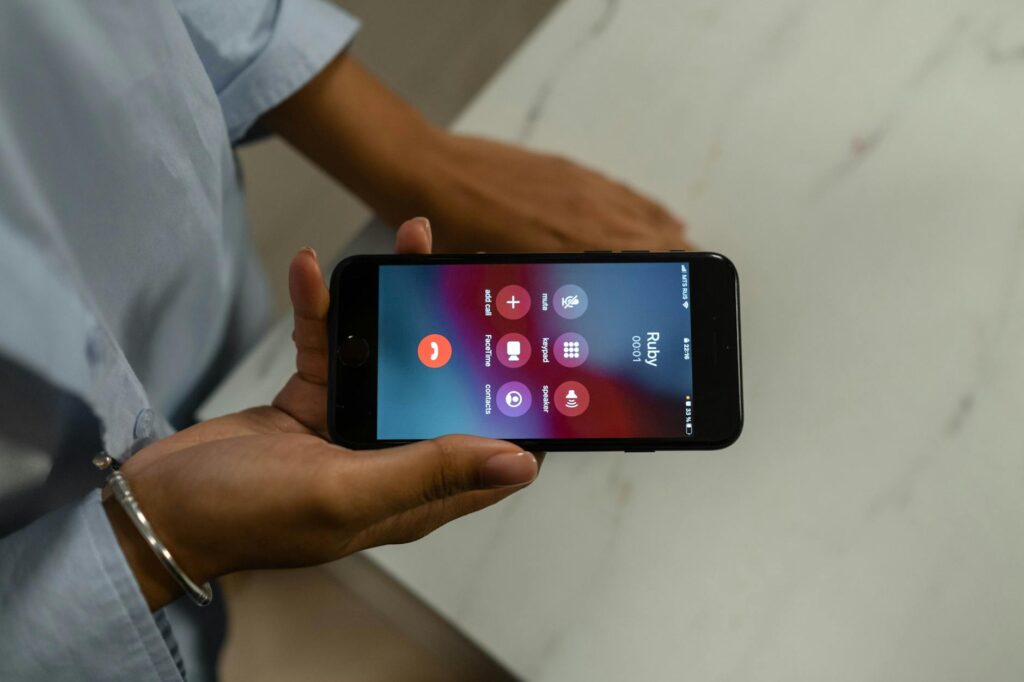

Ever wondered why the name of an unknown caller suddenly flashes on your screen? The answer lies in the government‑backed Caller Name Presentation (CNAP) service that has been rolled out across Indian mobile networks. Launched under the guidance of the Telecom Regulatory Authority of India (TRAI), CNAP aims to replace the vague “unknown number” label with a recognizable name, helping users screen calls more effectively. This article unpacks the mechanics behind CNAP, contrasts it with popular third‑party apps, and examines its impact on consumers, carriers, and the broader fight against spam calls. For a deeper dive, see the original report on Times of India.
What is CNAP and why it matters
CNAP is a centralized database that links a mobile subscriber’s phone number to the name registered with the service provider. When a call is placed, the network queries this database and displays the name to the recipient, even if the number is not saved in the phone’s contacts. The primary goals are:
- Reducing spam: Callers cannot hide behind anonymous numbers.
- Enhancing trust: Users can quickly identify legitimate businesses or personal contacts.
- Supporting regulatory enforcement: Authorities can trace abusive callers more easily.
Unlike earlier “Caller ID” services that only showed the number, CNAP adds a human‑readable identifier, shifting the user experience from guesswork to informed decision‑making.
How the government’s framework works
The CNAP ecosystem is governed by a set of rules issued by TRAI in 2023 and refined in 2024. The key components are:
- Data collection: Telecom operators must upload a daily snapshot of their subscriber directory (phone number, name, and verification status) to a secure, government‑hosted repository.
- Real‑time lookup: When a call is initiated, the originating network sends a lightweight query to the CNAP server, which returns the registered name if a match exists.
- Privacy safeguards: Only the caller’s name (not address or personal details) is disclosed, and the data is encrypted both at rest and in transit.
- Compliance monitoring: TRAI audits operators quarterly and imposes penalties for delayed uploads or inaccurate entries.
All major Indian carriers—Jio, Airtel, Vodafone Idea, and BSNL—have integrated CNAP into their core switching equipment, making the service available to over 800 million mobile users as of December 2025.
Differences from third‑party apps like Truecaller
While apps such as Truecaller also display caller names, they rely on crowdsourced databases and user‑submitted contacts. CNAP, by contrast, is a government‑mandated system with the following distinctions:
- Source of data: CNAP uses official subscriber information verified by operators; Truecaller aggregates data from millions of user phones.
- Regulatory oversight: TRAI enforces strict compliance, whereas third‑party apps operate under general data‑privacy laws.
- Coverage consistency: CNAP works uniformly across all networks, while Truecaller’s accuracy can vary by region and user participation.
- Privacy model: CNAP reveals only the caller’s name, while Truecaller may expose additional details like email IDs or social profiles.
Consequently, CNAP is positioned as a more reliable and privacy‑respectful alternative for the average Indian mobile user.
Impact on consumers and telecom operators
Early adoption data suggests a tangible shift in call‑handling behavior. The table below summarizes key metrics collected by TRAI up to the end of 2025.
| Metric | 2023 | 2024 | 2025 |
|---|---|---|---|
| Percentage of calls showing a name | 42 % | 68 % | 84 % |
| Spam calls reported per 1,000 users | 27 | 19 | 11 |
| Average call answer rate for unknown numbers | 31 % | 45 % | 58 % |
| Operator compliance score (out of 100) | 78 | 92 | 96 |
Consumers now answer fewer unwanted calls, and carriers report lower churn linked to spam‑related complaints. However, the rollout has required significant investment in backend infrastructure, prompting operators to allocate an estimated ₹1,200 crore over the past two years for CNAP integration.
Future outlook and challenges
Looking ahead, TRAI plans to extend CNAP to include verified business identifiers, allowing enterprises to display brand logos alongside names. This could further curb phishing attempts that mimic legitimate companies. Yet challenges remain:
- Data accuracy: Maintaining up‑to‑date subscriber names across millions of accounts is an ongoing task.
- Cross‑border calls: International numbers currently bypass CNAP, leaving a gap for foreign spam.
- Consumer awareness: Users must understand that a displayed name does not guarantee the caller’s intent.
Continued collaboration between regulators, operators, and technology partners will be essential to refine the system and preserve user trust.
In summary, CNAP marks a decisive step toward transparent telecommunication in India, offering a government‑backed alternative to private caller‑ID apps, reducing spam, and empowering users with clearer call information. As the ecosystem matures, its success will hinge on accurate data, robust privacy safeguards, and sustained public education.
Image by: cottonbro studio
https://www.pexels.com/@cottonbro