
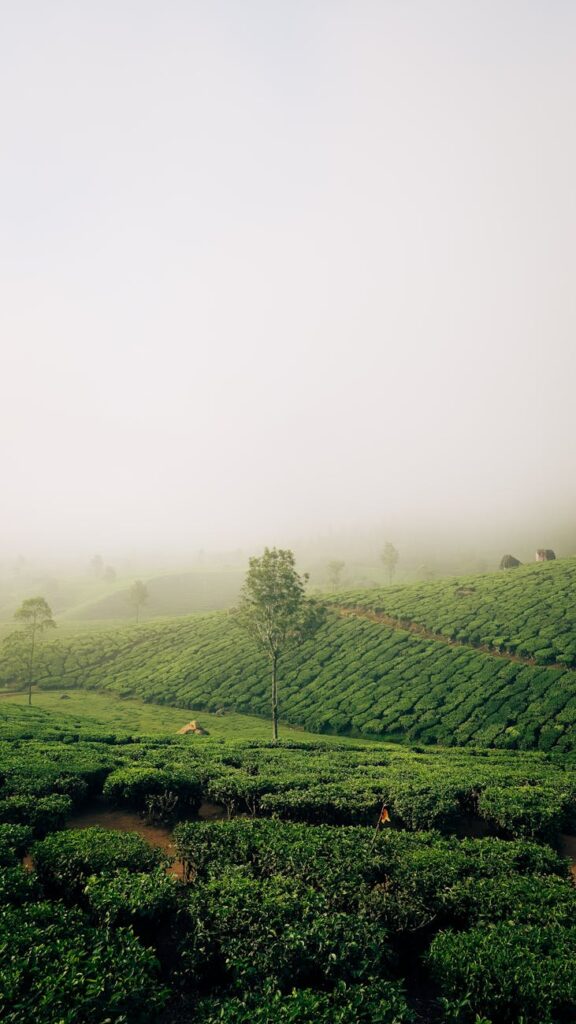

Munnar, nestled in the Western Ghats of Kerala, has earned the poetic nickname “Italy of India” for its rolling tea‑covered slopes, misty valleys and European‑style charm. This article explores why the verdant hill station evokes images of Italy’s Alpine landscapes, tracing its colonial past, distinctive climate, and the attractions that draw travelers from around the globe. By examining the geography, history, and emerging sustainability efforts, readers will gain a deep, investigative view of what makes Munnar a unique blend of Indian heritage and Italian allure.
The moniker ‘Italy of India’ explained
During the British Raj, officials compared Munnar’s terraced tea gardens and cool breezes to the Alpi of northern Italy. The similarity in architecture—colonial bungalows reminiscent of Italian villas—and the prevalence of stone‑cobbled pathways reinforced the analogy. Over time, travel writers and local promoters adopted the phrase, and today it appears in guidebooks, airline magazines, and even on NDTV’s travel feature. The nickname not only markets Munnar to international tourists but also highlights its unique blend of natural beauty and cultural heritage.
Munnar’s geography and climate
Perched at an altitude of 1,600 m (5,250 ft), Munnar enjoys a temperate climate that contrasts sharply with the tropical heat of Kerala’s coastal plains. The region’s volcanic soil, high rainfall, and cool temperatures create ideal conditions for tea cultivation, giving the landscape its characteristic emerald hue.
| Parameter | Average |
|---|---|
| Altitude (m) | 1,600 |
| Annual Rainfall (mm) | 2,800 |
| Mean Temperature (°C) | 15 °C |
| Peak Tourist Season | Oct – Mar |
These climatic factors not only sustain the tea estates but also create a mist‑laden ambience that mirrors the Alpine scenery of Italy’s Lombardy region.
Cultural and historical roots
The name “Munnar” derives from the Tamil words mun (three) and aar (river), referring to the three streams that converge near the town. The area was originally inhabited by the Malayar and Muthuvan tribal communities, whose customs still influence local festivals such as Onam and Thiruvathira. In the late 19th century, the British introduced tea plantations, building stone cottages and churches that echo Mediterranean architecture. This colonial imprint, combined with indigenous traditions, creates a cultural mosaic that feels both Indian and European.
Key attractions and experiences
- Tea Museum – A walk through the historic Kannan Devan estate showcases tea‑processing equipment and offers panoramic views of the plantations.
- Eravikulam National Park – Home to the endangered Nilgiri tahr, the park’s rolling grasslands and shola forests reinforce the “Italian” visual metaphor.
- Mattupetty Dam – Boating amidst mist‑clad hills provides a serene experience akin to Italy’s Lake Como.
- Local cuisine – Dishes like appam with stew and freshly brewed tea echo the simple, hearty meals of Alpine villages.
Sustainable tourism and future outlook
With visitor numbers rising—exceeding 1.2 million in 2024—environmental pressure on Munnar’s fragile ecosystem has intensified. The Kerala government, together with community NGOs, has launched initiatives such as waste‑segregation at popular sites, promotion of eco‑friendly homestays, and strict regulation of new construction. These measures aim to preserve the “Italian” charm while supporting local livelihoods. Experts predict that responsible tourism, combined with digital marketing that highlights the Italy‑of‑India narrative, will keep Munnar’s allure strong for the next decade.
Conclusion
From its mist‑shrouded tea gardens and colonial villas to its vibrant tribal heritage, Munnar truly embodies the spirit of the “Italy of India.” The nickname is more than a marketing gimmick; it reflects a genuine convergence of geography, climate, and culture that sets the hill station apart. As sustainable practices take root, Munnar is poised to retain its European‑like allure while offering travelers an authentic slice of Indian highland charm.
Image by: Ameer Mohamed
https://www.pexels.com/@ameer-mohamed-424973045