
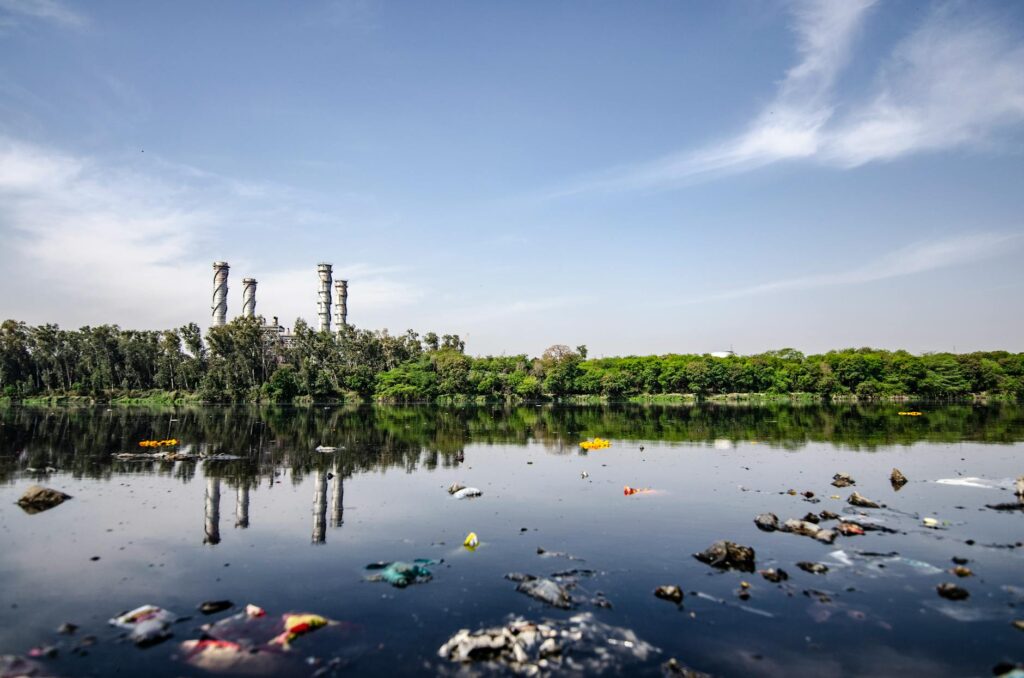

Delhi’s sky has turned a perpetual gray, and the city’s residents are breathing in hazardous levels of smog. In a recent open letter, former bureaucrat L.G. Saxena directly addressed Chief Minister Arvind Kejriwal, accusing his administration of negligence in tackling the capital’s deteriorating air quality. Saxena’s missive, released amid record‑high particulate matter concentrations, underscores systemic policy failures, stalled mitigation projects, and the human cost of inaction. This article dissects the key arguments of the letter, examines the latest pollution metrics, explores the administrative gaps, and gauges the political fallout, offering a comprehensive view of a crisis that demands urgent, coordinated action.
Saxena’s letter: a stark warning
In his correspondence, Saxena condemns the Delhi government for ignoring scientific recommendations and delaying critical interventions such as the expansion of the Delhi Pollution Control Board (DPCB) monitoring network. He cites specific instances where proposed green corridors and low‑emission zones were shelved, arguing that these decisions have directly contributed to the city’s alarming PM2.5 spikes. Saxena also references past judicial directives, noting that non‑compliance could invite legal repercussions and erode public trust.
The worsening smog: data and daily reality
Air quality data from the past month paints a grim picture. The table below aggregates the latest readings from DPCB’s central monitoring stations, reflecting a sustained breach of the National Ambient Air Quality Standards (NAAQS).
| Date | PM2.5 (µg/m³) | PM10 (µg/m³) | AQI (US EPA) |
|---|---|---|---|
| 2025‑12‑20 | 212 | 310 | 210 (Very Unhealthy) |
| 2025‑12‑21 | 198 | 295 | 195 (Very Unhealthy) |
| 2025‑12‑22 | 225 | 340 | 225 (Hazardous) |
| 2025‑12‑23 | 210 | 320 | 215 (Very Unhealthy) |
| 2025‑12‑24 | 230 | 355 | 235 (Hazardous) |
These figures translate into a daily health advisory for residents, especially children, the elderly, and those with respiratory conditions. The persistent exceedance of safe limits validates Saxena’s claim that the crisis is no longer episodic but systemic.
Policy gaps and administrative inertia
Despite the availability of proven mitigation strategies—such as stricter vehicle emission norms, mandatory shutdown of coal‑based power plants, and rapid expansion of public transit—implementation has lagged. Saxena points out three critical bottlenecks:
- Fragmented authority: Overlapping responsibilities between the DPCB, the Delhi government, and the Union Ministry of Environment create decision‑making delays.
- Funding shortfalls: Budget allocations for air‑purification projects have been cut by 15% compared to the previous fiscal year.
- Lack of data transparency: Real‑time monitoring dashboards are not publicly accessible, limiting citizen engagement and accountability.
These structural issues, Saxena argues, render even well‑intentioned policies ineffective, allowing pollution levels to climb unchecked.
Public outcry and political ramifications
The letter has ignited a wave of criticism across social media platforms and civil‑society forums. Environmental NGOs have organized “Clean Delhi” rallies, demanding immediate action and a transparent audit of the government’s air‑quality plan. Opposition parties are leveraging the issue to question the ruling party’s competence, framing the crisis as a failure of governance.
For Kejriwal’s administration, the stakes are high. The capital’s reputation as a hub for technology and innovation is at risk, and the health costs—estimated at over ₹1,200 crore annually—could become a decisive factor in upcoming electoral calculations.
Conclusion: the road ahead
L.G. Saxena’s open letter serves as both a condemnation and a call to action. The data underscores an urgent need for coordinated policy enforcement, increased funding for green infrastructure, and greater public participation. Without decisive steps, Delhi’s air quality will continue to jeopardize the health of millions and erode confidence in its leadership. The onus now lies with the Chief Minister’s office, regulatory bodies, and citizens alike to translate criticism into concrete, measurable improvements before the city’s sky turns permanently hostile.
Image by: Yogendra Singh
https://www.pexels.com/@yogendras31