
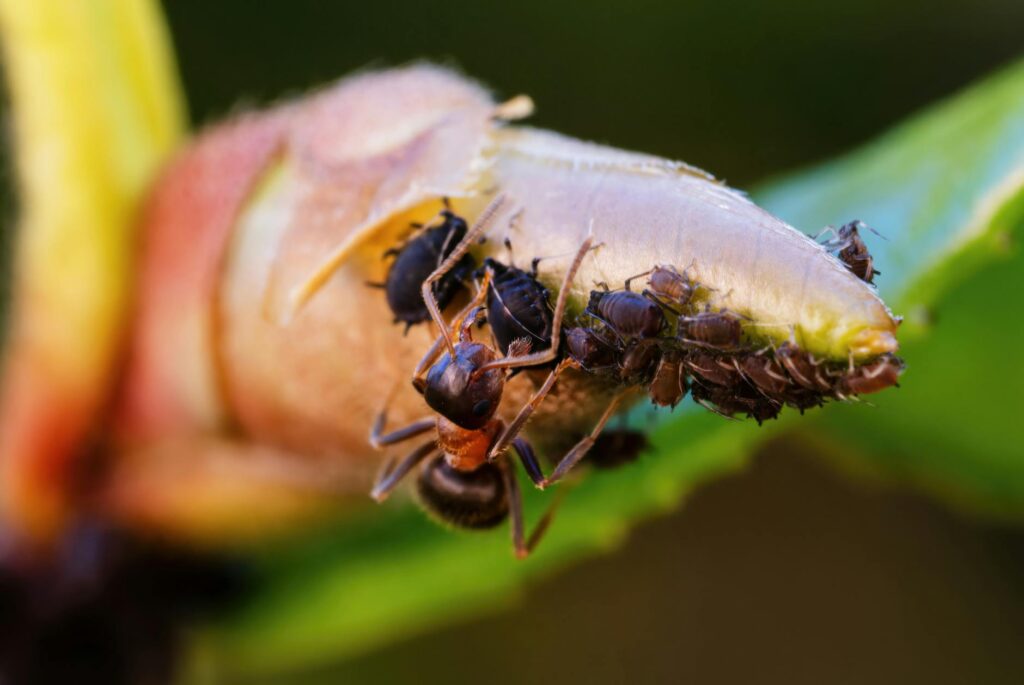

Scientists have uncovered a startling new ally in the fight against antibiotic‑resistant bacteria: the humble ant. In a study published this month, researchers demonstrated that compounds harvested from the saliva of certain ant species can cripple the defenses of Acinetobacter baumannii, a notorious hospital superbug. The discovery arrives at a critical moment, as the World Health Organization warns that drug‑resistant infections could claim 10 million lives annually by 2050. This article explores the growing threat of superbugs, the unique antimicrobial mechanisms found in ants, the pathway from laboratory findings to potential medical applications, and the hurdles that lie ahead before these tiny insects can help safeguard human health.
The rise of superbugs
Antibiotic resistance has surged dramatically over the past two decades. According to the World Health Organization, more than 1.27 million deaths were directly linked to drug‑resistant infections in 2023, and the number is climbing. Traditional drug pipelines are drying up, with fewer new antibiotics reaching the market each year. Hospitals worldwide report outbreaks of Acinetobacter baumannii, Staphylococcus aureus (MRSA), and carbapenem‑producing Enterobacteriaceae, all of which evade existing treatments and lead to prolonged stays, higher costs, and increased mortality.
| Year | Estimated global deaths from superbugs |
|---|---|
| 2020 | 800,000 |
| 2023 | 1,270,000 |
| 2025 (projection) | 1,800,000 |
Ants’ secret weapon
Researchers from the University of Cambridge and the Max Planck Institute identified a peptide, dubbed antimicrobial peptide 2 (AMP‑2), in the mandibular glands of the Camponotus fellah ant. When isolated and applied to cultures of A. baumannii, AMP‑2 disrupted the bacteria’s outer membrane, rendering it vulnerable to existing antibiotics. The study, detailed on Phys.org, showed a 96 % reduction in bacterial load after just 30 minutes of exposure. Unlike conventional antibiotics, the peptide targets a structural component of the bacterial cell wall that mutates very slowly, reducing the likelihood of resistance development.
From lab to clinic
Translating an ant‑derived peptide into a drug involves several steps. First, the molecule must be synthesized at scale; chemists have already succeeded in producing a stable analogue that retains activity. Next, pre‑clinical trials in mice demonstrated safety and efficacy, with no observable toxicity at therapeutic doses. The next milestone is a Phase I human trial, slated to begin early next year, which will assess dosage, pharmacokinetics, and potential side effects. If successful, AMP‑2 could be paired with existing antibiotics to form a synergistic “dual‑attack” regimen, reviving drugs that had become obsolete.
Challenges and future outlook
Despite the promise, several challenges remain. Manufacturing peptide‑based drugs is cost‑intensive, and regulatory pathways for biologically derived antimicrobials are still evolving. Moreover, large‑scale ecological studies are needed to ensure that harvesting ant secretions does not disrupt ecosystems. Researchers are therefore focusing on synthetic biology approaches, inserting the AMP‑2 gene into harmless bacterial factories to produce the compound sustainably. If these hurdles can be cleared, ants may soon join the arsenal of unconventional sources—such as spider venom and frog skin peptides—helping to turn the tide against the looming superbug crisis.
In summary, the discovery of ant‑derived antimicrobial peptides offers a fresh, biologically inspired strategy to combat drug‑resistant infections. While the journey from discovery to bedside is still underway, the research underscores the value of looking to nature’s smallest engineers for solutions to humanity’s biggest health challenges.
Image by: Rino Adamo
https://www.pexels.com/@rinoadamo