
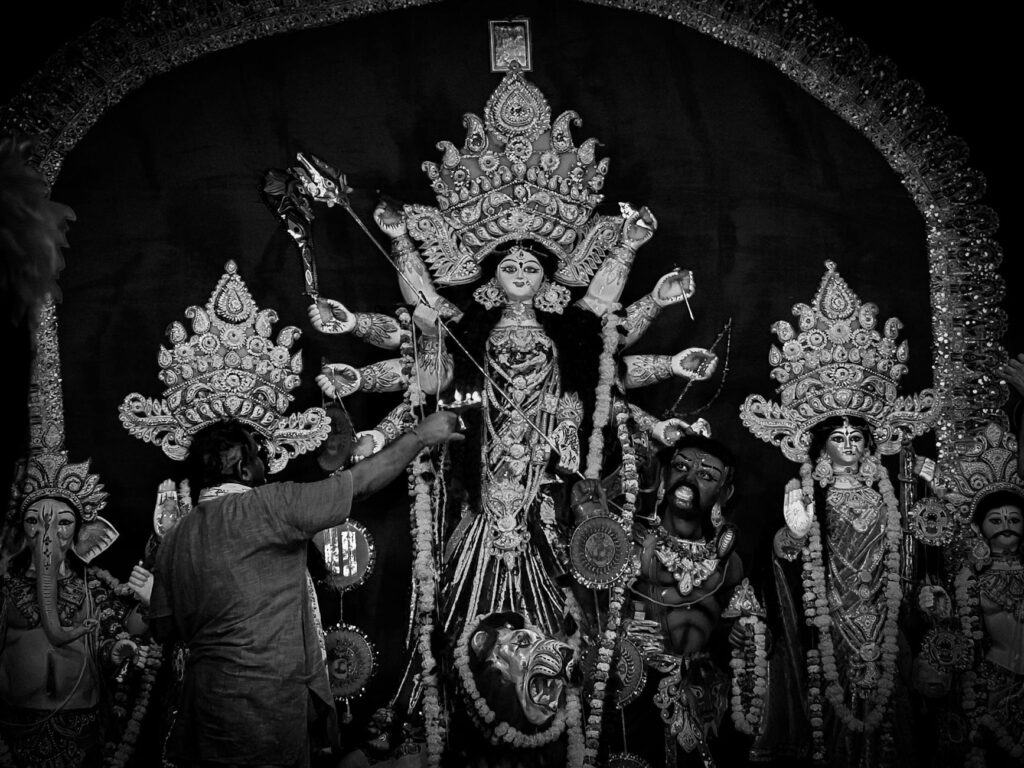

In a recent statement that has sparked nationwide debate, the Vishwa Hindu Parishad (VHP) urged Hindus to refrain from celebrating Christmas, citing the need for “cultural vigilance.” The appeal, issued ahead of the holiday season, frames the Christian festival as a potential threat to Hindu traditions and calls for a collective introspection on religious participation. As India’s pluralistic fabric grapples with competing narratives of identity, the VHP’s position raises questions about constitutional freedoms, inter‑faith dynamics, and the role of political organisations in shaping cultural discourse. This article examines the background, legal context, public reaction, and broader implications of the VHP’s call, offering a nuanced view of a controversy that sits at the intersection of faith and politics.
Cultural vigilance and the VHP’s stance
The VHP’s communiqué, posted on its official website, warns that celebrating Christmas could dilute Hindu cultural values. It urges devotees to focus on “traditional Hindu festivals” and to be wary of “foreign influences” that may erode indigenous practices. The organization links its appeal to a broader agenda of protecting Hindu heritage, a theme that recurs in its recent campaigns.
Key points from the VHP statement:
- Preserve Hindu rituals: Prioritise Diwali, Navratri, and other indigenous festivals.
- Reject cultural assimilation: Avoid participation in celebrations deemed “non‑Hindu.”
- Promote vigilance: Encourage community monitoring of cultural shifts.
For the full statement, see the original article.
Historical context of religious festivals in India
India’s long‑standing tradition of syncretism has seen festivals cross‑pollinate for centuries. Yet, periods of heightened communal tension have also prompted calls for cultural protection. The table below outlines notable incidents where religious festivals became flashpoints, illustrating the recurring pattern of contestation.
| Year | Festival | Controversy |
|---|---|---|
| 1992 | Ram Navami | Processions turned violent in Ayodhya. |
| 2002 | Ganesh Chaturthi | Clashes in Gujarat over procession routes. |
| 2015 | Diwali | Debates over “Hindu” versus “secular” celebrations. |
| 2022 | Holi | Legal petitions to ban color‑throwing in certain districts. |
| 2024 | Christmas | VHP’s call for Hindu non‑participation. |
Legal and constitutional perspectives
India’s Constitution guarantees freedom of religion under Article 25, while also allowing the state to regulate secular activities. Legal scholars argue that urging a specific community to avoid a public holiday does not breach any law, but it may conflict with the spirit of secularism if it incites discrimination. The Supreme Court has previously upheld the right to celebrate festivals across faiths, provided public order is maintained. Any attempt to legally restrict participation would likely face challenges on the grounds of personal liberty and equality before the law.
Public reaction and media coverage
The VHP’s announcement triggered a wave of commentary across social platforms, newspapers, and television. While some Hindu groups echoed the call for cultural preservation, many civil‑society organisations condemned it as divisive. Prominent voices highlighted the importance of inclusive celebrations, noting that Christmas has been embraced by large sections of Indian society for decades.
Highlights from the debate:
- Supporters argue that “cultural dilution” is a genuine concern.
- Critics warn that such rhetoric fuels communal mistrust.
- Neutral observers call for a focus on shared values rather than exclusion.
Implications for interfaith harmony
If the VHP’s stance gains traction, it could reshape how festivals are observed in mixed‑faith neighborhoods. Schools, workplaces, and public institutions that traditionally acknowledge multiple holidays might face pressure to limit Christmas celebrations. Conversely, the backlash may strengthen interfaith coalitions seeking to protect pluralistic traditions. The episode underscores the delicate balance India must maintain between safeguarding cultural identity and upholding the constitutional promise of religious freedom.
Ultimately, the discourse surrounding the VHP’s call serves as a barometer for the nation’s evolving relationship with its diverse heritage.
Conclusion
The VHP’s appeal for Hindus to abstain from Christmas celebrations reflects a broader narrative of cultural vigilance that has periodically resurfaced in India’s public sphere. While rooted in a desire to protect Hindu traditions, the stance raises constitutional questions, provokes varied public responses, and threatens to strain interfaith cohesion. As the holiday season approaches, the nation watches closely to see whether calls for exclusion will translate into policy or remain a rhetorical contest. The outcome will likely influence not only how festivals are observed but also how India negotiates its pluralistic identity in the years ahead.
Image by: Krishna Rawat
https://www.pexels.com/@krishnarawat