
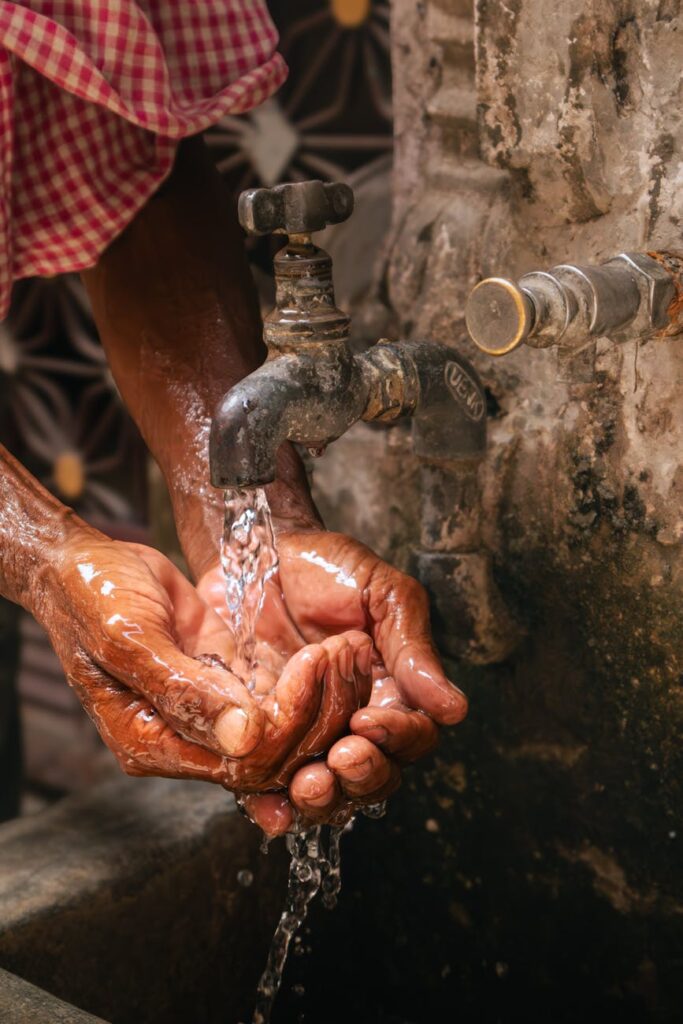

India’s groundwater crisis has moved from a distant warning to an urgent reality, with several states already showing signs of reaching the dreaded “Day Zero” – the point at which aquifers can no longer meet basic water needs. Rapid urbanisation, intensive agriculture and climate variability have accelerated the depletion of one of the nation’s most vital resources. This article unpacks the latest data, highlights the states most at risk, examines the underlying drivers, and evaluates the policy measures that could avert a full‑scale water emergency.
The ticking clock of groundwater depletion
Groundwater supplies in India have been falling at an average rate of 1.2% per year over the past decade, according to the Central Ground Water Board. While the national average masks regional disparities, certain basins are losing water at double or even triple that pace. The concept of “Day Zero” – borrowed from global water‑stress discussions – denotes the moment when extraction exceeds natural recharge, rendering wells dry and forcing communities to rely on costly alternatives.
States on the brink: data‑driven rankings
Recent satellite‑based monitoring combined with state‑level extraction records reveals a stark hierarchy of risk. The table below summarises the most vulnerable states, their current annual decline, and the projected year they could hit Day Zero if trends continue unchanged.
| State | Annual Decline (%) | Projected Day Zero | Key Aquifer Basin |
|---|---|---|---|
| Punjab | 3.4 | 2027 | Indus Basin |
| Haryana | 3.1 | 2028 | Yamuna Basin |
| Uttar Pradesh | 2.8 | 2029 | Ganga Basin |
| Madhya Pradesh | 2.5 | 2031 | Narmada Basin |
| Rajasthan | 2.2 | 2033 | Aravalli Basin |
These projections are based on the latest analysis from the Times of India and reflect a continuation of current extraction patterns.
Root causes behind the rapid drawdown
Several interlinked factors fuel the accelerated depletion:
- Agricultural over‑extraction: Crops such as rice and wheat dominate the Indo‑Gangetic plains, demanding up to 500 mm of irrigation per season.
- Inadequate recharge mechanisms: Urban sprawl replaces permeable soils with concrete, drastically reducing natural infiltration.
- Policy gaps: Subsidised electricity for pump sets encourages unchecked extraction, especially in Punjab and Haryana.
- Climate stress: Erratic monsoons and rising temperatures exacerbate recharge deficits.
Collectively, these drivers create a feedback loop where dwindling water supplies push farmers to drill deeper wells, further lowering the water table.
Policy responses and the road ahead
National and state governments have launched several initiatives, including the Pradhan Mantri Krishi Sinchai Yojana and groundwater‑monitoring networks. However, critics argue that implementation remains fragmented. Effective mitigation will require:
- Strict regulation of groundwater extraction, coupled with real‑time metering.
- Incentives for micro‑irrigation technologies such as drip and sprinkler systems.
- Revamping crop patterns toward less water‑intensive varieties.
- Urban planning that restores green spaces and promotes rainwater harvesting.
Only a coordinated, data‑driven approach can shift the trajectory away from the looming Day Zero scenario.
Conclusion
The evidence is unequivocal: several Indian states are racing towards a groundwater “Day Zero” within the next decade. While the crisis is rooted in long‑standing agricultural practices, urban expansion and policy inertia, the path to resilience lies in decisive regulation, technology adoption, and community‑level water stewardship. By acting now, policymakers can safeguard the aquifers that sustain millions, turning a looming disaster into a catalyst for sustainable water governance.
Image by: Anurag Jamwal
https://www.pexels.com/@aj4xo