
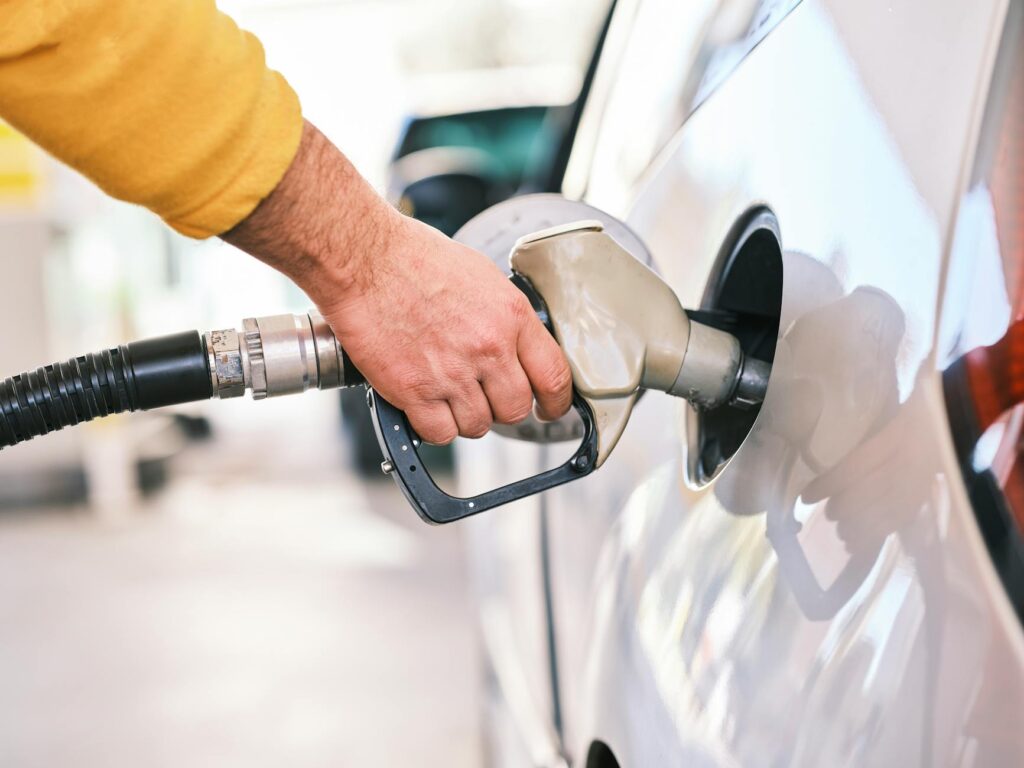

From January 1, 2026, Indian households and transport operators can expect a noticeable reduction in the cost of cooking gas (PNG) and compressed natural gas (CNG). The Petroleum and Natural Gas Regulatory Board (PNGRB) has approved a unified natural‑gas tariff that consolidates multiple price components into a single, transparent structure. This reform aims to curb price volatility, encourage broader adoption of cleaner fuels, and align India’s gas pricing with global best practices. The upcoming changes will impact everything from daily cooking expenses to the operating costs of fleet owners, marking a significant shift in the nation’s energy landscape.
Unified tariff framework explained
The new tariff model merges the previously separate commodity price, transportation charges, and distribution fees into one cohesive rate. By doing so, it eliminates hidden mark‑ups and provides a clear, predictable cost for end‑users. The PNGRB’s decision follows extensive consultations with state gas agencies, industry stakeholders, and consumer groups, and it aligns with the Ministry of Power’s push for a more transparent energy market.
Projected price impact for consumers
Based on the PNGRB’s tariff order, the average retail price of CNG is expected to drop by roughly 3–4 %, while domestic PNG (cooking gas) could see a reduction of about 6 %. The table below summarizes the anticipated changes:
| Fuel type | Current price (₹/unit) | New price (₹/unit) | Percentage change |
|---|---|---|---|
| CNG (per kg) | 71.5 | 68.5 | -4.2 % |
| Domestic PNG (14.2 kg cylinder) | 800 | 750 | -6.3 % |
These figures are illustrative and reflect the average rates across major distribution zones as of December 2025.
Broader implications for the energy market
The tariff reform is expected to stimulate demand for natural gas in two key ways. First, lower CNG costs make it a more attractive alternative to diesel for commercial fleets, potentially accelerating the shift toward greener transport. Second, reduced PNG prices can ease the financial burden on low‑income households, supporting the government’s goal of universal clean‑cooking access. Moreover, a unified tariff simplifies cross‑state gas trade, encouraging private investment in pipeline infrastructure and storage facilities.
Challenges and next steps
While the price cuts are welcome, several challenges remain. State‑run gas distributors must adjust their accounting systems to the new tariff structure, and some regional bodies have raised concerns about short‑term revenue impacts. The PNGRB has pledged a phased implementation, with periodic reviews to ensure that price benefits reach end‑users without compromising the financial health of distribution companies. Stakeholders are also watching for potential ripple effects on related sectors, such as LPG imports and renewable‑energy subsidies.
Conclusion
In summary, the PNGRB’s unified natural‑gas tariff, set to take effect on 1 January 2026, promises tangible savings for both CNG users and domestic PNG consumers. By streamlining pricing, the reform enhances market transparency, supports environmental objectives, and aligns India’s gas sector with global standards. As the transition unfolds, close monitoring by regulators and industry players will be essential to balance consumer benefits with the sustainability of gas distribution networks.
Image by: Engin Akyurt
https://www.pexels.com/@enginakyurt