
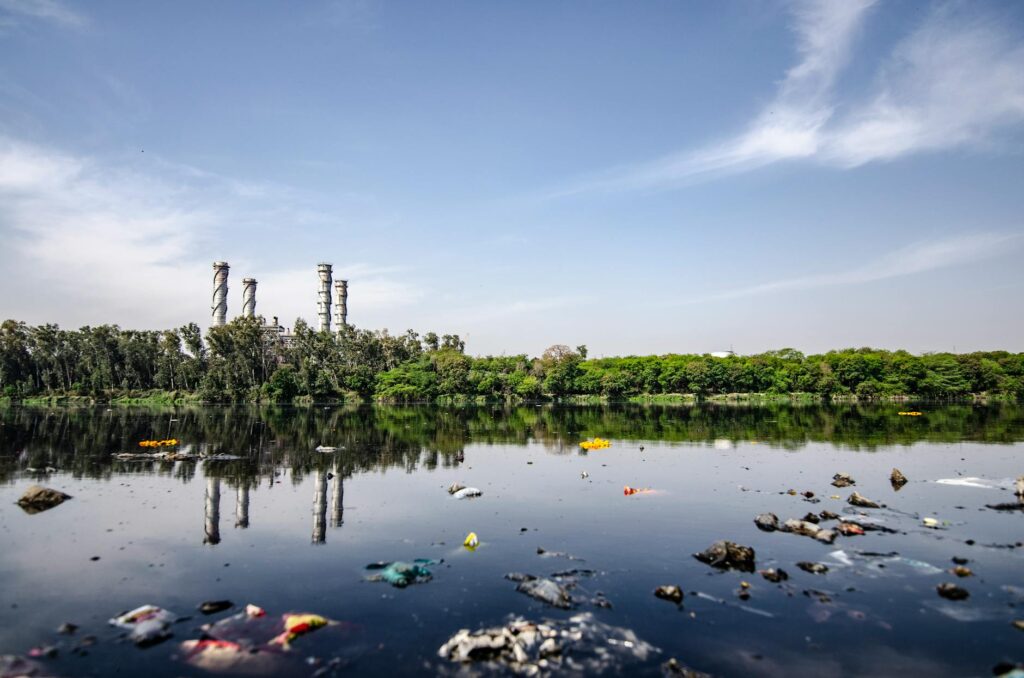

Delhi’s worsening air quality has become a political flashpoint as the chief minister of the capital, Arvind Kejriwal, fired back at a BJP request that the Aam Aadmi Party refrain from “spiking” pollution levels. In a heated interview, Kejriwal accused the opposition of turning the city into a “gas chamber” of its own making, while the BJP argued that the AAP was deliberately aggravating the smog to score political points. The exchange underscores the growing tension between Delhi’s governing party and the central government over accountability, public health, and the future of India’s most polluted megacity. This article examines the background, the political rhetoric, the latest air‑quality data, and the broader implications for policy and citizens.
Political backdrop to the pollution dispute
The BJP’s request, conveyed through a senior party spokesperson, urged the AAP to avoid any actions that could “inflate” pollution figures ahead of upcoming elections. Kejriwal dismissed the demand as a “thinly veiled threat” and reminded the central government that the city’s chronic smog stems from a mix of vehicular emissions, construction dust, and seasonal crop‑burning. The original interview highlighted how both parties are using air quality as a weapon in a larger power struggle.
Current air‑quality snapshot
Data released by the Delhi Pollution Control Committee (DPCC) on 18 December 2025 shows a stark picture:
| Parameter | Concentration | Health Category |
|---|---|---|
| PM2.5 (µg/m³) | 185 | Very Unhealthy |
| PM10 (µg/m³) | 260 | Very Unhealthy |
| AQI (overall) | 340 | Hazardous |
These figures place Delhi well above the World Health Organization’s safe limits and illustrate why the issue is no longer a mere political talking point but a public‑health emergency.
Implications for policy and governance
Both parties claim to have concrete plans to curb emissions. The AAP emphasizes stricter enforcement of the odd‑even vehicle scheme, expansion of green corridors, and a push for electric public transport. The BJP, meanwhile, points to its national Clean Air Programme and promises of greater funding for Delhi’s monitoring infrastructure. However, the back‑and‑forth over “spiking” pollution reveals a deeper mistrust: each side fears that the other will manipulate data to gain electoral advantage, potentially delaying decisive action.
Public reaction and the way forward
Citizens have taken to social media with hashtags like #DelhiGasChamber and #CleanAirNow, demanding transparency and immediate measures. Health experts warn that prolonged exposure to the current AQI levels could increase respiratory illnesses by up to 30 % in vulnerable groups. The consensus among scientists is clear—political posturing must give way to coordinated, science‑driven interventions, including stricter control of construction dust, real‑time monitoring, and public awareness campaigns.
Conclusion
The clash between Kejriwal and the BJP over Delhi’s smog highlights how environmental crises can become entangled with partisan politics. While the latest AQI data confirms that the city is indeed grappling with hazardous air quality, the real challenge lies in transcending blame games to implement robust, collaborative solutions. For Delhi’s millions of residents, the stakes are simple: cleaner air, better health, and a future where politics does not dictate the very breath they take.
Image by: Yogendra Singh
https://www.pexels.com/@yogendras31