
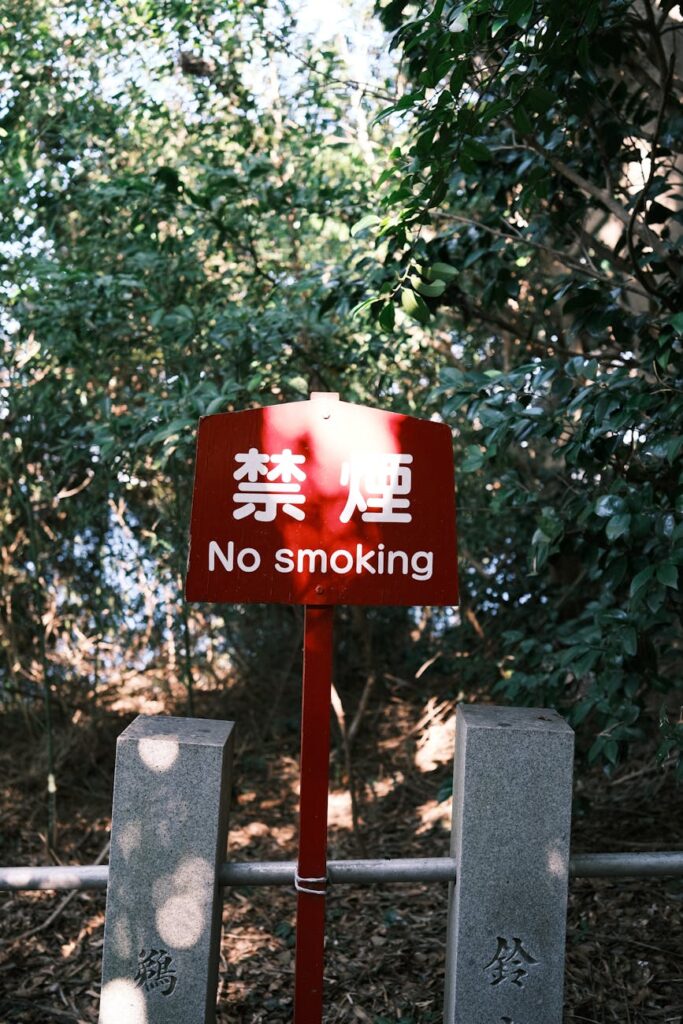

Delhi’s air quality has reached a tipping point, prompting the government to roll out the fourth phase of the Graded Response Action Plan (GRAP‑IV). Starting this week, the capital will enforce the most stringent set of restrictions ever seen, targeting everything from vehicle registrations to construction activities. Residents, commuters and businesses must quickly adapt to a detailed list of what is permitted and what is outright prohibited, as officials aim to bring the Air Quality Index back below the hazardous threshold. This article breaks down the key components of GRAP‑IV, explains how enforcement will work, and examines the broader implications for Delhi’s fight against smog. (source)
Scope of the new restrictions
GRAP‑IV expands on earlier phases by imposing a city‑wide curfew on activities that generate particulate matter (PM2.5) and nitrogen oxides. The plan is triggered when the AQI crosses 300 for three consecutive days, a level that the Delhi Pollution Control Committee classifies as ‘severe’. Under this phase, the government can suspend:
- All non‑essential construction work between 6 a.m. and 6 p.m.
- Commercial diesel generators exceeding 500 kW.
- Sale of firecrackers and fireworks.
- Use of coal‑based stoves in households and eateries.
These measures are designed to cut emissions by an estimated 30‑40 % within the first week of implementation.
Vehicles and fuels under the ban
Transport is the single largest source of Delhi’s air pollution. GRAP‑IV introduces a tiered ban on fuel‑type and vehicle age:
| Category | Allowed | Banned |
|---|---|---|
| Petrol/diesel cars older than 10 years | Only for emergency services | All private use |
| Two‑wheelers using CNG | Allowed with valid permit | Older than 5 years without CNG conversion |
| Commercial trucks > 3.5 tons | Allowed on designated green corridors | All other routes between 6 a.m.–10 p.m. |
| Electric vehicles | Fully allowed | — |
In addition, the sale of diesel fuel in bulk at petrol stations is halted for 48 hours, forcing a temporary shift to compressed natural gas (CNG) and electric charging points.
Construction and industrial activities
Construction sites must now adhere to a strict set of guidelines:
- All earth‑moving equipment must be fitted with diesel particulate filters.
- Dust suppression using water sprinklers is mandatory every hour.
- Heavy lifting cranes are limited to 10 am–2 pm to reduce peak emissions.
Industries producing cement, steel and chemicals are required to submit real‑time emission data to the state’s monitoring portal. Non‑compliant units face penalties up to ₹5 crore per day.
Public compliance and enforcement
Enforcement will be carried out by a joint task force comprising the Delhi Police, the DPCC and the municipal corporation. Violators are subject to on‑the‑spot fines ranging from ₹5,000 to ₹50,000, and repeat offenders may face vehicle impoundment. To aid citizens, a mobile app (GRAP‑IV Tracker) provides real‑time alerts on restricted zones and permissible activities.
Looking ahead: impact and challenges
Early models suggest that GRAP‑IV could shave 15–20 µg/m³ off the city’s PM2.5 levels within two weeks, potentially averting thousands of premature deaths. However, critics warn that the abrupt bans on construction and diesel generators could disrupt livelihoods and strain the power supply. Balancing public health with economic stability will require sustained dialogue between policymakers, industry leaders and community groups.
In summary, GRAP‑IV marks a decisive step toward cleaner air in Delhi, laying out a clear list of what is permissible and what is prohibited. While the measures are stringent, their success hinges on robust enforcement and public cooperation, offering a blueprint for other megacities grappling with severe air‑quality crises.
Image by: Huu Huynh
https://www.pexels.com/@huuhuynh