
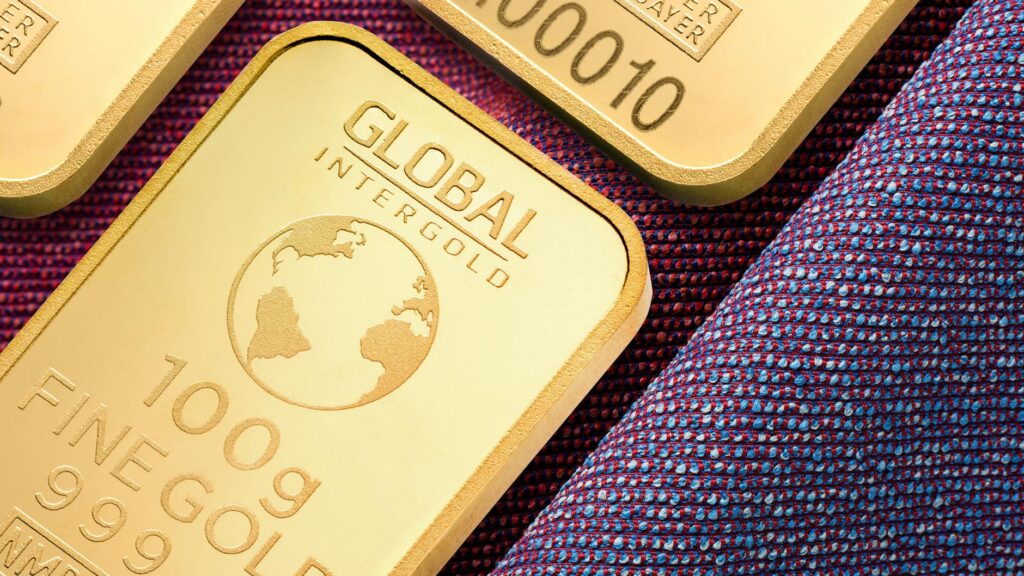

India’s gold market surged to unprecedented heights on January 12, 2026, with the 10‑gram price crossing the ₹24,000 mark for the first time. Within just three trading sessions, the metal rallied more than 3 %, while silver edged closer to the historic ₹300,000 threshold. The rally reflects a confluence of global monetary tightening, domestic fiscal pressures, and heightened investor appetite for safe‑haven assets. This article unpacks the forces behind the price spikes, examines the ripple effects on the broader economy, and offers a forward‑looking view for investors navigating the volatile commodity landscape.
Record‑breaking gold price
The latest MCX data shows the 10‑gram gold price closing at ₹24,015, eclipsing the previous high of ₹23,950 recorded just a week earlier. This surge places gold at its most expensive level since the 2022 inflation spike, and it is being driven by several intertwined factors:
- Global monetary policy: Central banks worldwide have maintained restrictive rates, limiting dollar liquidity and pushing investors toward gold.
- Rupee depreciation: The rupee’s 2 % slide against the dollar over the past month has amplified the local‑currency price of gold.
- Domestic demand: Wedding season and festive buying in North India have added seasonal demand pressure.
Three‑session surge explained
From January 9 to January 12, gold rose from ₹22,800 to ₹24,015 – a 3.2 % increase across three sessions. Analysts attribute this rapid climb to a short‑covering rally triggered by a sudden dip in the US Treasury yields, which forced many short‑term traders to unwind positions. Additionally, the Multi Commodity Exchange (MCX) reported a surge in futures turnover, indicating heightened speculative activity.
Key data points from the three sessions:
| Date | 10g Gold (₹) | Daily % Change |
|---|---|---|
| Jan 9, 2026 | 22,800 | +1.1 % |
| Jan 10, 2026 | 23,350 | +2.4 % |
| Jan 12, 2026 | 24,015 | +3.2 % |
Silver’s march toward 3 lakh
Silver, often viewed as the junior sibling of gold, is not far behind. The 1‑kilogram price touched ₹298,750 on January 12, just shy of the coveted ₹300,000 milestone. The metal’s rally mirrors gold’s trajectory but is amplified by its higher volatility and industrial demand. Notable drivers include:
- Industrial demand: Photovoltaic and electronics sectors have reported a 7 % increase in silver consumption YoY.
- Investment inflows: ETFs tracking silver have seen a net inflow of $850 million in the past month.
- Currency dynamics: The weakening rupee boosts silver’s local‑currency price even as the dollar price steadies.
Implications for investors and the economy
The twin spikes in gold and silver have several knock‑on effects:
- Portfolio rebalancing: High‑net‑worth individuals are increasing allocations to precious metals as a hedge against inflation and currency risk.
- Consumer sentiment: Elevated gold prices can dampen discretionary spending, especially on jewelry, which accounts for over 60 % of domestic gold demand.
- Policy considerations: The Reserve Bank of India (RBI) may monitor the surge closely, as prolonged high metal prices can feed into broader inflationary pressures.
Looking ahead: market outlook
While the current momentum appears strong, analysts caution that a sudden easing of global monetary tightening could reverse the trend. The consensus forecast for the next four weeks suggests a modest correction of 1‑2 % before a potential continuation toward the ₹25,000 mark, contingent on rupee stability and sustained foreign demand.
Investors should keep an eye on the following indicators:
- US Federal Reserve policy statements
- Rupee exchange rate movements
- Industrial silver consumption reports
Staying informed will be key to navigating the volatile but opportunity‑rich precious‑metal landscape.
Conclusion
The record‑breaking gold price of ₹24,000 per 10 grams and silver’s approach to the ₹300,000 barrier underscore a period of heightened uncertainty and speculative fervor in India’s commodity markets. Driven by global monetary policy, currency weakness, and seasonal domestic demand, the three‑session surge has reshaped investor strategies and raised questions for policymakers. As the market steadies, careful monitoring of macro‑economic cues will determine whether the upward trajectory sustains or gives way to a corrective phase. For investors, the current landscape offers both a hedge against inflation and a reminder of the inherent volatility that accompanies precious‑metal rallies.
Image by: Michael Steinberg
https://www.pexels.com/@michael-steinberg-95604