
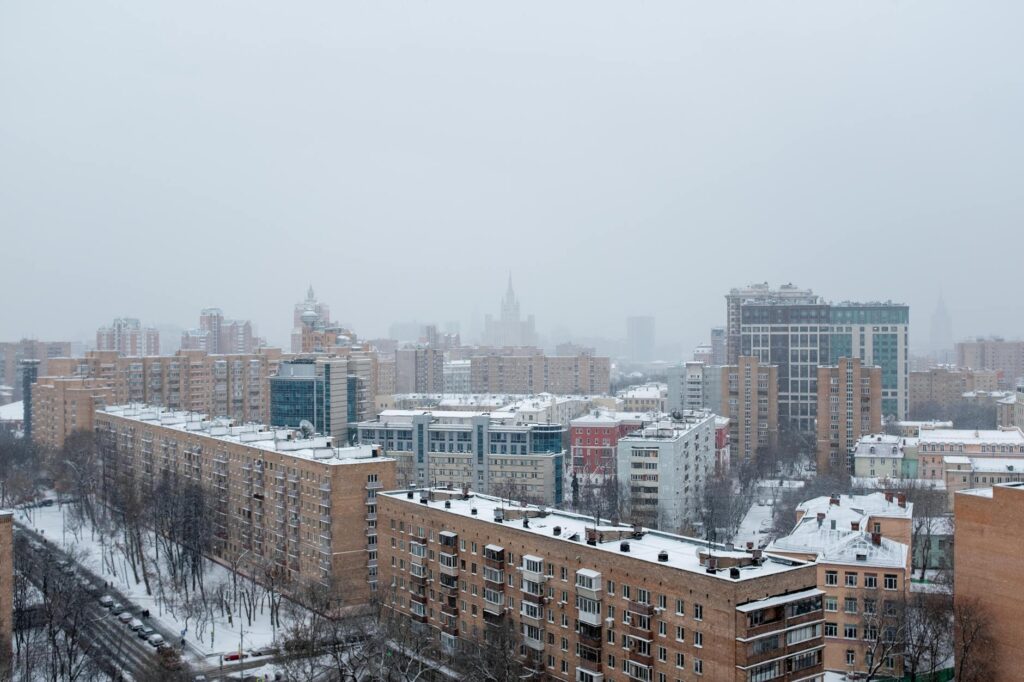

Delhi experienced an unusual cold spell on Monday, with temperatures dipping lower than several popular hill stations in northern India, according to the India Meteorological Department (IMD). While residents of the capital braced for crisp mornings and chilly evenings, tourists in the hills expected the typical winter chill. The reversal of the usual temperature hierarchy sparked conversations on social media, with many questioning the causes behind such a sudden dip. This article delves into the data released by IMD, examines the impact on daily life in Delhi, compares the figures with those of nearby hill stations, and outlines what the forecast holds for the coming days.
A surprising cold snap
Monday’s minimum temperature in Delhi fell to 8°C, a figure more commonly recorded in the foothills of the Himalayas during winter. The city, which usually enjoys a milder winter baseline of around 12‑14°C, saw its mercury dip by four to six degrees compared to the previous week. Residents reported the need for extra layers, and the Delhi Metro reported a slight increase in commuter complaints about cold air conditioning.
IMD’s data reveals the dip
The IMD’s official bulletin highlighted that the cold front moving from the northwest brought dense fog and a drop in temperature across the Indo‑Gangetic plains. The department’s real‑time monitoring stations recorded the following figures for Monday (13 January 2026):
| Location | Max (°C) | Min (°C) |
|---|---|---|
| Delhi | 13 | 8 |
| Shimla | 11 | 5 |
| Mussoorie | 12 | 6 |
Noticeably, Delhi’s minimum was higher than Shimla’s but lower than Mussoorie’s, illustrating how the cold front flattened the typical temperature gradient.
Impact on daily life in the capital
- Health alerts: Local hospitals reported a modest rise in cases of cold‑related ailments, especially among the elderly.
- Transportation: Fog reduced visibility on major highways, prompting the Delhi Traffic Police to issue advisories for drivers.
- Energy consumption: Power demand for heating surged by roughly 7 % according to the Delhi Electricity Board.
Businesses adapted by offering hot beverages at workplaces, and schools extended the morning break to allow students to warm up.
Comparative chill: Delhi vs hill stations
Historically, hill stations such as Shimla and Mussoorie serve as cool retreats during the scorching Indian summer. However, the recent data shows that a strong cold wave can temporarily invert this relationship. While Delhi’s urban heat island effect usually keeps it warmer, the convergence of a high‑pressure system and clear skies accelerated nocturnal cooling, making the capital feel as brisk as the foothills.
Looking ahead: forecasts and preparedness
The IMD forecasts a gradual warming trend over the next three days, with Delhi’s minimum expected to climb back to around 11 °C. Nevertheless, meteorologists advise citizens to stay vigilant, as another cold front could approach later in the week. Authorities are urged to maintain fog‑related traffic alerts and to ensure that vulnerable populations receive timely health advisories.
In summary, Monday’s unexpected chill highlighted the dynamic nature of India’s winter weather, underscored the importance of real‑time monitoring by agencies like the IMD, and reminded residents of Delhi that even the capital can experience hill‑station‑like cold under the right atmospheric conditions.
Image by: Arthur Shuraev
https://www.pexels.com/@arthur-shuraev-67501761